

Small Ship Antarctic Cruises: The Complete 2026 Expedition Guide
For travelers seeking the most immersive way to explore the White Continent, small ship Antarctic cruises offer an experience that large cruise liners simply cannot match. Antarctica is not a destination designed for crowds, shopping districts, or massive floating resorts. It is a remote wilderness where flexibility, access, and close interaction with nature matter far more than giant entertainment venues or oversized ships.
That is why Antarctica small vessel cruises have become increasingly popular in 2026. More travelers are prioritizing authentic exploration, meaningful wildlife encounters, and expedition-focused experiences over traditional cruise tourism.
Small expedition ships provide something larger vessels often cannot: the feeling that you are truly part of the Antarctic environment rather than simply observing it from afar.
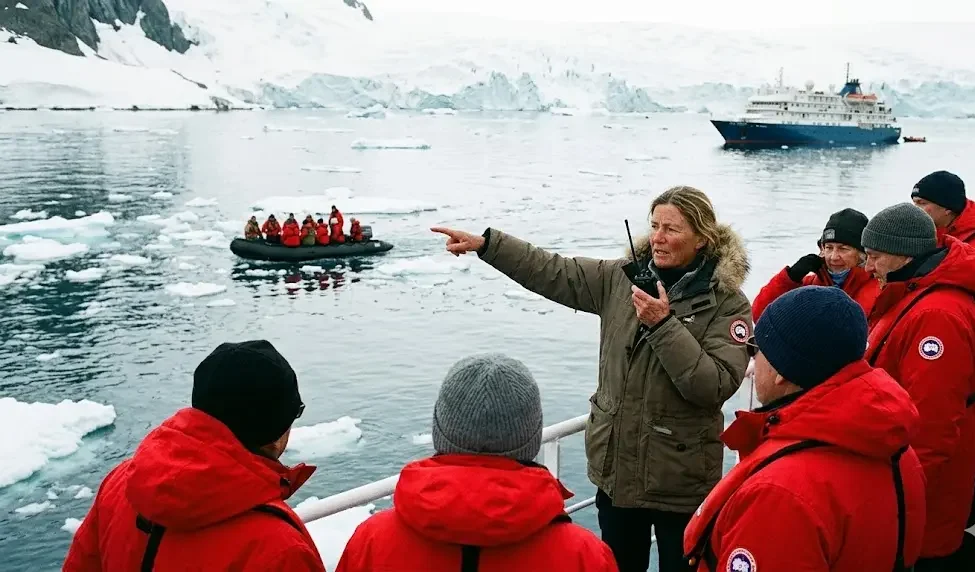
Instead of spending hours waiting in line for shore landings, guests on Antarctica boutique cruises enjoy faster Zodiac operations, more time on land, deeper exploration opportunities, and access to remote areas inaccessible to larger ships.
Whether your dream is photographing whales beside icebergs, kayaking through polar bays, standing among thousands of penguins, or simply experiencing Antarctica in a quieter and more personal way, small ship Antarctic cruises are widely considered the best way to experience the frozen south.
Why Choose Small Ship Antarctic Cruises?
The Advantage of Smaller Expedition Vessels
The biggest advantage of Antarctica small vessel cruises comes down to one critical factor: access.
Antarctica tourism is strictly regulated under guidelines established by the International Association of Antarctica Tour Operators (IAATO). These rules are designed to protect the continent’s fragile ecosystem and wildlife.
One of the most important regulations states:
- Only 100 passengers may be onshore at any one time.
This creates a major difference between small expedition ships and large cruise liners.
More Time Exploring, Less Time Waiting
The IAATO Passenger Advantage
Large cruise ships carrying 500 to 1,000 passengers face major logistical limitations in Antarctica.
Because only 100 passengers can land at a time, travelers on larger vessels often experience:
- Long waiting periods
- Shorter shore excursions
- Limited landing opportunities
- More crowded experiences
On small ship Antarctic cruises, which typically carry between 70 and 190 passengers, nearly all guests can often disembark simultaneously.
This means:
- More time onshore
- More Zodiac excursions
- Better wildlife encounters
- Greater flexibility
- A more intimate expedition atmosphere
Instead of viewing penguins from a distant balcony, travelers spend meaningful time walking through active colonies, photographing wildlife up close, and exploring Antarctica directly.
Access to Remote Antarctic Locations
Small Ships Go Where Large Ships Cannot
Another major advantage of Antarctica boutique cruises is navigational access.
Smaller expedition ships feature:
- Shallower drafts
- Greater maneuverability
- Enhanced ice navigation capabilities
This allows captains to explore:
- Narrow fjords
- Remote bays
- Tight glacier channels
- Ice-filled waterways
- Hidden landing sites
Larger cruise ships are often restricted to broader open-water routes and more limited sightseeing areas.
Small ship Antarctic cruises can venture deeper into the landscape itself.
This creates opportunities for:
- Closer glacier viewing
- More secluded wildlife encounters
- Better photography conditions
- Less crowded landing sites
- A stronger sense of exploration
A More Personal Expedition Experience
Antarctica Feels More Intimate
One of the defining characteristics of Antarctica intimate cruises is the atmosphere onboard.
Smaller ships naturally create a more connected expedition environment.
Passengers often develop close relationships with:
- Expedition guides
- Naturalists
- Photographers
- Scientists
- Fellow travelers
Unlike large commercial cruise ships where guests may rarely interact with the expedition staff, small ship expeditions encourage direct engagement and shared exploration.
The experience feels less like mass tourism and more like joining a true polar expedition team.
The Journey Begins in Ushuaia
Antarctica’s Gateway City
Most Antarctica expedition travel begins in Ushuaia, Argentina, often called the “End of the World.”
Located at the southern tip of South America, Ushuaia serves as the primary departure point for Antarctic voyages.
Surrounded by snow-covered mountains and the Beagle Channel, the city itself feels like the beginning of an adventure.
Before boarding their expedition ship, many travelers explore:
- Tierra del Fuego National Park
- The Beagle Channel
- Patagonian landscapes
- Maritime museums
- Local seafood restaurants
The excitement in Ushuaia is unique. Travelers from around the world gather here with a shared goal: reaching the most remote continent on Earth.
Crossing the Drake Passage
A Legendary Ocean Journey
After departing Ushuaia, expedition ships begin crossing the Drake Passage, one of the world’s most famous stretches of ocean.
The Drake Passage separates South America from Antarctica and connects the:
- Atlantic Ocean
- Pacific Ocean
- Southern Ocean
This region is known for unpredictable seas and powerful currents.
Travelers often hear two famous terms:
- The Drake Shake — rough, dramatic seas
- The Drake Lake — calm and smooth conditions
Every crossing is different.
Modern Small Ships and Comfort at Sea
Advanced Stabilization Technology
While the Drake Passage has a legendary reputation, modern Antarctica small vessel cruises are far more comfortable than earlier expedition voyages.
Today’s expedition ships feature:
- Advanced stabilizers
- Ice-strengthened hulls
- Improved navigation systems
- Modern cabin designs
- Enhanced safety technology
These upgrades significantly improve passenger comfort even during rough conditions.
For many travelers, crossing the Drake becomes an important psychological transition — leaving the familiar world behind and entering the true wilderness of Antarctica.
Crossing the Antarctic Convergence
Entering the Polar Realm
During the voyage south, ships eventually cross the Antarctic Convergence, a natural boundary where cold Antarctic waters collide with warmer northern seas.
This crossing marks a dramatic environmental shift.
Travelers often notice:
- Colder air temperatures
- Increased seabird activity
- Foggy horizons
- Larger icebergs appearing in the distance
The first sight of Antarctic ice is unforgettable.
Many expedition veterans describe this moment as the true beginning of the journey.
Exploring the Antarctic Peninsula
The Heart of Antarctica Expedition Travel
The Antarctic Peninsula is the centerpiece of most small ship Antarctic cruises.
This spectacular region combines:
- Jagged mountain peaks
- Massive glaciers
- Ice-filled channels
- Penguin colonies
- Whale-rich waters
Because small ships can maneuver more easily through narrow waterways, they often provide exceptional access to scenic areas larger ships cannot safely enter.
Famous Antarctic Peninsula Destinations
Neko Harbour
One of the few places where travelers can stand directly on the Antarctic continent.
Known for:
- Massive glaciers
- Gentoo Penguins
- Stunning mountain scenery
Paradise Bay
Famous for calm reflective waters and incredible whale sightings.
Perfect for:
- Zodiac cruising
- Photography
- Scenic glacier viewing
Lemaire Channel
Nicknamed the “Kodak Gap,” this narrow passage is surrounded by towering cliffs and drifting icebergs.
It is widely considered one of Antarctica’s most breathtaking waterways.
Exploring the South Shetland Islands
Antarctica’s Wild Volcanic Frontier
Most Antarctica cruise tours also include the South Shetland Islands.
Located north of the Antarctic Peninsula, these islands feature:
- Volcanic landscapes
- Abundant wildlife
- Historic exploration sites
- Massive seabird colonies
Deception Island
A Volcanic Caldera in Antarctica
Deception Island is one of the most unique destinations in the Antarctic region.
This partially flooded volcanic crater contains:
- Black sand beaches
- Steam vents
- Abandoned whaling stations
- Historic research buildings
The dramatic contrast between volcanic terrain and surrounding snow creates an unforgettable landscape.
Flexible Itineraries: The Hallmark of Small Ship Cruises
Following Wildlife and Weather
One of the greatest strengths of small ship Antarctic cruises is flexibility.
Unlike large cruise liners operating on rigid schedules, small expedition vessels can adapt quickly to changing conditions.
If the expedition team spots:
- Feeding whales
- Orca pods
- Exceptional weather conditions
- Rare wildlife activity
- Perfect iceberg lighting
the captain can often alter plans immediately.
This flexibility creates spontaneous experiences that define high-end Antarctic cruises.
Some of the best expedition moments happen unexpectedly.
Zodiac Excursions: The Core of Polar Exploration
Exploring Antarctica Up Close
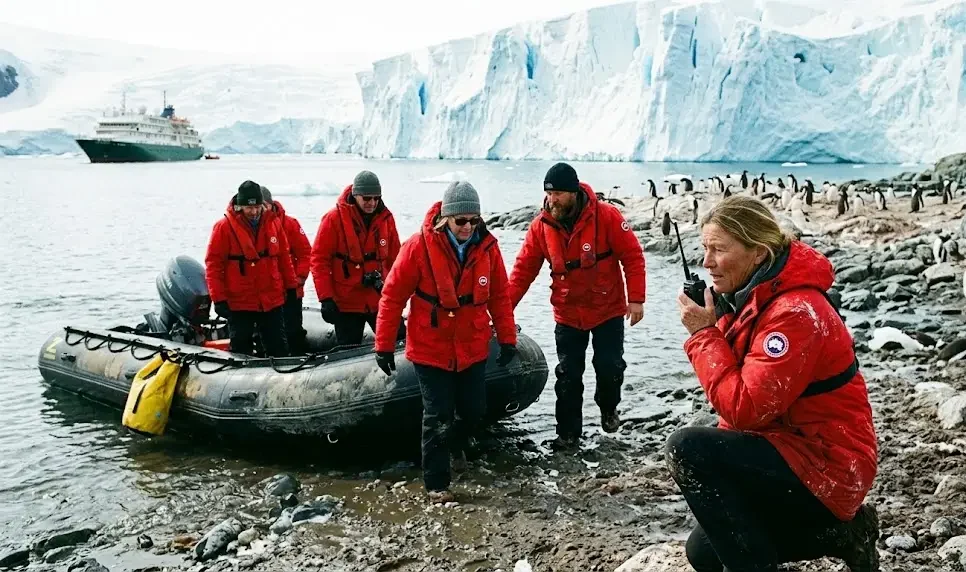
Zodiac boats are central to Antarctica expedition travel.
These inflatable expedition craft allow guests to:
- Land on remote beaches
- Cruise through iceberg fields
- Approach wildlife safely
- Explore glacier-filled bays
- Reach inaccessible shorelines
Because small ship expeditions operate fewer passengers, Zodiac operations are typically faster and more efficient.
This means more time spent exploring and less time waiting.
Wildlife Encounters on Small Ship Antarctic Cruises
Antarctica’s Extraordinary Animal Life
Wildlife is one of the biggest reasons travelers choose Antarctica intimate cruises.
The Southern Ocean’s nutrient-rich waters support enormous biodiversity.
Penguins
Antarctica’s Most Famous Residents
Travelers commonly encounter:
- Gentoo Penguins
- Chinstrap Penguins
- Adélie Penguins
Depending on the itinerary, longer voyages may also visit:
- King Penguin colonies in South Georgia
- Rare Emperor Penguin regions
Watching thousands of penguins move across snowy landscapes is one of Antarctica’s defining experiences.
Whale Watching
Peak Marine Wildlife Experiences
Small ship Antarctic cruises provide exceptional whale watching opportunities because expedition leaders can reposition quickly when whales are spotted.
Common sightings include:
- Humpback Whales
- Minke Whales
- Orcas
- Fin Whales
February and March are especially famous for whale activity.
Seals and Marine Predators
Antarctica’s Powerful Wildlife
Travelers may also encounter:
- Leopard Seals
- Weddell Seals
- Crabeater Seals
- Elephant Seals
Leopard Seals are particularly fascinating due to their role as Antarctica’s apex shoreline predators.
Boutique Luxury Meets Expedition Adventure
Modern Polar Comfort
Today’s Antarctica boutique cruises combine exploration with surprisingly high levels of comfort.
Modern luxury expedition ships may include:
- Heated outdoor pools
- Fine dining restaurants
- Observation lounges
- Panoramic saunas
- Fitness centers
- Spa facilities
- Spacious suites
After a day spent navigating icy bays or photographing penguins, travelers return to warm, comfortable ships designed specifically for polar environments.
Educational Experiences Onboard
Learning From Polar Experts
Antarctica cruise tours are designed not only for sightseeing but also for education.
Most ships include onboard experts such as:
- Marine biologists
- Glaciologists
- Historians
- Wildlife photographers
- Polar researchers
Nightly lectures help travelers better understand:
- Antarctic ecosystems
- Wildlife behavior
- Climate science
- Exploration history
- Glacial geology
This educational component transforms the voyage into a deeper and more meaningful experience.
Sustainability and Responsible Polar Travel
Protecting Antarctica’s Future
Sustainability has become a major focus for Antarctica small vessel cruises in 2026.
Many expedition operators now invest heavily in:
- Hybrid-electric engines
- Reduced emissions technology
- Waste reduction systems
- Advanced fuel efficiency
- Responsible wildlife practices
Smaller ships also generally produce a lower environmental impact than massive cruise liners.
Protecting Antarctica’s fragile ecosystem is essential to ensuring future generations can experience its beauty.
Choosing the Right Small Ship Antarctica Cruise
Finding the Best Expedition for Your Travel Style
Not all Antarctica cruise tours are identical.
Some focus on:
- Photography
- Wildlife
- Kayaking
- Citizen science
- Luxury travel
- Adventure activities
Others emphasize deeper exploration through:
- Polar Circle crossings
- South Georgia itineraries
- Weddell Sea expeditions
Choosing the right expedition depends on your goals, budget, and travel style.
Final Thoughts: Why Small Ships Offer the Best Antarctica Experience
Antarctica is one of the few places on Earth where smaller truly is better.
Small ship Antarctic cruises provide:
- More time onshore
- Better wildlife encounters
- Greater flexibility
- Access to remote areas
- More intimate exploration
- A deeper connection to the environment
Instead of simply observing Antarctica from a distance, travelers become active participants in the expedition itself.
Every Zodiac ride, whale encounter, glacier landing, and penguin colony visit feels personal, immersive, and unforgettable.
For many travelers, Antarctica becomes more than just a destination — it becomes one of the most transformative experiences of their lives.
Ready to begin your journey south? Explore our Antarctic Cruises main guide to compare 2026 small ship expeditions, luxury boutique voyages, wildlife itineraries, and adventure-focused Antarctica cruise packages today.