If you are planning an African adventure, one of the most common—and most important—questions you will ask is: When is the best time to visit Tanzania?
Unlike destinations with four distinct seasons, Tanzania’s climate is dictated by a dry season and two rainy seasons. However, the “best” time is not a one-size-fits-all answer. Your ideal travel window depends entirely on what you want to experience. Are you determined to witness millions of wildebeest crossing the Mara River? Do you want to see predator action during the calving season? Or are you a photographer looking for lush green landscapes, newborn animals, and fewer tourist vehicles?
Tanzania is a year-round destination, but the country transforms dramatically from month to month. Wildlife migrations shift, water sources dry up or flood, and the concentration of both animals and tourists fluctuates wildly.
In this comprehensive guide, we will break down Tanzania’s weather patterns, detail exactly where the Great Migration is throughout the year, and provide a month-by-month breakdown so you can perfectly time your dream safari.
Understanding Tanzania’s Seasons
Tanzania sits just south of the equator, meaning temperatures are relatively consistent year-round (though the highlands and the rim of the Ngorongoro Crater can get surprisingly cold at night). Instead of winter and summer, the safari calendar revolves around the rains.
The Dry Season (June to October)
This is universally considered the peak season for a Tanzania safari.
- The Landscape: The bush dries out, the grass turns yellow and short, and water sources become scarce.
- The Wildlife: Because water is limited, animals are forced to congregate around the remaining permanent rivers and waterholes, making them incredibly easy to spot. The thin vegetation also makes it much easier to track predators.
- The Vibe: Expect sunny, clear skies, minimal humidity, and almost no mosquitoes. However, this is also when the parks are the most crowded and lodge prices are at their highest.
The Short Rains (November to December)
Known as vuli, this shoulder season brings brief, unpredictable showers.
- The Landscape: The dry, dusty plains begin to turn green again, clearing the air of dust and creating spectacular lighting for photography.
- The Wildlife: Wildlife viewing remains excellent, particularly in the northern parks. This is also a fantastic time for bird watching as migratory species arrive from Europe and North Africa.
- The Vibe: The heavy crowds of August and September have departed, and you can often find lower rates at lodges before the Christmas holiday rush.
The Short Dry Season (January to February)
A brief respite between the rains, this period is a hidden gem in the safari calendar.
- The Landscape: The plains are lush and green, but the skies are generally clear.
- The Wildlife: This is the famous calving season in the southern Serengeti (Ndutu region). Hundreds of thousands of wildebeest drop their young within a three-week window, which naturally attracts massive numbers of lions, cheetahs, and leopards. If you want to see predator-prey interaction, this is the time to go.
- The Vibe: Popular but not quite as chaotic as July and August.
The Long Rains (March to May)
Known as masika, these are the heaviest rains of the year.
- The Landscape: The parks turn into a vibrant, emerald-green paradise.
- The Wildlife: Animals disperse across the plains because water is everywhere, making them slightly harder to find in the tall grass.
- The Vibe: It rains almost every day (often heavy afternoon downpours rather than all-day drizzle). Some remote mobile camps close down entirely because the black cotton soil roads become impassable. However, if you are a budget-conscious traveler or a repeat visitor who hates crowds, the “Green Season” offers massive discounts and the luxury of having the Serengeti almost entirely to yourself.
Ready to explore your options? Check out our complete guide to Safari in Tanzania to see how itineraries shift by season.
The Great Wildebeest Migration Calendar
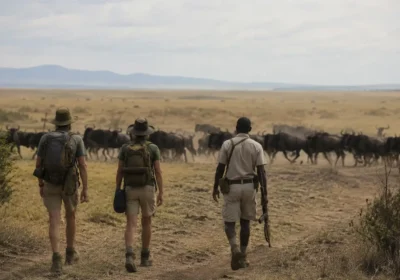
For many travelers, the best time to visit Tanzania is dictated entirely by the Great Migration. Over two million wildebeest, zebras, and gazelles travel in a continuous clockwise loop between Tanzania’s Serengeti and Kenya’s Masai Mara in search of fresh grass and water.
Here is where the herds generally are throughout the year (though remember, the animals follow the rain, not a calendar, so timing can vary slightly):
January, February, and March: The Calving Season
The herds congregate in the short-grass plains of the southern Serengeti and the Ngorongoro Conservation Area (specifically around Lake Ndutu). Between late January and February, approximately 500,000 calves are born. This abundance of vulnerable prey brings out the big cats, making for dramatic game viewing.
April and May: The Trek North
As the plains in the south become depleted and the long rains begin, the herds form massive columns and begin their grueling trek northwest, moving through the central Serengeti (Seronera region) toward the Western Corridor.
June and July: The Western Corridor and Grumeti River
By June, the migration reaches the Grumeti River in the Western Serengeti. This is the first major obstacle for the herds. While the Grumeti isn’t as dramatic as the Mara River crossings later in the year, watching the animals brave the crocodile-infested waters is still an incredible sight.
August, September, and October: The Mara River Crossings
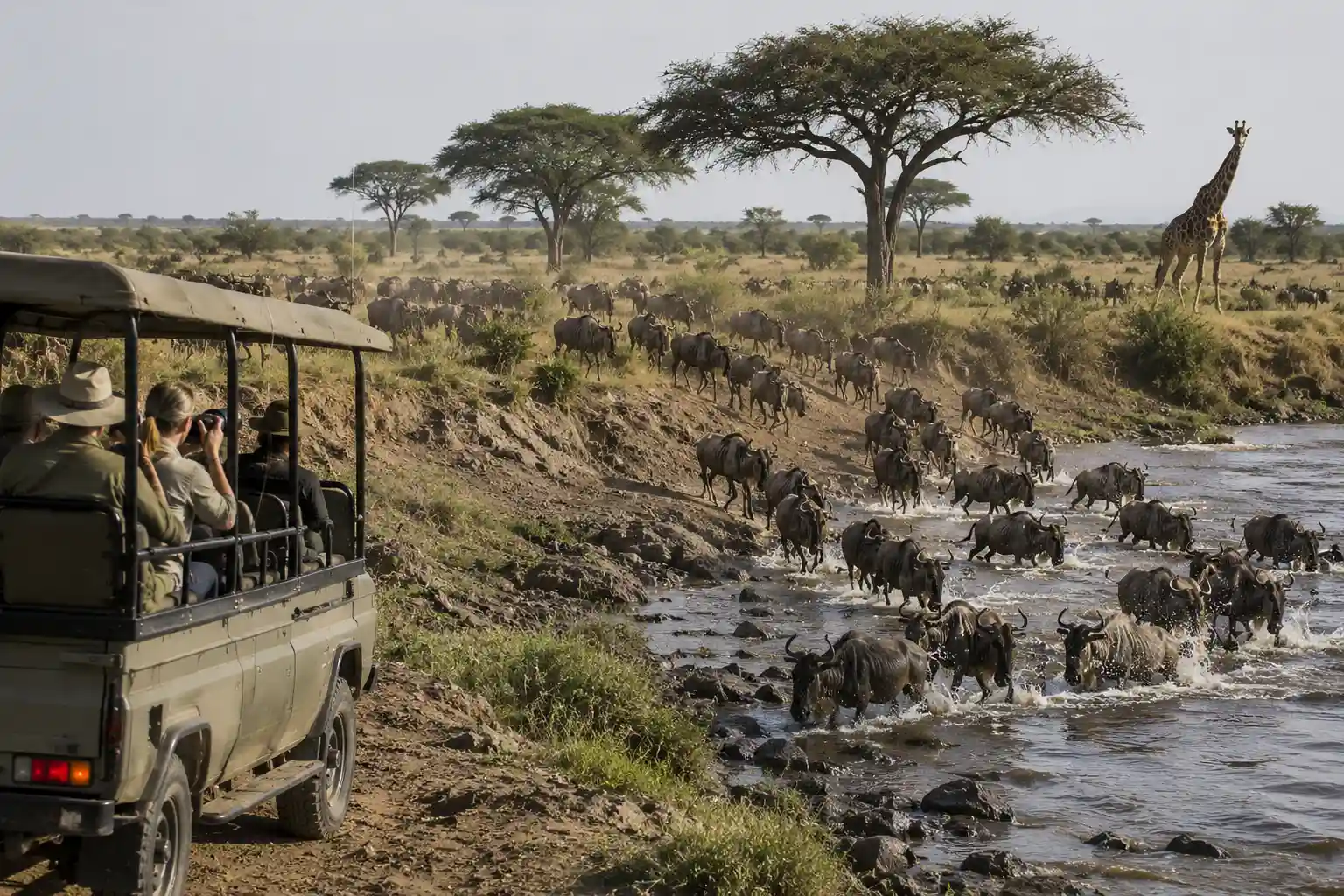
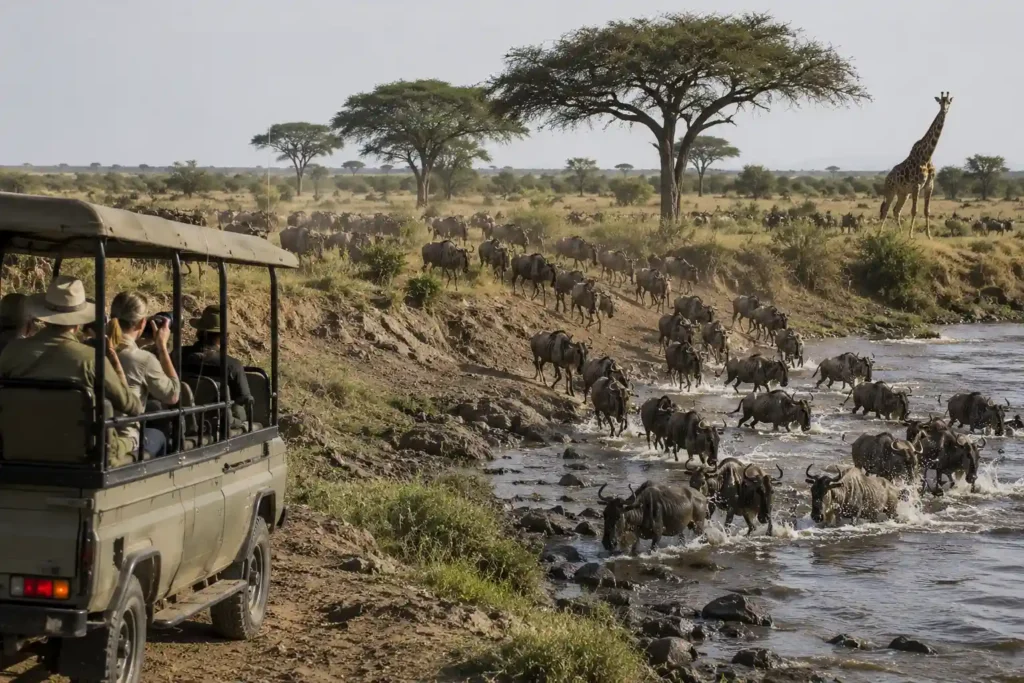
This is what most people picture when they think of the Great Migration. The herds have reached the northernmost edge of the Serengeti and must cross the raging Mara River to enter Kenya’s Masai Mara. The river crossings are chaotic, heartbreaking, and thrilling. If this is on your bucket list, you need to book your northern Serengeti lodges a year in advance.
Want to witness the crossings? We recommend booking our specialized 8-Day Northern Serengeti Migration Safari.
November and December: The Journey South
As the short rains begin in November, the fresh grass pulls the herds back south, moving quickly down the eastern side of the Serengeti to return to the Ndutu plains to start the cycle all over again.
Month-by-Month Tanzania Travel Guide
If you are trying to narrow down your travel dates, here is a quick cheat sheet for what to expect during each month.
January
- Weather: Warm days, mild nights, occasional light rain.
- Highlights: The herds arrive in the Ndutu region. Excellent time for birdwatching.
- Verdict: Fantastic. High predator action and beautiful green landscapes.
February
- Weather: Hot and generally dry.
- Highlights: Peak calving season. You are almost guaranteed to see a kill if you spend enough time in the southern plains.
- Verdict: One of the absolute best months to visit, though you should expect higher prices and crowds around Ndutu.
March
- Weather: The transition month. It gets increasingly humid, and the heavy long rains begin toward the end of the month.
- Highlights: The herds begin to get restless and prepare to move north.
- Verdict: A good time to go early in the month before the heavy rains hit.
April & May
- Weather: Heavy, consistent rainfall. High humidity.
- Highlights: Stunning, lush scenery. Newborn wildlife is everywhere.
- Verdict: The low season. If you want absolute solitude, love photography, and don’t mind getting wet or dealing with muddy roads, you can score incredible deals. Many luxury lodges drop their rates by 30-40%.
June
- Weather: The rains stop. The landscape begins to dry out, and the temperatures drop (especially at night).
- Highlights: The migration is in the Western Corridor. Animals are easy to spot as the grass starts dying back.
- Verdict: The start of the peak season. A beautiful time to visit before the dust and heavy crowds of August arrive.
July
- Weather: Cool, dry, and clear. Bring a warm jacket for morning game drives!
- Highlights: The first major river crossings begin in the north. The central Serengeti is packed with resident big cats.
- Verdict: Perfect safari weather, but you will pay peak season prices.
August
- Weather: Very dry. It can get quite dusty on the trails.
- Highlights: The absolute peak time for Mara River crossings.
- Verdict: Arguably the most popular month of the year. You must book far in advance. Explore our Best Safari Tours to secure top-tier guides for the busy season.
September
Weather: Dry and warming up. Dust is prominent.
- Highlights: The herds are split between the northern Serengeti and the Masai Mara. River crossings are still highly likely. Elephant herds gather in massive numbers around the Tarangire River.
- Verdict: An exceptional time for wildlife viewing.
October
- Weather: The dry season peaks. Water is scarce, making wildlife incredibly concentrated around remaining water sources.
- Highlights: Phenomenal game viewing in Tarangire National Park and the central Serengeti.
- Verdict: Great if you want guaranteed animal sightings, but the landscape can look a bit stark and burnt.
November
Weather: The short rains begin, breaking the heat and clearing the dust from the air.
Highlights: The migration moves south rapidly. Excellent photographic lighting.
Verdict: A great shoulder-season month. You get the benefits of lower prices and fewer crowds while still enjoying fantastic game viewing.
December
Weather: Intermittent rain, warm temperatures.
Highlights: The landscape is greening up. The herds are arriving back in the south.
Verdict: Very busy during the Christmas and New Year holiday weeks, but early December is quiet and beautiful.
Beyond the Serengeti: Timing the Other Parks
While the Serengeti dictates much of the safari calendar, Tanzania offers other spectacular parks that have their own unique seasonal rhythms.
- Tarangire National Park: The absolute best time to visit Tarangire is during the late dry season (August to October). The park’s river becomes a magnet for wildlife, boasting some of the highest concentrations of elephants in the world. Consider adding this to your itinerary with our 6-Day Tarangire & Crater Adventure.
- The Ngorongoro Crater: Because it is an enclosed ecosystem, the wildlife in the crater does not migrate. You can enjoy phenomenal Big Five game viewing here 365 days a year.
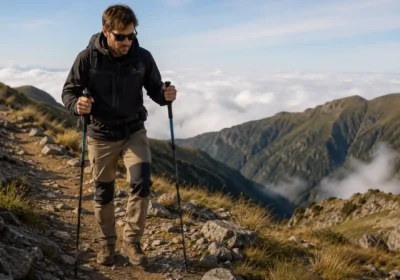
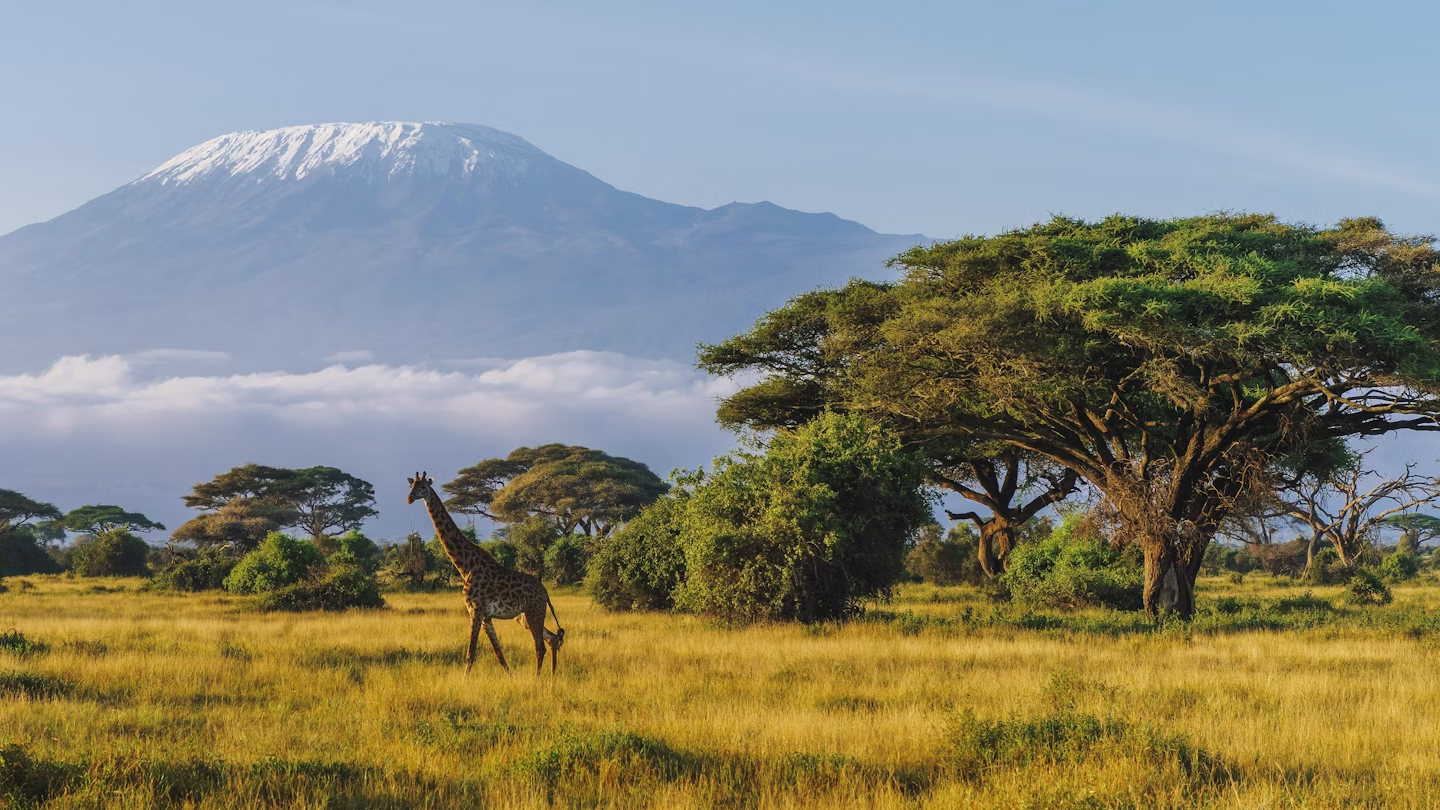
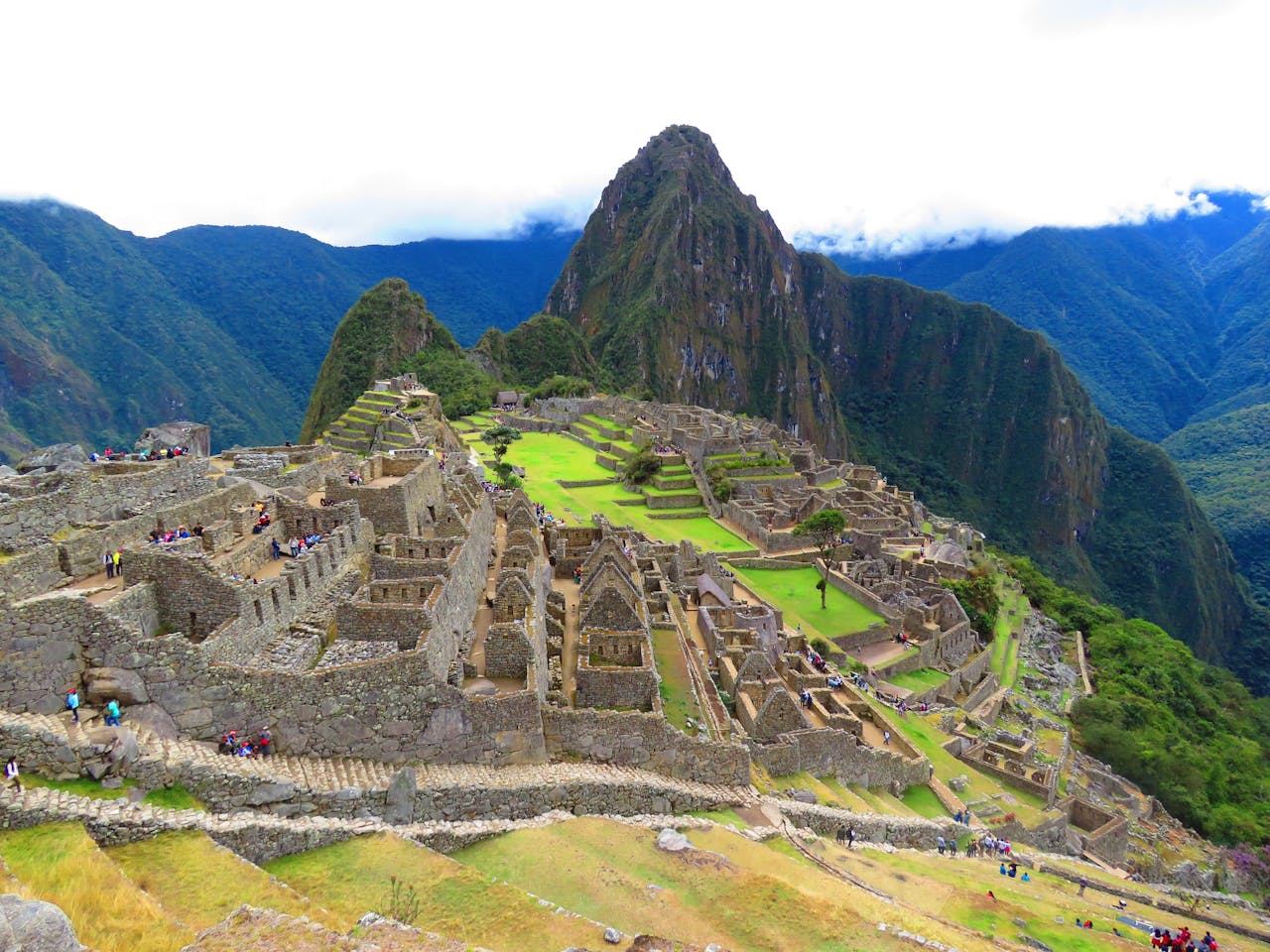
- Mount Kilimanjaro: If you are combining your safari with a trek up Africa’s highest peak, you want to avoid the long rains. The best trekking windows are January-March (colder but clearer) and June-October (busier but milder). For more details on budgeting for mountain climbs, see our guide on How to prepare for trekking / Peru Trekking Cost.
The Verdict: When Should You Go?
Ultimately, the best time to visit Tanzania depends on your priorities:
- For the River Crossings: July to September in the Northern Serengeti.
- For Predator Action and Calving: Late January to February in the Southern Serengeti/Ndutu.
- For Budget Travelers and Photographers: April to May (Green Season) or November (Short Rains).
- For the Best Overall Weather: June to October (Dry Season).
Whenever you decide to travel, Tanzania promises a wildlife experience that will exceed your wildest expectations. Need help aligning your dates with the perfect route? Visit our main Top Safari Destinations or contact the WeGoExplore365 team to start designing your custom 2026/2027 itinerary today.