Let’s be honest: nobody enjoys reading about travel insurance. When you are planning an epic international adventure, you want to spend your evenings looking at photos of luxury safari lodges, researching the best trekking boots, and watching documentaries about the Serengeti. Reading the fine print of an insurance policy is the absolute last thing you want to do.
However, if you are planning to step off the beaten path in 2026, travel insurance is not just a boring administrative task—it is the single most important thing you will pack.
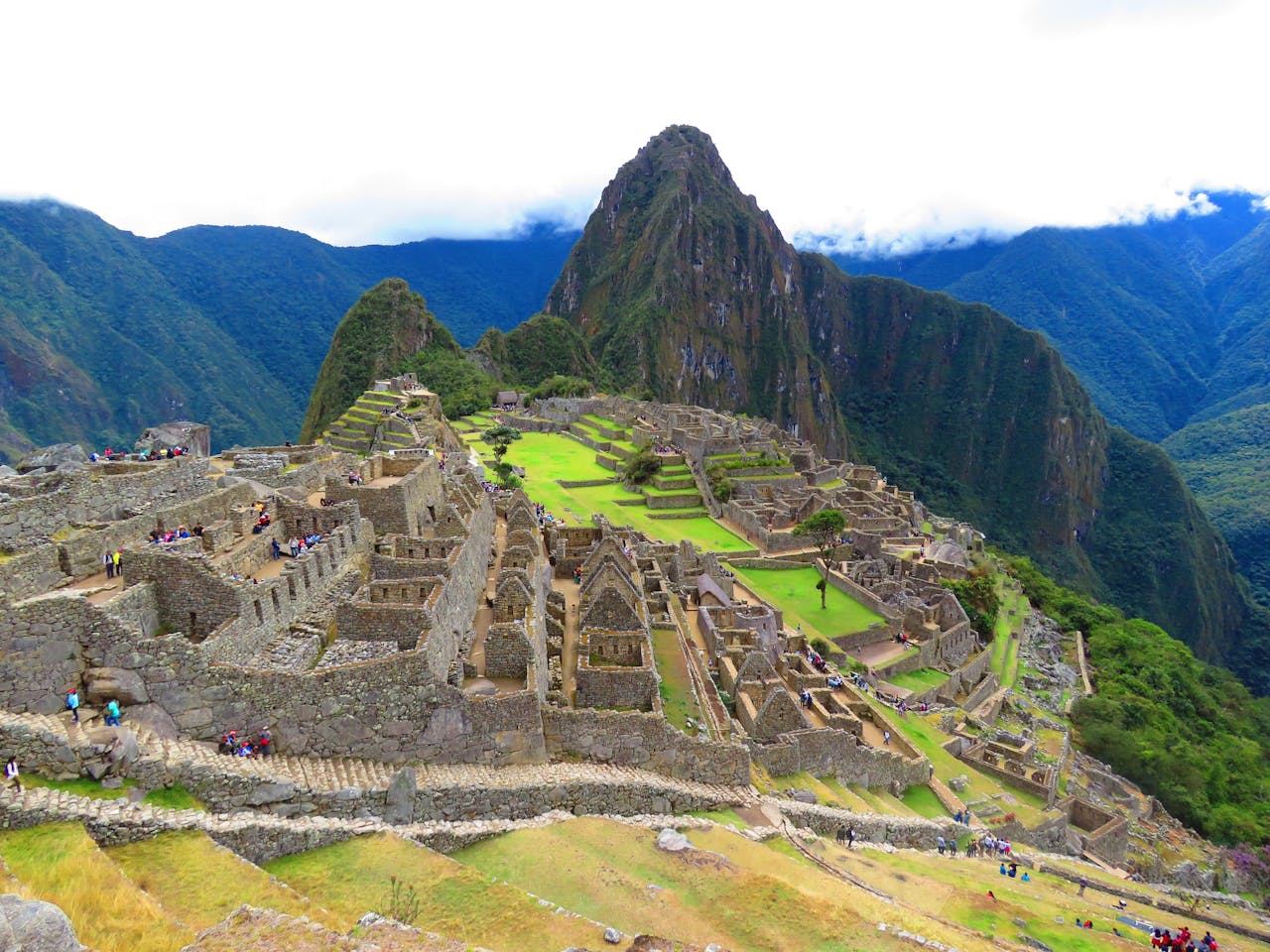
When you are traveling to remote wilderness areas, the stakes are significantly higher than a standard weekend city break. If your luggage gets lost on a trip to Paris, it is an inconvenience; you can buy a new sweater. If your luggage gets lost on the way to climb Mount Kilimanjaro, your entire expedition is in jeopardy. If you sprain an ankle walking down a paved street, you hail a taxi to the local clinic. If you break your leg on day three of the Inca Trail, you require a coordinated, high-altitude helicopter rescue that can cost tens of thousands of dollars.
At WeGoExplore365, we require all of our clients to carry comprehensive travel insurance. In this definitive 2026 travel insurance guide, we will explain exactly why standard policies fail adventure travelers, outline the five non-negotiable coverages you must have, and show you how to buy the right policy for your specific trip.
Why Standard Travel Insurance Fails on Adventures
When you book a flight online, the airline usually prompts you to “Protect your trip for just $29!” before you check out. Many travelers click “yes,” assuming they are fully covered for their upcoming safari or trek.
This is a dangerous assumption.
Those cheap, click-to-add policies are designed for standard leisure travel. They are excellent for reimbursing you if a snowstorm cancels your flight to Florida or if your suitcase goes missing. However, they almost always contain strict “Hazardous Activity Exclusions.”
If you read the fine print of a standard policy, you will find that it explicitly refuses to pay out if you are injured while participating in activities they deem “extreme.” This list almost always includes:
- Mountaineering or trekking above a certain altitude (usually capped at 2,500 meters or 8,200 feet).
- Scuba diving.
- Bungee jumping or skydiving.
- Interacting with wild animals (which can completely void coverage on a safari).
- Mountaineering or trekking above a certain altitude (usually capped at 2,500 meters or 8,200 feet).
- Scuba diving.
- Bungee jumping or skydiving.
- Interacting with wild animals (which can completely void coverage on a safari).
To protect yourself on an active vacation, you must purchase dedicated Adventure Travel Insurance.
The 5 Non-Negotiable Coverages You Need
When comparing adventure travel insurance policies, ignore the marketing fluff and look directly at the Schedule of Benefits. A robust policy for 2026 must include high limits in these five specific categories.
1. Emergency Medical Coverage ($100,000 Minimum)
If you contract a tropical disease, suffer severe food poisoning, or sustain an injury that requires hospitalization, your domestic health insurance will rarely cover you internationally.
- What it does: Pays for your hospital room, doctor’s fees, X-rays, and prescription medications while abroad.
- What to look for: We recommend a minimum of $100,000 in coverage. Furthermore, look for a policy that operates as “Primary” coverage rather than “Secondary.” Primary coverage pays the hospital directly, meaning you don’t have to drain your savings account to pay the bill and fight for reimbursement months later.
2. Medical Evacuation and Repatriation ($500,000 Minimum)
This is the single most important coverage for adventure travelers.
- What it does: If you are critically injured in a remote area where local clinics cannot treat you, this covers the cost to evacuate you to a center of medical excellence (often in a different country). Repatriation covers the cost of flying you all the way back to your home country with a medical escort once you are stabilized.
- What to look for: Because private charter bush flights and helicopter rescues are astronomically expensive, you need a minimum of $500,000 in coverage. Never book a remote wilderness trip without this.
3. Trip Cancellation and Interruption (100% of Trip Cost)
Adventure travel requires significant financial commitment. Safari lodges and trekking permits often must be booked—and fully paid for—months in advance, and they are usually strictly non-refundable.
- What it does: Reimburses your prepaid, non-refundable expenses if you have to cancel the trip before departure due to a covered reason (like a sudden severe illness, the death of a family member, or a natural disaster at your destination).
- Trip Interruption: Reimburses you for the unused portion of your trip if you have to fly home early due to an emergency.
4. Adventure Sports & High-Altitude Inclusion
As mentioned earlier, you must verify that your specific activity is covered.
- What to look for: If you are trekking, you must check the altitude limit on the policy. Many standard adventure policies cover hiking but cap the altitude at 3,000 meters. If you are hiking the Inca Trail (4,215 meters) or climbing Kilimanjaro (5,895 meters), you must buy a specific high-altitude upgrade.
5. Baggage Loss and Gear Delay
Adventure gear is expensive. Your backpack likely contains a $300 down jacket, $250 hiking boots, and a $1,000 camera lens.
- What it does: Reimburses you if your luggage is stolen or permanently lost by the airline.
- Baggage Delay: This is highly practical. If your bags are delayed by 12 to 24 hours, the insurance will reimburse you (usually up to $500) to buy essential replacement gear (like a warm jacket or a toothbrush) so your trek doesn’t have to be postponed.
How to Buy Insurance Based on Your Trip Type
Your destination and activities dictate the type of policy you need. Here is how to tailor your coverage for our most popular destinations.
The Safari Traveler (Tanzania, Kenya, Botswana)
If you are heading out on the savanna, your primary risk is the remoteness of the camps.
- Focus On: Medical Evacuation. Many luxury camps in the Serengeti or the Okavango Delta are only accessible by light aircraft. If you have a medical emergency, you need a policy that will cover a private “flying doctor” charter flight to airlift you to a modern hospital in Nairobi or Johannesburg.
The High-Altitude Trekker (Peru, Nepal, Patagonia)
If you are heading into the mountains, altitude sickness and orthopedic injuries (sprained ankles, blown knees) are your highest risks.
- Focus On: Explicit high-altitude coverage and helicopter rescue. In the Andes and the Himalayas, the only way out of a deep valley in an emergency is via helicopter. Ensure your policy explicitly names “trekking up to 6,000 meters.”
The Best Adventure Travel Insurance Providers for 2026
While WeGoExplore365 cannot legally act as an insurance broker, we consistently see our clients have positive, reliable experiences with the following global providers:
- World Nomads: Arguably the most famous name in adventure travel insurance. Their “Explorer Plan” covers over 200 high-risk activities, including scuba diving, high-altitude trekking, and bungee jumping. They are highly flexible, allowing you to buy or extend coverage even after you have already left home.
- Global Rescue: This is not traditional travel insurance; it is a membership-based medical and security evacuation service. If you are doing extreme remote expeditions, Global Rescue will deploy their own contracted personnel and helicopters to extract you from danger, rather than just reimbursing you later. (Many travelers pair a Global Rescue membership with a basic travel insurance policy for cancellation coverage).
- Tin Leg (Adventure Plan): Frequently top-rated on comparison sites like Squaremouth, Tin Leg’s Adventure plan is incredibly robust, offering high medical limits and covering an extensive list of extreme sports without forcing you to buy expensive upgrades.
- SafetyWing: An excellent, budget-friendly option for digital nomads or long-term travelers who are moving slowly around the globe and doing moderate activities, though they lack coverage for extreme high-altitude mountaineering.
4 Common Mistakes to Avoid When Buying Coverage
Do not let a technicality void your coverage. Avoid these common pitfalls:
- Buying Too Late: The best time to buy travel insurance is within 14 days of making your first trip deposit. Buying early often unlocks a “Pre-Existing Medical Condition Waiver,” meaning the insurance will cover you even if an old injury flares up. It also gives you the option to buy a “Cancel For Any Reason” (CFAR) upgrade.
- Assuming Everything is Covered: Never assume. Read the “Exclusions” section of the policy. For example, if you rent a motorcycle in Southeast Asia but do not have a valid motorcycle license from your home country, any injuries you sustain will be excluded from coverage.
- The Intoxication Clause: Almost all travel insurance policies have an intoxication exclusion. If you have a few too many drinks at the lodge bar, trip on the stairs, and break your wrist, the insurance company can (and will) deny your medical claim if the doctor notes you were under the influence of alcohol.
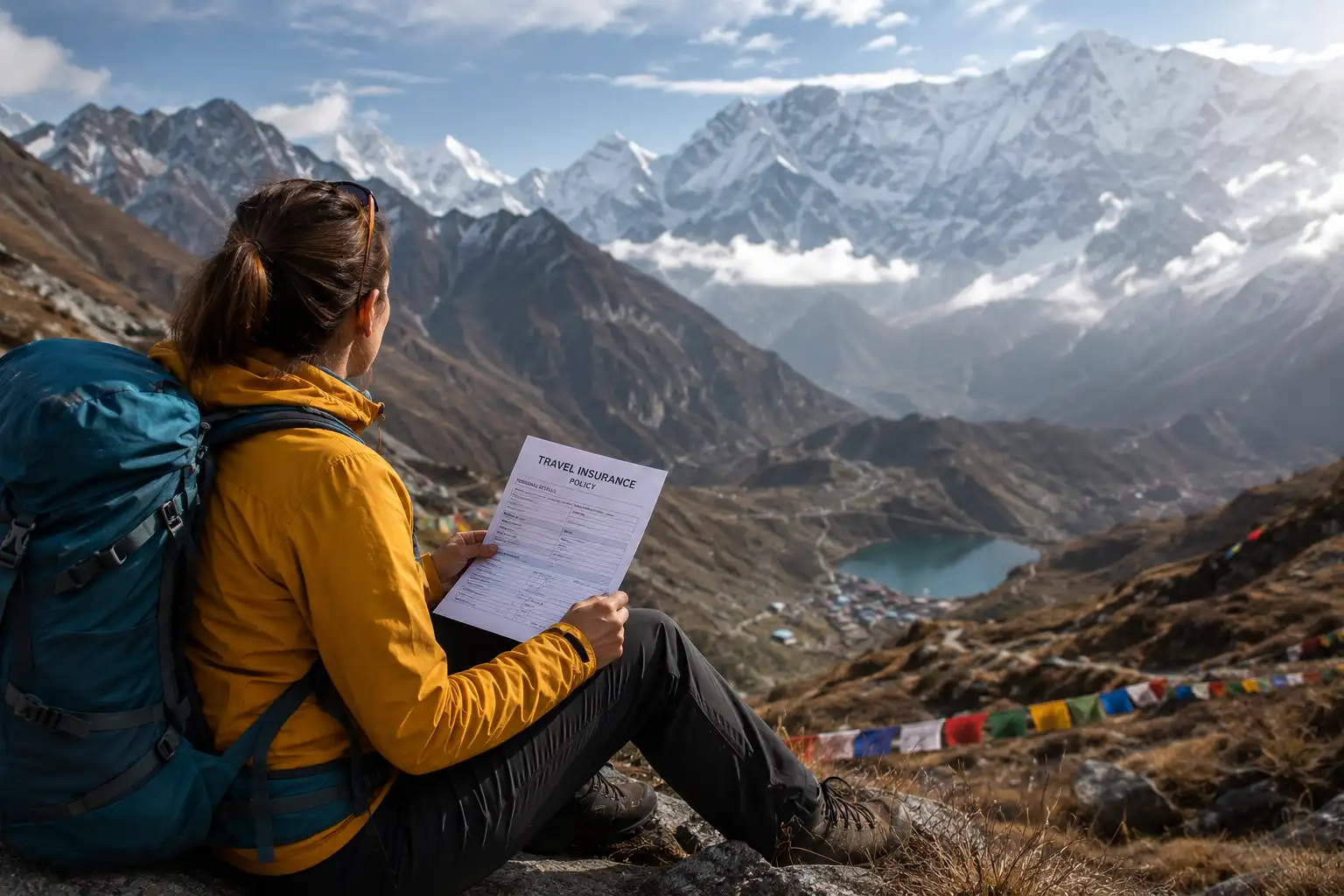
- Not Carrying Printed Proof: When you check in for a guided trek or a remote safari, the operator will almost always demand to see proof of insurance. Do not rely on having it saved on your phone, as you may not have internet access at the trailhead. Always carry a printed copy of your policy certificate and the 24/7 emergency phone number.
Conclusion: An Investment in Peace of Mind
Budgeting an extra $150 to $300 for a travel insurance policy can feel painful when you have already spent thousands on flights and tour packages. But it is the one purchase that guarantees you can actually enjoy those investments.
When you know that your financial investment is protected against sudden cancellations, and you know that a helicopter will come for you if things go wrong in the wilderness, a massive weight lifts off your shoulders. You stop worrying about the “what ifs” and start focusing entirely on the adventure in front of you.
Do not leave your dream trip to chance. Buy the insurance, pack your bags, and travel with confidence.