

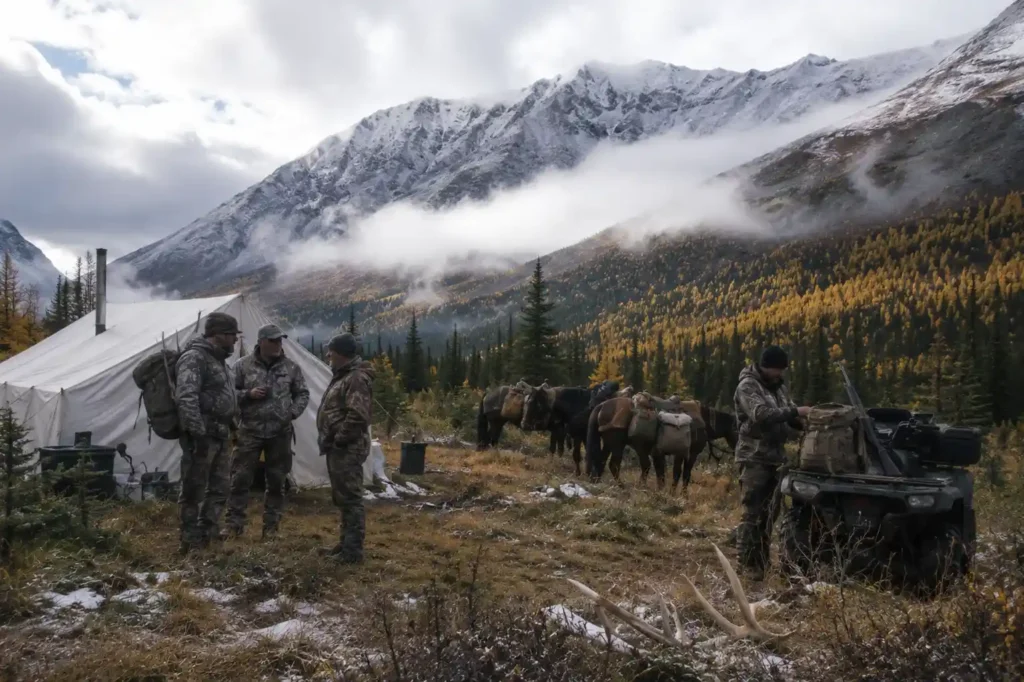
For hunters around the world, Canada represents one of the last truly wild frontiers.
The country’s massive wilderness areas, untouched forests, rugged mountain ranges, and healthy populations of big game animals create opportunities that are increasingly rare in modern hunting destinations. Whether you dream of calling in a giant bull moose in northern Saskatchewan, glassing elk in the mountains of British Columbia, or tracking black bear deep in the boreal forest, Canada delivers an experience that few places on Earth can match.
But hunting in Canada is not as simple as booking a plane ticket and showing up with a rifle.
International travel, outfitter logistics, firearm regulations, tag systems, trophy export paperwork, and wilderness preparation all add layers of complexity and cost to the experience.
For many first-time international hunters, one of the biggest surprises is just how much the total budget can vary depending on the species, region, outfitter quality, and hunting style.
You may see a black bear hunt advertised for $3,500 while a remote mountain sheep expedition exceeds $25,000.
Understanding where that money goes — and which expenses are truly worth paying for — is critical before committing to any hunt in 2026.
In this complete Canada hunting price guide, we break down realistic hunt costs, explain what most outfitters include (and exclude), and share the most important planning tips for preparing your gear, budget, and paperwork before crossing the border.
Why Hunting in Canada Is Expensive
Canada’s hunting industry operates in some of the most remote wilderness environments in North America.
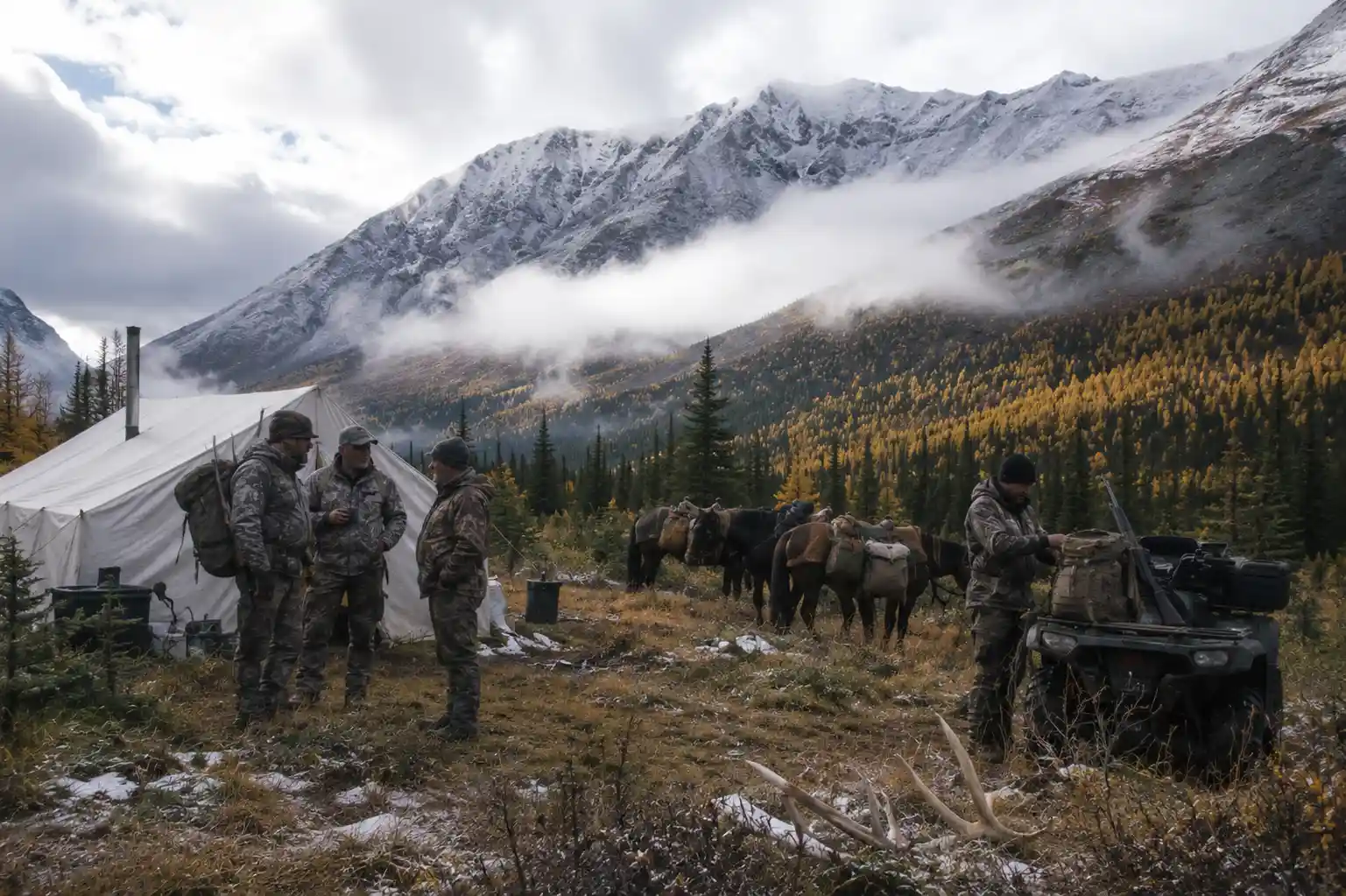
Unlike many lower-48 hunting destinations in the United States, Canadian outfitters often manage camps that are:
- Hours from the nearest town
- Accessible only by bush plane or ATV
- Located in mountainous or swampy terrain
- Operated during harsh weather conditions
Running these operations requires substantial investment.
Outfitters must pay for:
- Fuel transportation
- Camp maintenance
- Professional guides
- Government licenses
- Wildlife management fees
- Remote logistics
- Food and equipment transportation
- Specialized vehicles and boats
Because of these realities, quality Canadian hunts naturally cost more than standard domestic hunting trips.
However, many hunters believe the experience justifies the investment due to:
- Larger wilderness areas
- Lower hunting pressure
- Trophy-quality animals
- More authentic backcountry experiences
Average Hunting Costs in Canada (2026 Estimates)
Most Canadian outfitters price their hunts in U.S. dollars because many clients come from the United States and Europe.
Pricing varies depending on:
- Species
- Province
- Hunt duration
- Accommodation quality
- Hunting style
- Guide ratio
- Remoteness
Below are realistic 2026 pricing estimates for guided 6–8 day hunts.
Black Bear Hunts
Estimated Cost:
$3,500 – $6,500
License and tag fees:
$350 – $500
Black bear hunts are among the most affordable big-game hunts in Canada.
Popular provinces include:
- Saskatchewan
- Ontario
- Manitoba
- Alberta
Many black bear hunts are conducted from baited stands, making them suitable for hunters with moderate physical fitness levels.
Whitetail Deer Hunts
Estimated Cost:
$5,500 – $7,500
License and tag fees:
$350 – $500
Canada is famous for producing giant-bodied whitetails, especially in Saskatchewan and Alberta.
Cold winters and strong genetics contribute to exceptional trophy potential.
Moose Hunts
Estimated Cost:
$8,000 – $17,500+
License and tag fees:
$450 – $900
Moose hunting is one of Canada’s most iconic wilderness experiences.
However, it is also physically demanding and logistically expensive.
Remote fly-in moose hunts can exceed $20,000 depending on exclusivity and location.
Elk Hunts
Estimated Cost:
$7,500 – $12,000
License and tag fees:
$450 – $800
Canadian elk hunts often involve mountain terrain and spot-and-stalk tactics.
British Columbia and Alberta remain premier destinations for trophy elk.
Mountain Sheep Hunts
Estimated Cost:
$20,000 – $40,000+
Mountain sheep hunts deserve separate mention because they are among the most difficult and expensive hunts in the world.
These hunts involve:
- Extreme terrain
- Long horseback approaches
- Backpack camping
- High-altitude hiking
They are physically brutal but represent a bucket-list challenge for many experienced hunters.
Understanding Guide Ratios: 1×1 vs 2×1
One major pricing factor is the guide-to-hunter ratio.
2×1 Hunting
Two hunters share one guide.
Advantages:
- Lower cost
- More affordable entry point
Disadvantages:
- Less personalized attention
- Shared pacing
- Shared opportunities
1×1 Hunting
One hunter receives a dedicated guide.
Advantages:
- Better flexibility
- More focused attention
- Increased hunting efficiency
Disadvantages:
- Significantly more expensive
Upgrading from a 2×1 hunt to a 1×1 experience often adds $2,500–$5,000 or more.
For highly competitive species like sheep or trophy elk, many hunters prefer 1×1 guiding for the increased efficiency.
Combo Hunts: Better Overall Value
Many Canadian outfitters offer combination hunts.
Examples include:
- Moose + Black Bear
- Elk + Deer
- Bear + Wolf
Combo packages usually provide better value because the outfitter already has you in camp.
Instead of paying full-price for two separate hunts, you may only pay an additional trophy fee for the secondary species.
Typical combo upgrade costs:
$1,000 – $3,000
For hunters traveling internationally, combo hunts often maximize the overall experience and justify the travel investment.
What Most Hunting Packages Include
Many hunters assume outfitter pricing covers every expense.
That is rarely true.
Most standard Canadian hunting packages typically include:
- Professional guide service
- Camp lodging
- Meals during the hunt
- Ground transportation within the hunting area
- Field dressing and skinning
- Trophy preparation for transport
Higher-end camps may also include:
- Airport pickups
- Alcohol
- Wi-Fi access
- Satellite communication
- Daily laundry service
Always confirm package details before booking.
What Hunting Packages Usually DO NOT Include
This is where many hunters underestimate total costs.
Hunting Licenses and Tags
These are usually purchased separately.
Costs vary by province and species.
Government Sales Tax (GST)
Most provinces charge approximately 5% GST on hunt costs.
This alone can add hundreds or thousands to your final bill.
Gratuities
Tipping is standard in the outfitting industry.
Typical recommendations:
- Guide: 10–15%
- Camp staff: Additional gratuity
For a $10,000 hunt, gratuities may exceed $1,000.
Meat Processing
Most outfitters handle field dressing only.
They do not typically:
- Process meat
- Vacuum seal
- Freeze
- Package for shipping
You may need a local butcher or meat processor.
Trophy Export and Taxidermy
If you plan to bring home antlers, hides, or shoulder mounts, additional export preparation is required.
This may include:
- Salting hides
- Export permits
- Veterinary inspections
- Shipping logistics
Professional taxidermy and export services can become extremely expensive depending on species size.
Flights and Transportation
International airfare is rarely included.
Remote hunts may also require:
- Bush plane fees
- Helicopter access
- Charter flights
These costs can dramatically increase total trip budgets.
Border Crossing Requirements
Crossing into Canada with firearms requires preparation.
Do not assume you can simply arrive at the border without paperwork.
Non-Resident Firearms Declaration Form
You must complete the required firearm declaration paperwork before arrival.
This form must:
- Be completed in triplicate
- Remain unsigned until instructed by border officials
Failure to follow instructions properly can delay or deny entry.
Firearm Restrictions
Canada has strict firearm laws.
Certain rifles, magazines, and handgun configurations may be prohibited.
Always verify legality before travel.
Ammunition Limits
Airlines and Canadian regulations impose restrictions on ammunition transport.
Check current regulations carefully before departure.
Passport Validity
Ensure your passport remains valid for at least six months beyond your travel dates.
Essential Gear for Canadian Hunts
Canadian wilderness conditions are unpredictable.
Weather may shift dramatically within hours.
A proper gear system is absolutely critical.
Layering System
Layering is the foundation of wilderness comfort.
Recommended setup:
Base Layer
Moisture-wicking synthetic or merino wool.
Avoid cotton completely.
Mid Layer
Insulating fleece or wool.
Outer Layer
Waterproof and windproof shell.
Canadian conditions often involve:
- Rain
- Snow
- Wind
- Wet vegetation
- Freezing mornings
Quality outerwear is non-negotiable.
Boots Matter More Than Almost Anything
Cheap boots ruin hunts.
Canadian terrain may involve:
- Swamps
- Mud
- Mountains
- Wet forests
- Long-distance hiking
Invest in:
- Waterproof boots
- Strong ankle support
- Quality traction
Most importantly:
Break them in before the trip.
Hiking 50+ training miles beforehand is highly recommended.
Optics Are Worth the Investment
Spotting game in Canada often requires quality binoculars.
Dense timber and large clear-cuts demand excellent glass quality.
Many experienced hunters recommend spending more on optics than initially planned.
Good binoculars reduce eye fatigue and dramatically improve spotting efficiency.
Physical Preparation for Canadian Hunts
Many first-time hunters underestimate the physical demands of wilderness hunts.
Even “easy” hunts may involve:
- Long days
- Rough weather
- Heavy gear
- Uneven terrain
- Limited sleep
Mountain hunts especially require significant cardio endurance.
Prepare with:
- Hiking
- Weighted pack training
- Stair climbing
- Cardio conditioning
- Leg endurance workouts
Being physically prepared increases both safety and enjoyment.
Choosing the Right Outfitter
The outfitter you choose determines nearly everything about your experience.
A great outfitter provides:
- Ethical hunting practices
- Safe camps
- Experienced guides
- Honest communication
- Realistic expectations
- Proper wildlife management
Red Flags to Avoid
Unrealistic Trophy Promises
No ethical outfitter can guarantee giant trophies.
Poor Communication
Delayed responses before booking often indicate future problems.
No References or Reviews
Reputable outfitters should have verifiable references.
Overcrowded Camps
Too many hunters often reduce hunt quality significantly.
Why Booking Early Matters
Top Canadian outfitters book quickly.
Many quality camps are reserved:
- 12–24 months in advance
- Especially for moose and sheep hunts
Booking early provides:
- Better dates
- Preferred guides
- More species availability
- Better travel planning
The Real Cost of Trophy Shipping
One often-overlooked expense is shipping trophies internationally.
Large antlers, hides, and mounts require specialized handling.
Shipping fees may include:
- Crating
- Customs paperwork
- Brokerage fees
- Freight charges
Large moose antlers especially become expensive due to size and weight.
DIY vs Guided Hunting in Canada
Some hunters consider self-guided options to reduce costs.
However, DIY hunting in Canada presents major challenges:
- Vast wilderness
- Limited access roads
- Wildlife regulations
- Navigation complexity
- Safety risks
For international hunters especially, guided trips often provide much better value overall.
Final Advice: Match the Hunt to Your Fitness and Experience
One of the biggest mistakes hunters make is booking a hunt beyond their physical capability.
Mountain hunts look incredible online, but reality can involve:
- 10+ mile hiking days
- Heavy packs
- Steep climbs
- Harsh weather
Be honest with yourself and your outfitter.
A realistic hunt that matches your fitness level will always provide a better experience than an overly ambitious trip that becomes miserable or unsafe.
Conclusion: Canada Offers Some of the World’s Greatest Hunting Adventures
Canada remains one of the premier hunting destinations on Earth for good reason.
The country offers:
- Vast wilderness
- Healthy wildlife populations
- Trophy-class animals
- Authentic backcountry experiences
But quality hunts require serious planning and financial commitment.
Understanding the real costs — beyond just the advertised package price — helps hunters avoid surprises and prepare properly for the adventure ahead.
Whether you are planning your first black bear hunt or a once-in-a-lifetime moose expedition, choosing the right outfitter, preparing your gear carefully, and budgeting realistically will dramatically improve your experience.
Need outfitter recommendations or gear advice for your next expedition? Explore our Extreme Travel for wilderness gear guides, hunting resources, and trusted Canadian outfitters.