Climbing Mount Kilimanjaro: Africa’s Highest Peak
Mount Kilimanjaro: The Highest Mountain in Africa
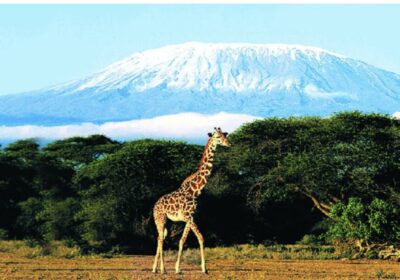
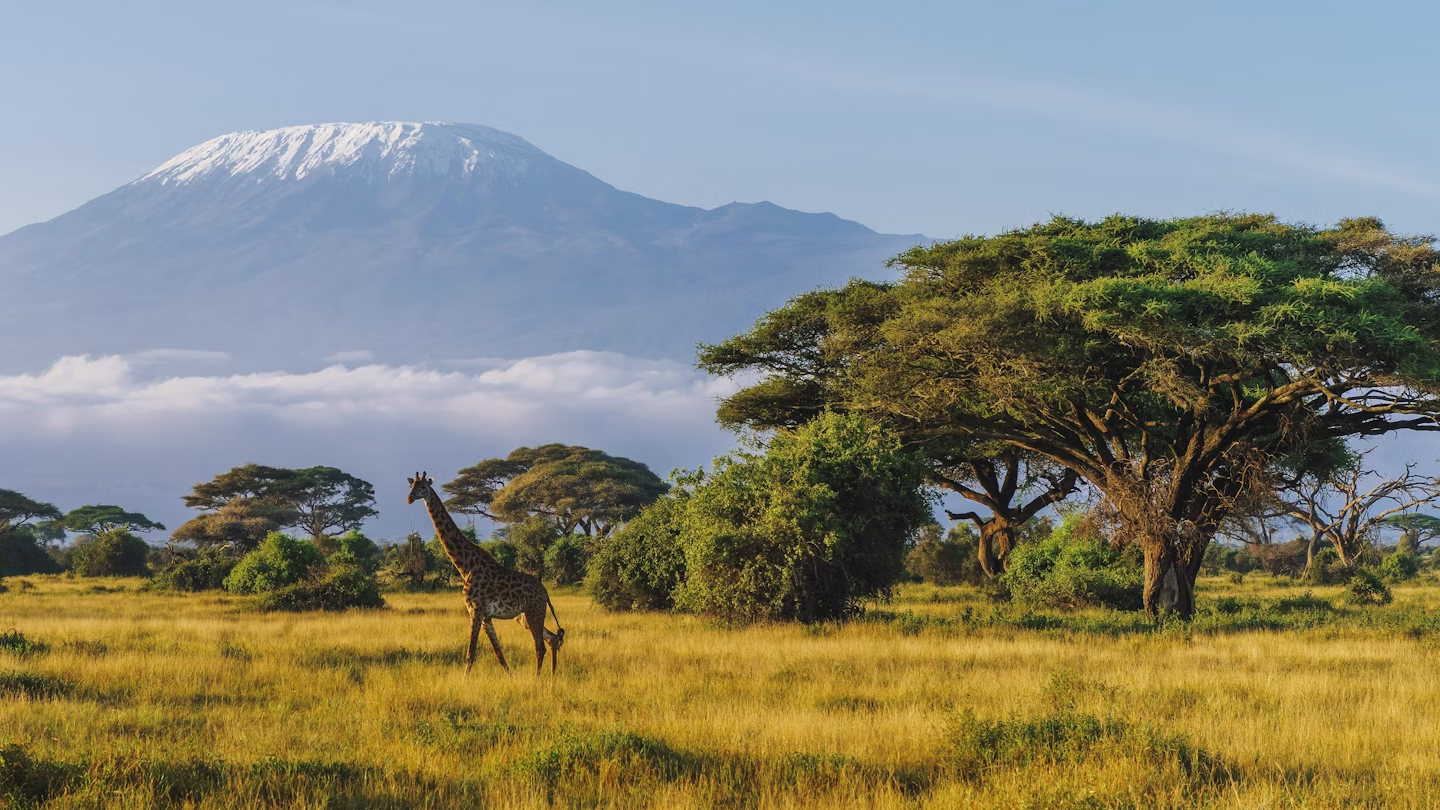
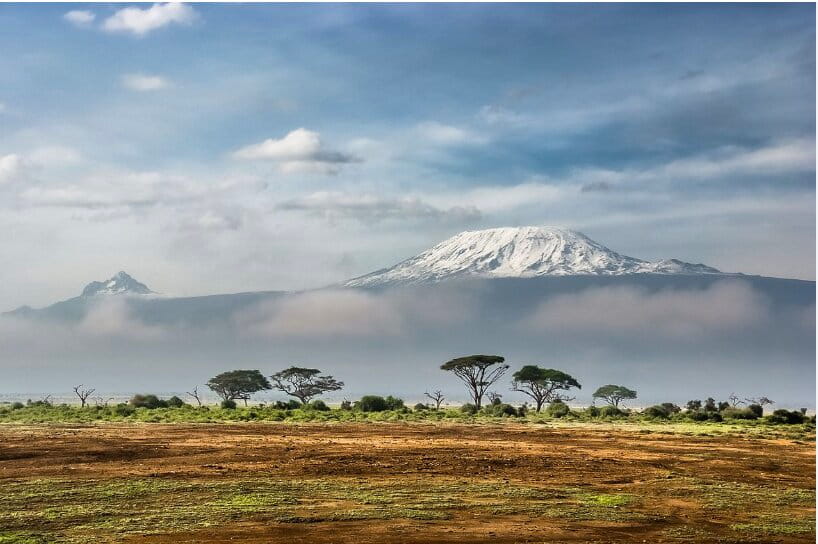
Mount Kilimanjaro is one of the most recognizable mountains in the world. Rising dramatically above the plains of northern Tanzania, this massive volcanic mountain reaches an elevation of 5,895 meters (19,341 feet) above sea level, making it the tallest mountain in Africa and the highest free-standing mountain on Earth.
For travelers and adventure seekers, climbing Kilimanjaro represents one of the most iconic trekking experiences available anywhere in the world. Unlike many other mountains of similar height, Kilimanjaro does not require technical climbing skills such as ropes, ice axes, or advanced mountaineering training. Instead, it offers a high-altitude trekking journey that is accessible to determined hikers with good physical fitness and proper preparation.
This unique combination of extreme altitude, breathtaking scenery, and relatively non-technical routes makes Kilimanjaro one of the most sought-after adventure travel destinations on the planet.
Every year thousands of climbers travel to Tanzania hoping to stand on Uhuru Peak, the highest point of the mountain and the roof of the African continent. The journey is challenging, but the reward of reaching the summit is an unforgettable moment that many people consider one of the greatest achievements of their lives.
Climbing Kilimanjaro is not only about reaching the top. The experience also includes trekking through multiple climate zones, observing unique wildlife, and witnessing dramatic landscapes that change dramatically with elevation.
Kilimanjaro Climbing Routes
One of the reasons Kilimanjaro attracts such a wide range of climbers is the variety of routes available to reach the summit. Each route offers different scenery, difficulty levels, and acclimatization profiles.
The most popular Kilimanjaro climbing routes include:
• Machame Route
• Marangu Route
• Lemosho Route
• Rongai Route
• Northern Circuit
Choosing the right route depends on several factors such as fitness level, available time, and desired trekking experience.
Machame Route
The Machame Route, often called the “Whiskey Route,” is one of the most popular and scenic routes on the mountain. It approaches Kilimanjaro from the south and offers spectacular views as the trail gradually climbs across the mountain.
Machame is considered moderately difficult but provides excellent acclimatization because the route follows the principle of “climb high, sleep low.” This helps climbers adapt to the altitude more effectively.
Trekkers on this route enjoy dramatic scenery including forest trails, rocky ridges, and panoramic views of the Shira Plateau.
Marangu Route
The Marangu Route, sometimes known as the “Coca-Cola Route,” is the oldest and most established path up Kilimanjaro. It is unique because it offers hut accommodations rather than camping, making it a more comfortable option for some climbers.
This route follows a direct path to the summit and is often completed in five to six days. However, because it allows less time for acclimatization, success rates are sometimes lower compared to longer routes.
Despite this, Marangu remains popular among travelers seeking a simpler logistical experience.
Lemosho Route
The Lemosho Route is widely regarded as one of the most beautiful approaches to Kilimanjaro. Starting on the western side of the mountain, the trail crosses remote forests and expansive high-altitude plateaus before joining the Machame Route.
This route typically takes seven to eight days and offers excellent acclimatization opportunities, making it one of the best choices for climbers who want to maximize their chances of reaching the summit.
The scenery along the Lemosho Route is especially diverse and often less crowded during the early days of the trek.
Rongai Route
The Rongai Route approaches Kilimanjaro from the northern side near the Kenyan border. Because this side of the mountain receives less rainfall, it is often drier and quieter than the southern routes.
Rongai offers a gradual ascent and beautiful views of the Kenyan plains below. It is a good option for climbers who prefer a more remote trekking experience.
Northern Circuit
The Northern Circuit Route is the longest route on Kilimanjaro and circles much of the mountain before reaching the summit. Because it provides the most time for acclimatization, it also offers one of the highest summit success rates.
Although it requires more time, many climbers consider the Northern Circuit to be the most rewarding and scenic route on the mountain.
Unique Ecosystems of Mount Kilimanjaro
One of the most fascinating aspects of climbing Kilimanjaro is the extraordinary range of ecosystems encountered along the way.
Because the mountain rises nearly six kilometers above the surrounding plains, the environment changes dramatically with altitude. Trekkers pass through several ecological zones, each with its own climate, vegetation, and wildlife.
The main ecosystems on Kilimanjaro include:
• tropical rainforest
• alpine moorland
• volcanic desert
• arctic summit zone
This progression makes the Kilimanjaro climb feel like a journey through multiple continents within just a few days.
Tropical Rainforest
The lower slopes of Kilimanjaro are covered in dense tropical rainforest. This region receives abundant rainfall and supports rich vegetation including giant ferns, moss-covered trees, and colorful flowers.
Wildlife such as colobus monkeys and blue monkeys can sometimes be seen moving through the forest canopy.
The rainforest zone is warm and humid, creating a striking contrast with the cold environments higher on the mountain.
Alpine Moorland
As climbers gain elevation, the forest gradually gives way to the alpine moorland zone. Here the landscape becomes more open and dramatic, with giant lobelia plants and other unusual high-altitude vegetation.
Temperatures begin to drop significantly, especially at night, and the scenery becomes increasingly rugged.
Volcanic Desert
Higher still lies the alpine desert zone, where vegetation becomes sparse and the landscape is dominated by rocks and volcanic soil.
This environment can feel almost lunar, with wide open spaces and harsh conditions. Temperatures fluctuate dramatically between hot sunlight during the day and freezing cold at night.
Arctic Summit Zone
Near the summit of Kilimanjaro lies the arctic zone, characterized by glaciers, ice formations, and extremely thin air.
This is the harshest environment on the mountain. Vegetation disappears completely and temperatures can drop far below freezing.
The stark beauty of this high-altitude world creates an unforgettable atmosphere as climbers approach the summit.
Summit Day: Reaching Uhuru Peak
Summit day on Kilimanjaro is the most challenging and emotional part of the entire journey.
Climbers usually begin their final ascent around midnight. Starting in darkness allows trekkers to reach the summit in time for sunrise.
The climb is slow and demanding due to the high altitude and freezing temperatures. Headlamps illuminate the trail as climbers steadily move upward across steep volcanic slopes.
As dawn approaches, the sky begins to glow above the horizon, revealing the dramatic landscape of glaciers and volcanic ridges surrounding the summit.
Eventually climbers reach Stella Point or Gilman’s Point, two important markers on the crater rim. From there the final push continues toward Uhuru Peak, the highest point on the African continent.
Standing at the summit sign at Uhuru Peak is a deeply emotional moment for many climbers. After days of trekking through changing environments and battling altitude fatigue, reaching the top of Africa represents a remarkable personal accomplishment.
The view from the summit is breathtaking. Clouds drift far below the mountain while the glaciers and vast plains of Tanzania stretch endlessly toward the horizon.
For many travelers, this moment becomes one of the most unforgettable experiences of their lives.
Physical Challenge and Preparation
Although Kilimanjaro does not require technical climbing skills, the trek is still physically demanding.
Climbers typically hike 6 to 8 hours per day for several consecutive days while gradually gaining altitude.
The biggest challenge is often altitude rather than terrain. The reduced oxygen levels above 4,000 meters can make even moderate exertion feel exhausting.
Proper preparation is essential for success.
Climbers are encouraged to:
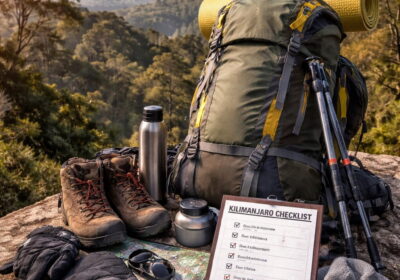
• train with long hikes before the expedition
• build cardiovascular endurance
• practice hiking with a backpack
• maintain a slow and steady pace during the climb
Experienced guides play a crucial role in helping climbers adjust to the altitude and maintain safe trekking speeds.
Why Climbing Kilimanjaro Is So Popular
Mount Kilimanjaro remains one of the most famous trekking destinations in the world for several important reasons.
First, it offers a rare opportunity to climb a nearly 6,000-meter mountain without technical mountaineering skills.
Second, the dramatic landscapes and ecological diversity make the journey visually spectacular.
Third, the sense of achievement that comes from reaching Uhuru Peak is incredibly powerful.
Finally, the adventure takes place within Tanzania’s remarkable natural environment, where climbers often combine the trek with wildlife safaris in nearby parks such as Serengeti and Ngorongoro.
A Journey to the Roof of Africa
Climbing Mount Kilimanjaro is more than just a trekking adventure. It is a journey through diverse ecosystems, breathtaking landscapes, and one of the most iconic mountains on Earth.
From the lush rainforest at the base of the mountain to the icy summit high above the clouds, every step of the climb offers new discoveries and unforgettable views.
For travelers seeking a challenge, a sense of adventure, and the opportunity to stand on the highest point in Africa, Kilimanjaro remains one of the world’s greatest trekking experiences.
Reaching Uhuru Peak is not only about conquering a mountain. It is about testing personal limits, experiencing the power of nature, and standing proudly on the roof of Africa.