Trekking in Nepal: The Ultimate Himalayan Adventure
Trekking in Nepal: Why It’s One of the Best Adventures on Earth
Nepal is widely considered one of the best trekking destinations in the world. Located in the heart of the Himalayas, the country is home to eight of the fourteen highest mountains on Earth, including the legendary Mount Everest. These towering peaks create one of the most dramatic landscapes anywhere on the planet.
For adventure travelers, trekking in Nepal offers a rare opportunity to explore remote mountain valleys, ancient villages, and high-altitude trails that have been used for centuries by traders, pilgrims, and mountaineers. The country’s unique combination of natural beauty, cultural diversity, and well-established trekking infrastructure makes it an ideal destination for both first-time trekkers and experienced hikers.
Unlike many hiking destinations around the world, trekking in Nepal is not simply about walking through nature. It is an immersive journey that blends physical challenge with cultural discovery. As you travel along Himalayan trails, you pass through traditional villages, Buddhist monasteries, suspension bridges decorated with prayer flags, and landscapes that shift dramatically with altitude.
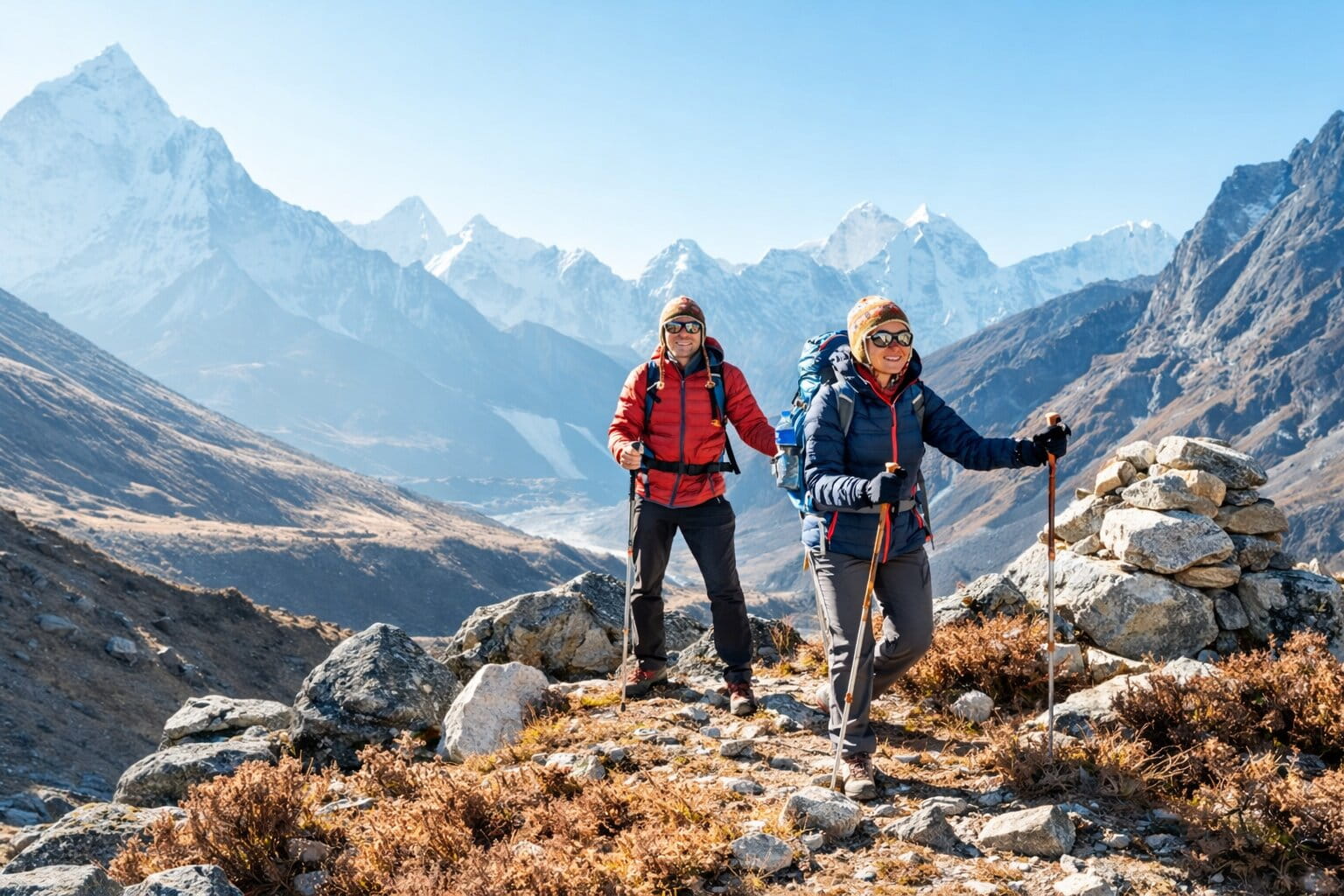
The experience is often described as life-changing. Standing beneath the massive snow-covered peaks of the Himalayas gives trekkers a powerful sense of scale and perspective that few places on Earth can provide.
Popular Trekking Routes in Nepal
One of the reasons Nepal has become a global center for adventure travel is the incredible variety of trekking routes available. Whether you are looking for a moderate scenic trek or a demanding high-altitude expedition, Nepal offers trails suitable for nearly every level of experience.
Some of the most famous Nepal trekking routes include:
• Annapurna Circuit
• Everest Base Camp Trek
• Langtang Valley Trek
• Manaslu Circuit Trek
• Upper Mustang Trek
Each of these trekking routes offers a completely different perspective on the Himalayan region.
Annapurna Circuit Trek
The Annapurna Circuit is one of the most classic trekking routes in the world. The trail circles the Annapurna mountain range and passes through a wide range of ecosystems including lush forests, alpine valleys, and high mountain deserts.
Trekkers cross the famous Thorong La Pass at an altitude of over 5,400 meters, making this route both challenging and incredibly rewarding.
Everest Base Camp Trek
The Everest Base Camp Trek is perhaps the most iconic trekking journey in the world. This route leads trekkers through the Khumbu region to the base of Mount Everest itself.
Along the way, hikers pass through the famous Sherpa town of Namche Bazaar, visit ancient monasteries such as Tengboche, and witness breathtaking views of Everest, Lhotse, Ama Dablam, and other Himalayan giants.
Langtang Valley Trek
For travelers seeking a quieter alternative to Everest or Annapurna, the Langtang Valley Trek offers spectacular scenery with fewer crowds. Located north of Kathmandu near the Tibetan border, the Langtang region features glacier valleys, traditional Tamang villages, and dramatic mountain views.
Manaslu Circuit Trek
The Manaslu Circuit Trek is considered one of the best remote trekking experiences in Nepal. Circling Mount Manaslu, the eighth highest mountain in the world, this route offers pristine landscapes and authentic mountain culture.
Because it is located in a restricted region, trekkers must travel with registered guides and permits.
Upper Mustang Trek
Upper Mustang is one of the most unique trekking regions in Nepal. Often described as a “hidden kingdom,” this high-altitude desert landscape resembles parts of Tibet. Ancient caves, monasteries, and walled villages make the trek culturally fascinating as well as visually stunning.
What Makes Trekking in Nepal Unique
Nepal stands apart from other trekking destinations for several important reasons.
The Himalayan Landscape
The most obvious reason is the extraordinary scale of the Himalayas themselves. The mountain range contains the highest peaks on Earth, many of which rise above 7,000 and 8,000 meters.
While trekking in Nepal, it is common to walk along ridgelines with panoramic views of glaciers, icefalls, and massive snow-covered summits. The scenery changes dramatically as the trail climbs higher into the mountains.
Trekkers may begin their journey in subtropical forests and eventually reach alpine tundra and glacial terrain within a matter of days.
Cultural Encounters
Another defining feature of trekking in Nepal is the rich cultural experience.
Many trekking routes pass through villages inhabited by ethnic groups such as the Sherpa, Tamang, Gurung, and Thakali people. These communities have lived in the Himalayas for generations and maintain strong traditions rooted in Tibetan Buddhism.
Trekkers frequently encounter prayer wheels, mani stones, chortens, and colorful prayer flags fluttering across suspension bridges. Visiting monasteries and interacting with local villagers adds a meaningful cultural dimension to the trekking experience.
Tea House Trekking
Nepal is famous for its “tea house trekking” system. Along many routes, small mountain lodges provide food, accommodation, and warm hospitality for trekkers.
These tea houses allow travelers to trek with relatively light gear since lodging and meals are available along the trail.
This infrastructure makes Nepal accessible even for travelers who may not have extensive mountaineering experience.
Stunning Biodiversity
Nepal’s trekking regions are also rich in biodiversity. National parks and conservation areas protect a wide range of wildlife including:
• Himalayan tahr
• snow leopards
• musk deer
• red pandas
• Himalayan monal pheasants
Rhododendron forests bloom in the spring, filling the mountainsides with vibrant colors.
Best Time to Trek in Nepal
Choosing the right season is one of the most important parts of planning a trekking adventure in Nepal.
The country has several trekking seasons, each with its own advantages.
Spring (March – May)
Spring is one of the most popular times for trekking in Nepal. The weather is generally stable and the mountains are often visible under clear skies.
During this season, rhododendron forests bloom across the hillsides, adding bright colors to the Himalayan landscape.
Spring is also a popular time for climbers attempting Mount Everest.
Autumn (September – November)
Autumn is widely considered the best trekking season in Nepal. After the monsoon rains clear the atmosphere, the mountain views become incredibly sharp and dramatic.
Temperatures are comfortable and trails are generally dry, making it ideal for longer treks such as the Everest Base Camp Trek or Annapurna Circuit.
Winter (December – February)
Winter trekking is possible in Nepal, particularly at lower altitudes. While temperatures can drop significantly in higher regions, many trekking routes remain accessible.
The advantage of winter trekking is fewer crowds and clear mountain views.
Monsoon Season (June – August)
The summer monsoon brings heavy rainfall to much of Nepal. Trails can become muddy and cloud cover often obscures mountain views.
However, certain regions such as Upper Mustang and Dolpo lie in rain shadow areas and remain good trekking destinations even during the monsoon season.
Planning Your Nepal Trek
Proper preparation is essential for a successful trekking experience in Nepal.
Several key factors should be considered before choosing a trekking route.
Altitude Awareness
Many trekking routes in Nepal reach elevations above 4,000 or even 5,000 meters. At these heights, the risk of altitude sickness becomes an important consideration.
Trekkers should follow gradual acclimatization schedules and include rest days in their itinerary to allow the body to adjust.
Hydration, pacing, and proper acclimatization are crucial for staying healthy at high altitude.
Permits and Regulations
Most trekking regions in Nepal require permits. These may include:
• TIMS card (Trekkers’ Information Management System)
• National park permits
• conservation area permits
• restricted region permits for certain areas
Organized trekking companies usually handle these permits as part of the tour package.
Guides and Porters
Although some trekking routes can technically be completed independently, many travelers prefer to hire experienced guides and porters.
Local guides provide navigation, cultural insight, and safety support. Porters help carry heavy backpacks, allowing trekkers to enjoy the journey more comfortably.
Hiring local support also contributes to the local mountain economy.
Organized Trekking Tours
Many travelers choose organized trekking tours in Nepal. These tours typically include:
• airport transfers
• domestic flights (such as the Lukla flight for Everest treks)
• trekking permits
• accommodation in tea houses
• experienced mountain guides
• porters
• meals along the trail
This approach simplifies logistics and allows trekkers to focus entirely on enjoying the adventure.
Why Nepal Remains the World’s Trekking Capital
Few destinations on Earth combine natural beauty, cultural heritage, and adventure in the way Nepal does. The Himalayas create an awe-inspiring environment where every step reveals new landscapes and experiences.
Whether trekking to Everest Base Camp, exploring the Annapurna region, or discovering remote Himalayan valleys, travelers often describe Nepal as one of the most unforgettable journeys of their lives.
For those seeking dramatic mountain scenery, authentic cultural encounters, and some of the best trekking routes on the planet, Nepal continues to stand as the ultimate adventure travel destination.