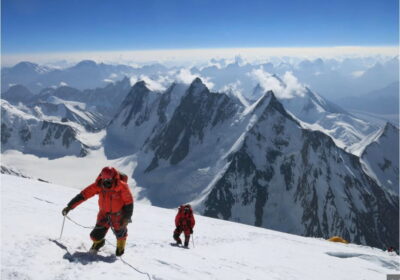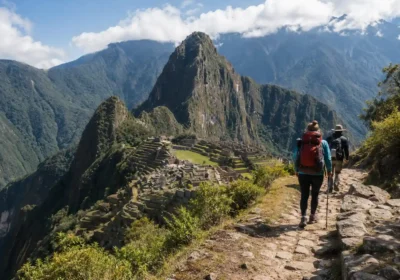
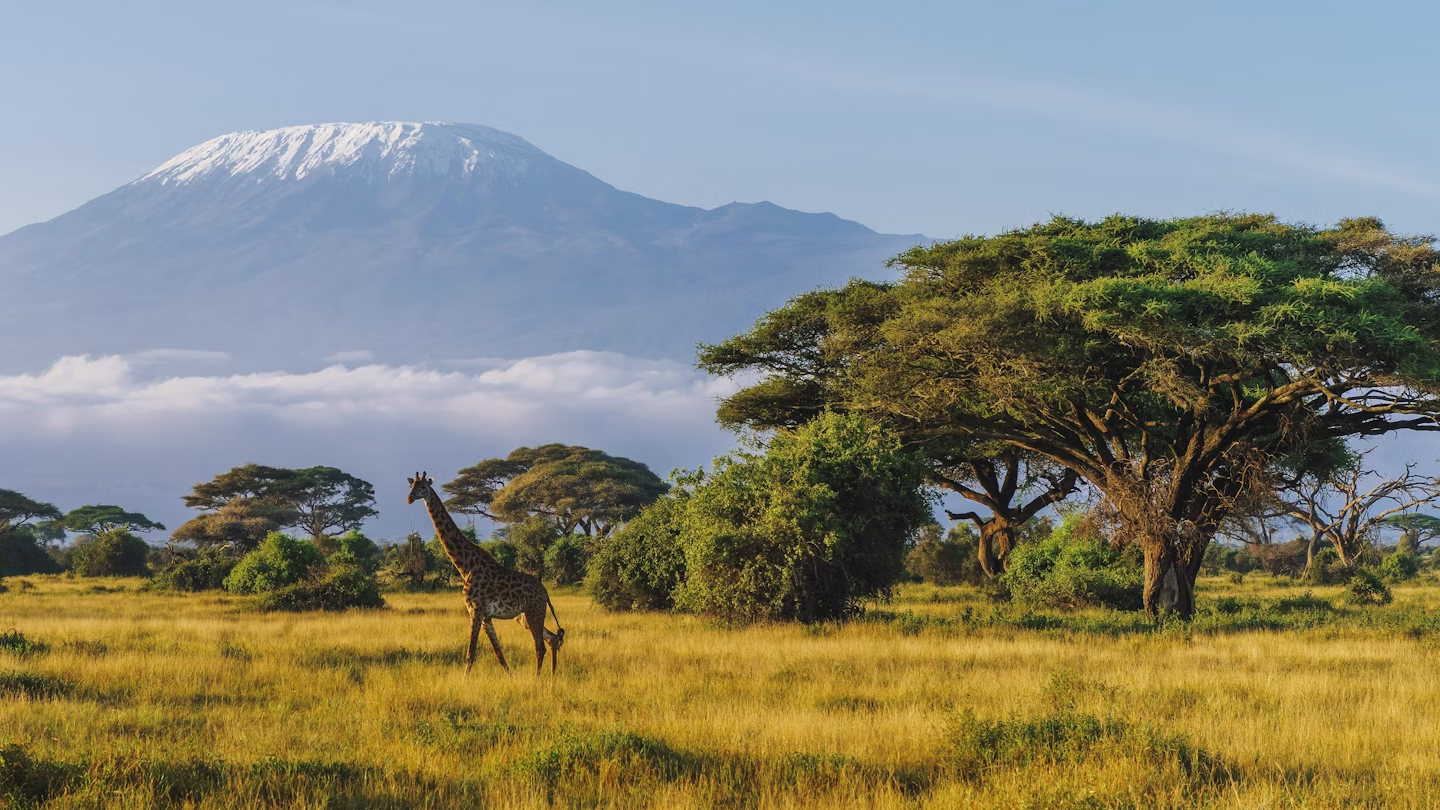


Booking an international adventure is a major investment of your time, money, and emotional energy. Whether you are preparing to hike the legendary trails of the Andes or setting off to witness the Great Wildebeest Migration, the company you choose to facilitate that experience holds your dream vacation in their hands.
Get it right, and you will enjoy a seamless, deeply enriching experience filled with expert insights, profound cultural connections, and memories that will last a lifetime. Get it wrong, and you could find yourself dealing with broken-down vehicles, hidden fees, overcrowded accommodations, or worse—compromised safety in remote wilderness areas.
With thousands of companies claiming to be the “best adventure travel company of 2026,” how do you separate the world-class outfitters from the amateur operations?
At WeGoExplore365, we believe in radical transparency. We know exactly what goes into operating a flawless expedition, and we want to empower you to ask the right questions before you hand over your credit card. In this comprehensive guide, we will break down the seven critical steps on how to choose a tour operator that aligns with your budget, values, and travel style.
1. Verify Safety Standards and Accreditations
When you are traveling to remote environments, safety is not a luxury; it is the absolute baseline. If you are climbing a 19,000-foot mountain or driving through territory populated by apex predators, you need to know that your operator is prepared for worst-case scenarios.
- Ask About Emergency Protocols: What happens if a vehicle breaks down in the middle of the Serengeti? Does the company have a dedicated support van or a network of backup vehicles? If you are trekking, do the guides carry emergency satellite phones and supplemental oxygen?
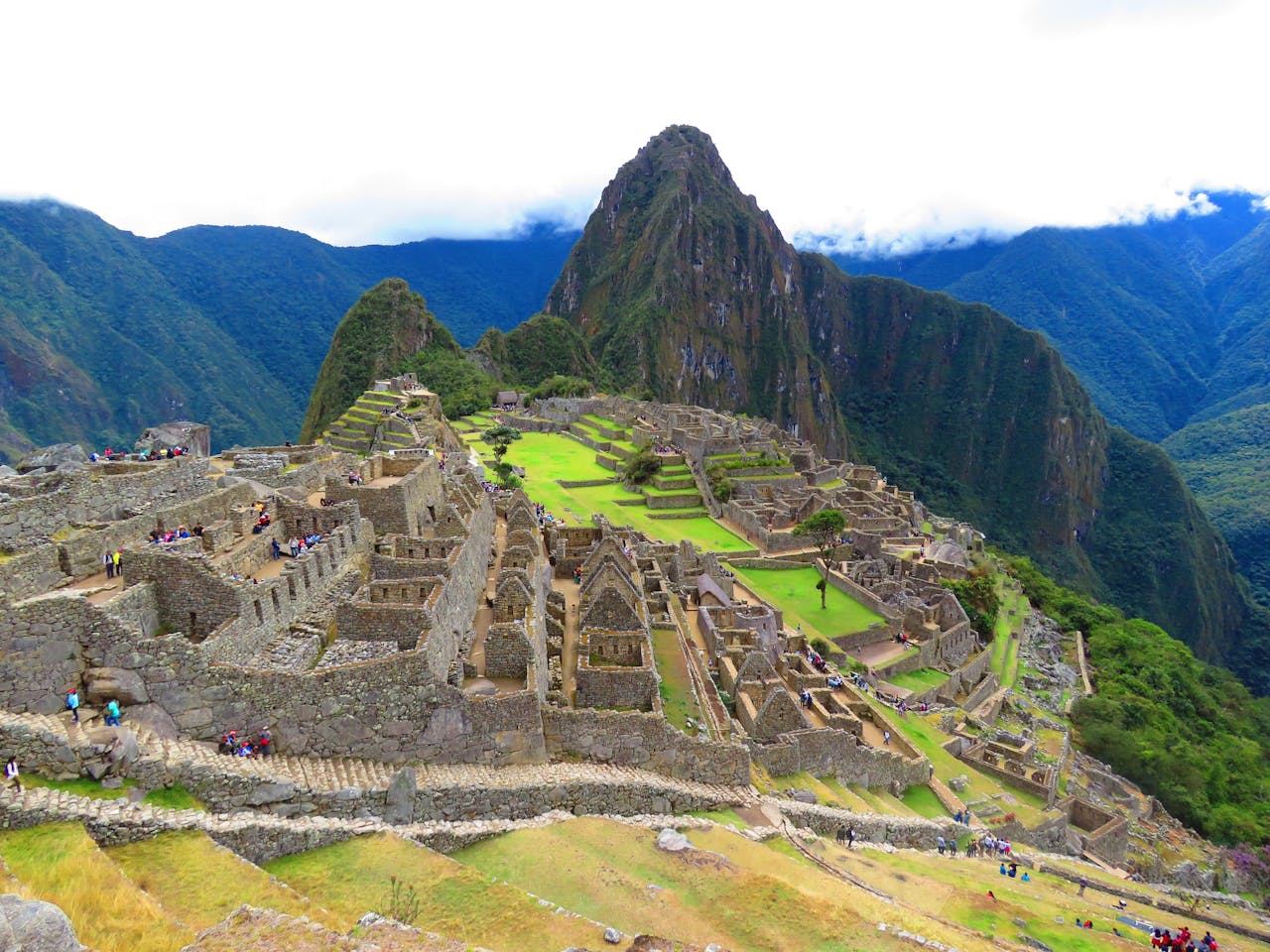
- Check Local and International Accreditations: A reputable tour operator will be licensed by the local government’s tourism board. For example, any company operating in Peru must be officially registered with the Peruvian Ministry of Culture. Additionally, look for memberships in respected global organizations like the Adventure Travel Trade Association (ATTA).
- Guide Certifications: Are the guides certified in Wilderness First Aid (WFA) or Wilderness First Responder (WFR)? These certifications prove they are trained to handle medical emergencies miles away from the nearest hospital.
2. Evaluate the Quality of the Guides
Your guide will make or break your trip. You can stay in the most luxurious lodge in the world, but if your guide is unenthusiastic, lacks deep local knowledge, or struggles to communicate, your experience will suffer.
- Local vs. Foreign Guides: The best tour companies exclusively employ local guides. A guide who was born and raised in Tanzania will naturally understand the savanna ecosystem and animal behavior far better than an expat who recently moved there. Furthermore, hiring local guides ensures your tourism dollars stay within the community.
- Employee vs. Freelancer: Ask the company if their guides are full-time employees or seasonal freelancers. Companies that invest in full-time staff tend to have lower turnover, better ongoing training programs, and a higher standard of quality control.
- Language Proficiency: Ensure that the operator guarantees bilingual guides who are fluent in your native language, not just capable of basic conversational phrases.
If you want to experience the difference a world-class local guide can make, explore the carefully vetted itineraries on our Trekking in Peru.
3. Demand Total Transparency in Pricing
The adventure travel industry is notorious for hidden fees. A company might advertise a rock-bottom price on their homepage, but by the time you reach your destination, you realize that essential elements of the trip were left out of the quote. When comparing quotes, do not just look at the final number; look at the itemized inclusions.
Questions to Ask About Costs:
Are park entrance fees included? National park permits can be incredibly expensive. A week in the Serengeti or a permit for the Inca Trail can add hundreds of dollars to your trip. Verify if these are included in the base price.
What meals are covered? If an itinerary says “Meals on your own,” make sure you are staying in a town with safe, accessible restaurant options, rather than being isolated at a remote lodge where you are forced to buy overpriced hotel food.
What about transportation? Does the price include airport transfers? Are internal domestic bush flights included, or will you have to book those separately?
Is equipment provided? If you are booking a trek, does the company provide high-quality, four-season tents and sleeping mats, or do you have to rent those for an additional fee upon arrival?
4. Determine the Group Size and Travel Style
The dynamic of your group will heavily influence the tone of your trip. Are you hoping to make lifelong friends with 20 other backpackers, or are you seeking a quiet, intimate anniversary trip?
- Large Group Coach Tours (20–40+ people): These are usually the cheapest options. However, you will spend a significant amount of your day waiting for 39 other people to use the restroom, board the bus, or take photos. They also tend to stay at large, impersonal hotels because boutique lodges cannot accommodate the numbers.
- Small Group Tours (8–14 people): This is the sweet spot for most travelers. Small groups are nimble, allowing you to spend more time at the actual destination and less time in transit. You also have a much better chance of interacting directly with your guide.
- Private Tours: If you have the budget, booking a private tour offers ultimate flexibility. You set the pace, you decide when to wake up, and you have the guide’s undivided attention.
5. Investigate Ethical and Sustainable Practices
In 2026, responsible travel is no longer optional. The environments you are visiting—whether they are fragile glacial valleys or delicate savanna ecosystems—are under immense pressure from overtourism and climate change. You want to choose an operator that acts as a steward of the land, not just a consumer of it.
- Animal Welfare: Does the company adhere to strict wildlife viewing rules? Do they maintain a respectful distance from animals, or do their drivers go off-road and harass wildlife just to get a good photo for their clients? Do they refuse to offer unethical activities like lion cub petting or elephant riding?
- Fair Wages for Staff: This is especially critical in the trekking industry. In places like Nepal and Peru, porters carry incredibly heavy loads to make your trip possible. Ensure your operator strictly enforces porter weight limits, provides them with proper cold-weather gear, and pays a fair, living wage.
- Environmental Footprint: Does the company use reusable water bottles instead of single-use plastics? Do they pack out all their trash from campsites? Do they partner with eco-friendly lodges that use solar power?
6. Look for Customization and Pacing
A rigid, cookie-cutter itinerary is a red flag. While group tours naturally have set schedules, a great tour operator understands that a vacation should not feel like a military deployment.
Look closely at the pacing of the itinerary. Are you changing hotels every single night? If so, you will spend the majority of your trip packing, unpacking, and sitting in a vehicle. The best tour operators build “slow travel” into their itineraries. They plan for two- or three-night stays in key locations, allowing you to actually settle in, explore the area, and absorb the culture without feeling rushed.
Furthermore, a top-tier operator will always ask about your specific interests during the booking process. If you mention that you are an avid bird watcher, they should be able to tweak the schedule or inform your guide to focus on ornithology during your game drives.
Want to see an itinerary perfectly balanced for maximum wildlife viewing without the burnout? Explore our Safari in Tanzania to see how we pace our trips.
7. How to Decode Reviews and Reputation
In the age of the internet, a company’s reputation is out in the open, but you have to know how to read between the lines. Do not rely solely on the testimonials posted directly on the operator’s website; look at third-party platforms like TripAdvisor, TrustPilot, or Google Reviews.
- Look for Consistency: Every company will have a bad review eventually—sometimes things just go wrong. However, look for consistent patterns. If multiple reviews over a two-year period mention that the vehicles frequently broke down, that is a systemic issue, not a one-off stroke of bad luck.
- Check the Responses: How does the company respond to negative reviews? A professional operator will address the complaint politely, explain the circumstances, and offer a resolution. A company that argues aggressively with past clients is one you want to avoid.
- Focus on the Details: Ignore generic reviews like “Great trip!” Instead, look for reviews that mention the guide by name, talk about how the company handled a sudden change in weather, or praise the quality of the food in the remote camps.
The Final Test: The Communication Check
The final step in how to choose a tour operator happens before you ever book. It is the communication test.
Send the company an email with a few specific, detailed questions. How long does it take them to reply? Is the response a generic, automated template, or did a real human being take the time to answer your specific concerns?
If a company is slow to respond, vague about details, or pushes you aggressively to make a deposit before answering your questions, walk away. If they treat you poorly during the sales process, they will not treat you well when you are stranded in a foreign country. You want an operator who acts like a partner in your adventure, someone who is just as excited about your trip as you are.
Conclusion: Trust Your Instincts
Choosing a tour operator requires diligence, but the effort pays massive dividends once your boots hit the dirt. By verifying safety accreditations, demanding pricing transparency, prioritizing local guides, and insisting on ethical practices, you strip away the risk and guarantee an adventure that exceeds your expectations.
At WeGoExplore365, we pride ourselves on checking every single box on this list. We do not just sell trips; we craft profound experiences rooted in safety, sustainability, and authentic local expertise. If you are ready to start planning your next epic journey with a team you can trust, reach out to us today—we are ready to explore the world with you.