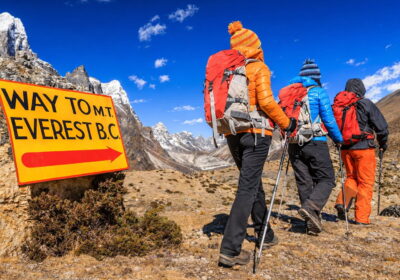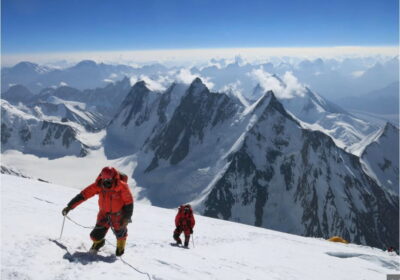
The idea of embarking on a multi-day trek can be intimidating. If your social media feed is full of mountaineers dangling from ice walls or suffering from extreme altitude sickness near Mount Everest, it is easy to assume that trekking is only for elite athletes.
Fortunately, this is a complete myth.
The world is full of spectacular, life-changing trails that are perfectly suited for beginners. You do not need technical climbing skills, you do not need to carry a 60-pound backpack, and you do not need to sleep on freezing, rocky ground. The best treks for beginners combine breathtaking scenery with excellent infrastructure—think comfortable mountain lodges, porters to carry your gear, and well-maintained trails that allow you to walk at your own pace.
If you are ready to trade your weekend day-hikes for a true wilderness adventure, you have come to the right place. In this 2026 guide, we will break down exactly what makes a trail beginner-friendly and highlight the 7 best treks for beginners across the globe.
What Makes a Trek “Good” for Beginners?
Before we dive into the list, it helps to understand how we define an “easy” or “beginner” trek. When evaluating a trail for a first-timer, we look for three key factors:
- Altitude: High altitude (above 10,000 feet / 3,000 meters) makes everything harder. The air is thin, and altitude sickness can strike anyone regardless of fitness. The best beginner treks either stay at lower elevations or have incredibly slow, well-designed acclimatization profiles.
- Infrastructure: Beginners shouldn’t have to worry about pitching tents in a storm or cooking freeze-dried meals over a tiny stove. Beginner-friendly routes usually feature “teahouses” (mountain lodges) or offer fully supported camping where a crew handles the logistics.
- Daily Distances: A good introductory trek keeps daily walking distances manageable—usually between 5 and 9 miles (8 to 14 kilometers) per day.
Use this interactive tool to compare our top beginner treks based on the factors that matter most to your fitness and comfort levels:
Beginner Trek Explorer
| Trek | Days | Elevation | Level | Lodging |
|---|---|---|---|---|
| Inca Trail (Peru) | 4 days | 4,200 m | Moderate | Camping |
| Poon Hill (Nepal) | 5 days | 3,210 m | Easy | Teahouses |
| W Trek (Chile) | 5 days | 1,200 m | Moderate | Refugios |
| Mont Blanc (EU) | 6 days | 2,532 m | Moderate | Alpine Huts |
| Kilimanjaro (TZ) | 7 days | 5,895 m | Hard | Camping |
1. The Ghorepani Poon Hill Trek (Nepal)
When people ask for the ultimate beginner trek in the Himalayas, Poon Hill is almost always the answer. While the Everest Base Camp trek requires two weeks of grueling hiking at extreme altitudes, Poon Hill offers the magic of Nepal in a fraction of the time and effort.
- Location: Annapurna Region, Nepal
- Duration: 4 to 5 Days
- Max Elevation: 10,531 ft (3,210 m)
- The Experience: You will walk through ancient rhododendron forests, cross suspension bridges over rushing rivers, and sleep in cozy teahouses run by local families. The highlight is a pre-dawn hike up Poon Hill to watch the sunrise illuminate the towering, snow-capped peaks of Annapurna and Dhaulagiri. Because you never go too high, altitude sickness is rarely an issue.
2. The Classic Inca Trail (Peru)
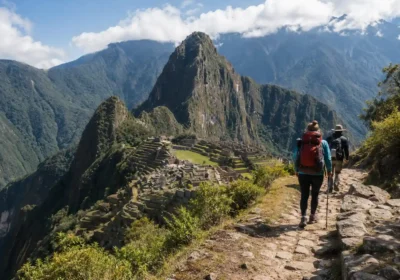
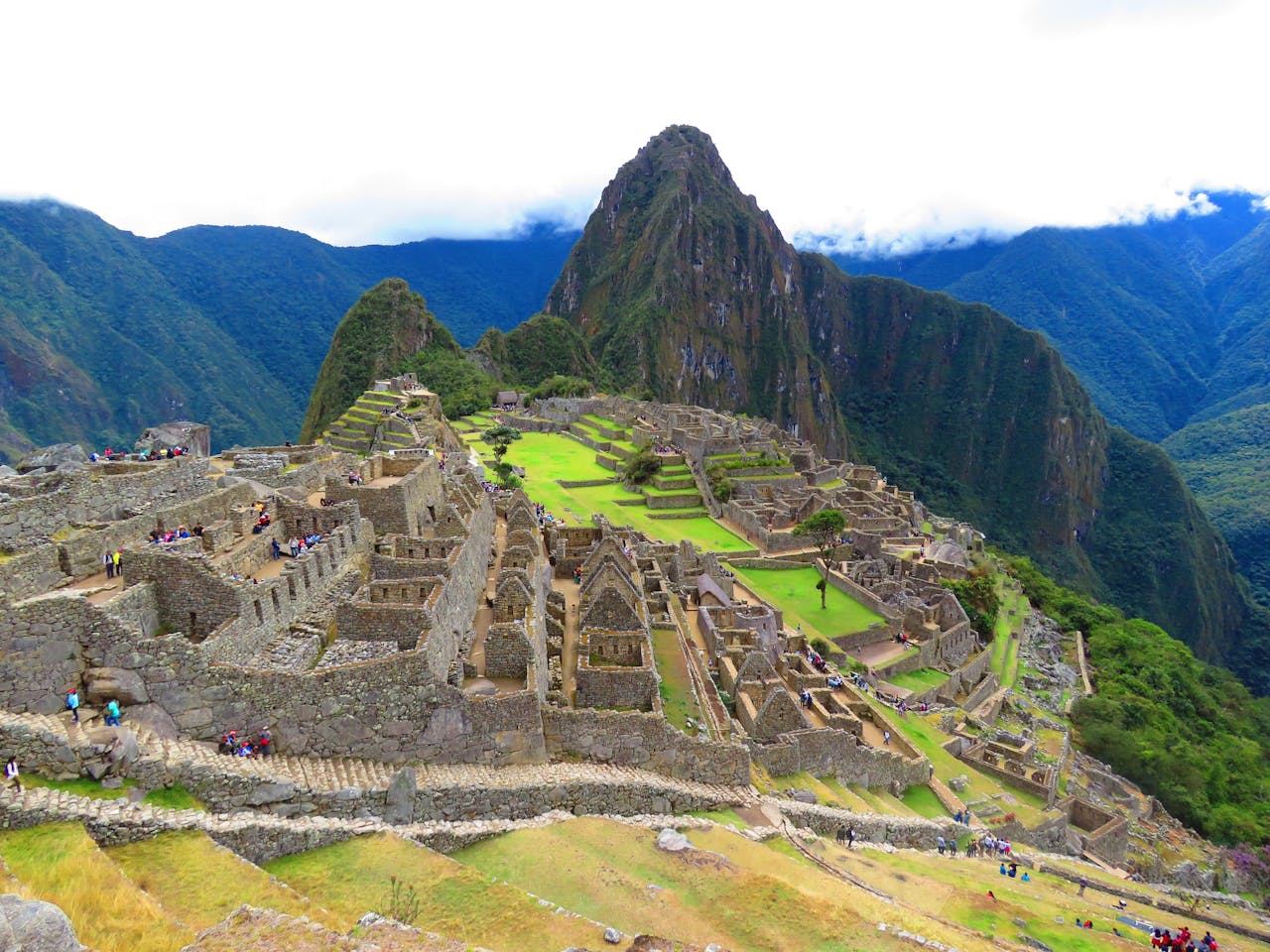
The Inca Trail is arguably the most famous hike in the world. While it requires a decent level of physical fitness due to the thousands of stone steps, it is entirely accessible to prepared beginners.
- Location: Cusco Region, Peru
- Duration: 4 Days
- Max Elevation: 13,828 ft (4,215 m) at Dead Woman’s Pass
- The Experience: You will hike through cloud forests, explore stunning Incan ruins that can only be reached on foot, and finally cross through the Sun Gate for your first glimpse of Machu Picchu. Because government regulations require you to hike with a licensed agency, you will have a team of porters carrying your heavy gear and a chef cooking three hot meals a day.
- Ready to secure your spot? Explore our Trekking in Peru.
- 3. The W Trek in Torres del Paine (Chile)
- Patagonia is famous for its fierce weather and rugged landscapes, but the W Trek is surprisingly accessible for first-timers thanks to its phenomenal infrastructure.
- Location: Torres del Paine National Park, Patagonia, Chile
- Duration: 4 to 5 Days
- Max Elevation: ~3,900 ft (1,200 m)
- The Experience: The trail is shaped like a “W” and takes you past towering granite spires, massive glaciers calving into turquoise lakes, and sweeping valleys. You don’t even need a tent; you can book a bed in the park’s “refugios” (mountain hostels) and buy hot meals along the trail, meaning you only need to carry a light daypack.
- 4. Mount Kilimanjaro – Rongai Route (Tanzania)
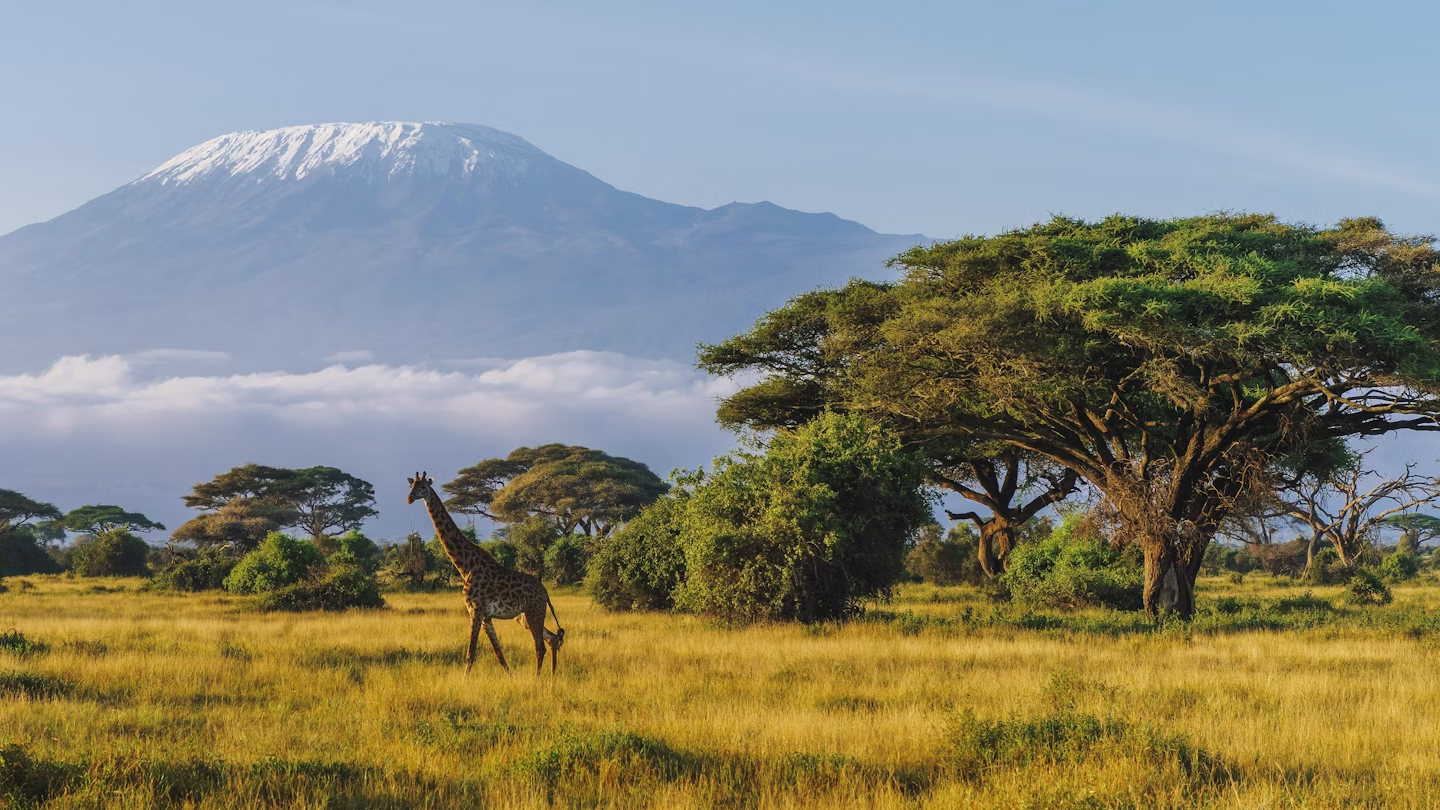
- Wait—is the highest mountain in Africa really for beginners? Yes, conditionally. Kilimanjaro is known as a “walk-up” mountain. It requires zero technical climbing gear—no ropes, no crampons, no ice axes. It is just a very long, very high hike.
- Location: Tanzania, Africa
- Duration: 7 Days (Do not try to do it in fewer days)
- Max Elevation: 19,341 ft (5,895 m)
- The Experience: The Rongai route approaches the mountain from the north, near the Kenyan border. It is drier, less crowded, and has a much more gradual incline than the popular Machame route, making it ideal for beginners. You will hike through five distinct climate zones, from rainforest to arctic desert. Like the Inca Trail, you are fully supported by a massive crew of porters and guides.
5. Tour du Mont Blanc – Highlight Sections (Europe)
The full Tour du Mont Blanc (TMB) is a 105-mile circuit through France, Italy, and Switzerland that takes nearly two weeks. However, several operators now offer 5- or 6-day “Highlight” versions that capture the very best scenery without the grueling endurance test.
- Location: France, Italy, Switzerland
- Duration: 5 to 6 Days (Highlight versions)
- Max Elevation: ~8,300 ft (2,532 m)
- The Experience: You will walk through lush alpine meadows ringing with cowbells, cross borders on foot, and stare up at massive, creeping glaciers. At night, you sleep in comfortable alpine huts or valley hotels, eating incredible French cheeses and drinking Italian wine. It is the most civilized wilderness experience on earth.
6. The Portuguese Camino – Tui to Santiago (Portugal/Spain)
If you are looking for a cultural walk rather than a wilderness expedition, the Camino de Santiago is perfect.
- Location: Portugal into Northern Spain
- Duration: 6 to 8 Days
- Max Elevation: Mostly flat, rolling hills
- The Experience: Walking the final 100 kilometers (62 miles) from the border town of Tui into Santiago de Compostela qualifies you for the official Pilgrim’s Certificate. This is a gentle, deeply historic walk through small farming villages, eucalyptus forests, and coastal towns. You stop at cafes along the way for espresso and pastries, and sleep in comfortable guesthouses every night.
7. The Laugavegur Trail (Iceland)
Iceland’s landscapes look like they belong on another planet, and the Laugavegur Trail is the best way to see them up close.
- Location: Southern Highlands, Iceland
- Duration: 4 Days
- Max Elevation: ~3,400 ft (1,050 m)
- The Experience: You will hike past steaming geothermal vents, cross black sand deserts, and walk through rhyolite mountains that glow in shades of red, green, and yellow. While the terrain is manageable, the weather here is highly unpredictable, so investing in high-quality rain and wind gear is mandatory. You will sleep in sturdy, heated mountain huts along the route.
Essential Preparation for Your First Trek
Even though these trails are beginner-friendly, showing up unprepared will guarantee a miserable time. Focus on these three pillars before you fly:
- Break In Your Boots: This is the golden rule of trekking. Never wear brand-new boots on the trail. Buy them months in advance and wear them on long walks, in the rain, and up hills until they mold to your feet. Blisters are the number one reason beginners quit.
- Train with Weight: You do not need to be a marathon runner, but you do need stamina. Fill your daypack with 10–15 pounds of water bottles and spend your weekends hiking local hills. If you live in a flat city, set a treadmill to maximum incline and walk for an hour.
- Respect the Layers: Mountain weather changes in minutes. You need a base layer to wick sweat, an insulating layer (like a fleece or down jacket) for warmth, and a high-quality waterproof shell to block wind and rain. Avoid cotton at all costs; when it gets wet, it stays wet and makes you cold.
Ready to Take the First Step?
Choosing to embark on your first multi-day trek opens up a completely new way to see the world. Suddenly, you aren’t just visiting a destination; you are a part of it. Whether you are walking in the shadow of Mount Everest or tracing the footsteps of the Incas in Peru, the physical effort required makes the view at the end infinitely more rewarding.
To see how these trekking hotspots stack up against other thrilling destinations, read our broader guide to the Best adventure countries.
If you are ready to stop researching and start walking, head over to our Best Trekking Tours to connect with our vetted guides and lock in your 2026 adventure today.