

Alaska is one of the greatest fishing destinations on Earth.
With enormous salmon runs, giant halibut, pristine rivers, and thousands of miles of untouched coastline, the state attracts anglers from around the world every single year. Whether you are chasing aggressive Silver Salmon in rushing rivers, hauling massive halibut from the icy Gulf of Alaska, or trying to land a once-in-a-lifetime King Salmon, Alaska offers fishing experiences that are impossible to replicate anywhere else.
But here is the most important thing every traveler must understand before booking:
There is no single “best” time to fish in Alaska.
The ideal time to visit depends entirely on what species you want to target.
Unlike general vacation destinations where weather determines the travel season, Alaska fishing revolves around fish migration cycles. Salmon species move according to highly predictable seasonal runs, while halibut and other saltwater species follow feeding patterns that shift throughout the summer.
Your trip dates will directly determine:
- Which fish species are active
- The quality of the fishing
- The size of the crowds
- The weather conditions
- Charter pricing
- Lodge availability
- Wildlife viewing opportunities
In this complete 2026 Alaska fishing guide, we break down the fishing calendar month-by-month so you can plan the perfect trip around your dream catch.
Understanding Alaska’s Fishing Seasons
Before choosing travel dates, it helps to understand the overall rhythm of Alaska’s fishing calendar.
The Alaska fishing season generally runs from:
May through September
Each period has its own advantages, target species, and atmosphere.
Early Season (May – Mid June)
Best for:
- Halibut
- Early King Salmon
- Smaller crowds
- Lower pricing
This period offers calmer tourism traffic and excellent opportunities for anglers seeking fewer crowds.
Peak Summer Season (Mid June – July)
Best for:
- King Salmon
- Sockeye Salmon
- High fish numbers
- Multi-species trips
This is Alaska’s busiest and most action-packed fishing period.
Late Season (August – September)
Best for:
- Silver Salmon
- Trophy trout
- Fall scenery
- Peaceful wilderness atmosphere
Many experienced anglers actually prefer the late season due to fewer tourists and highly aggressive fish behavior.
Why Timing Matters So Much in Alaska
Many first-time visitors assume all fish species are active all summer long.
That is not true.
Each species follows distinct migration patterns.
For example:
- Sockeye runs peak during a narrow summer window
- Silver Salmon dominate later in the season
- Halibut fishing remains consistent longer
- King Salmon timing varies by river system
Booking the wrong month could completely change your fishing experience.
Alaska Fishing in May: The Early Season Advantage
Target Species
- Halibut
- Early King Salmon
- Rockfish
What the Experience Feels Like
May marks the beginning of Alaska’s fishing season.
The weather starts warming, tourism crowds remain light, and many fish species begin becoming active after winter.
Halibut move into shallower waters during this period, creating excellent opportunities for ocean charters.
Meanwhile, early King Salmon begin appearing in saltwater systems.
Why Many Experienced Anglers Love May
One major advantage is reduced tourism pressure.
Compared to July:
- Lodges are cheaper
- Flights are often less expensive
- Rivers feel quieter
- Charter availability is much better
This creates a more peaceful wilderness experience.
Downsides of May Fishing
Weather can still be unpredictable.
Cold temperatures, rain, and rough seas occasionally affect ocean conditions.
Some salmon systems are not yet fully active.
June: One of the Best All-Around Fishing Months
Target Species
- Halibut
- King Salmon
- Rainbow Trout
- Rockfish
Why June Is So Popular
Many experienced guides consider June one of Alaska’s best overall fishing months.
Conditions typically include:
- Long daylight hours
- Mild weather
- Excellent halibut fishing
- Strong King Salmon activity
June offers excellent balance between fishing quality and manageable crowds.
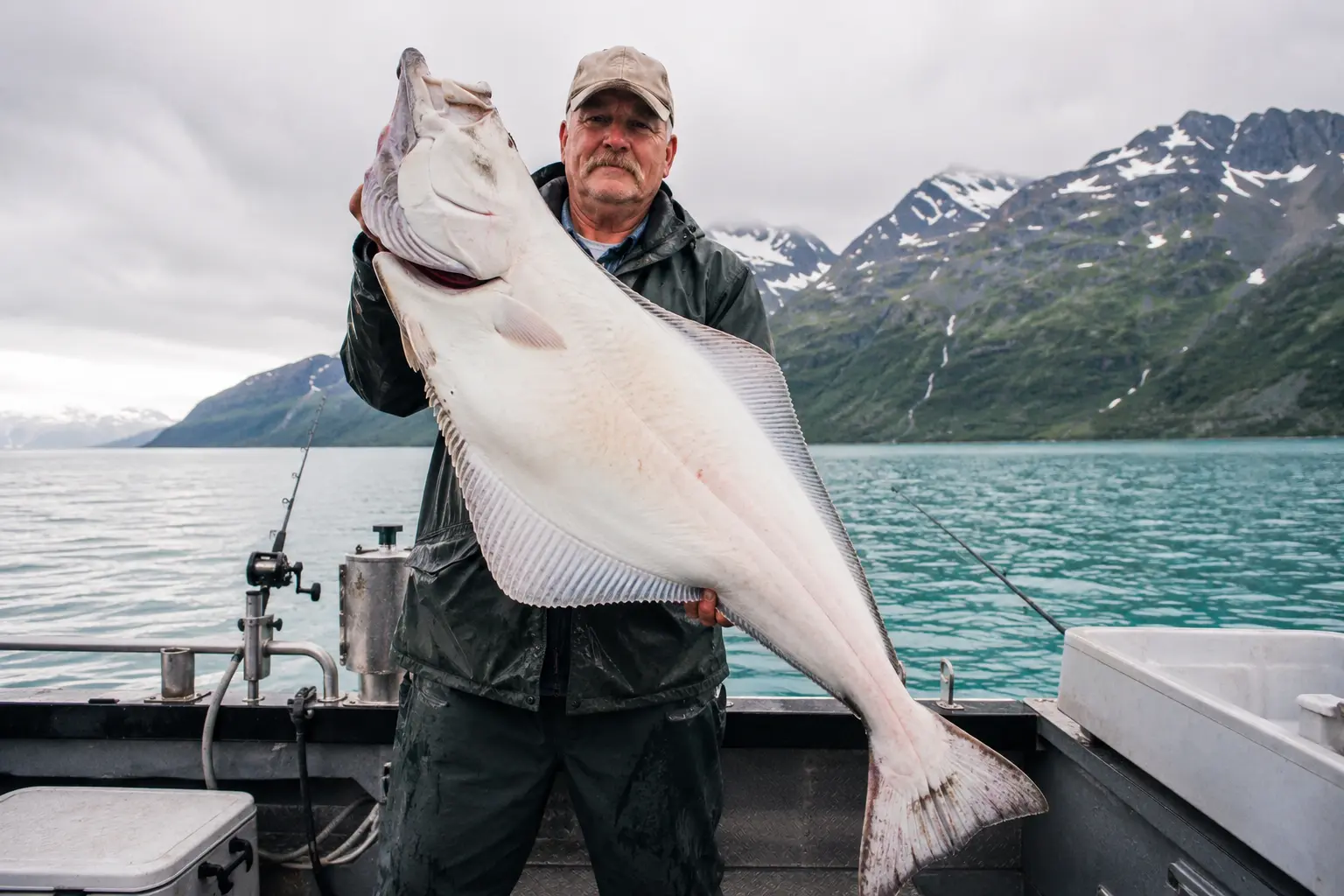
Halibut Fishing Peaks in June
Halibut fishing becomes especially productive during this period.
These powerful bottom fish provide incredible sport and exceptional table fare.
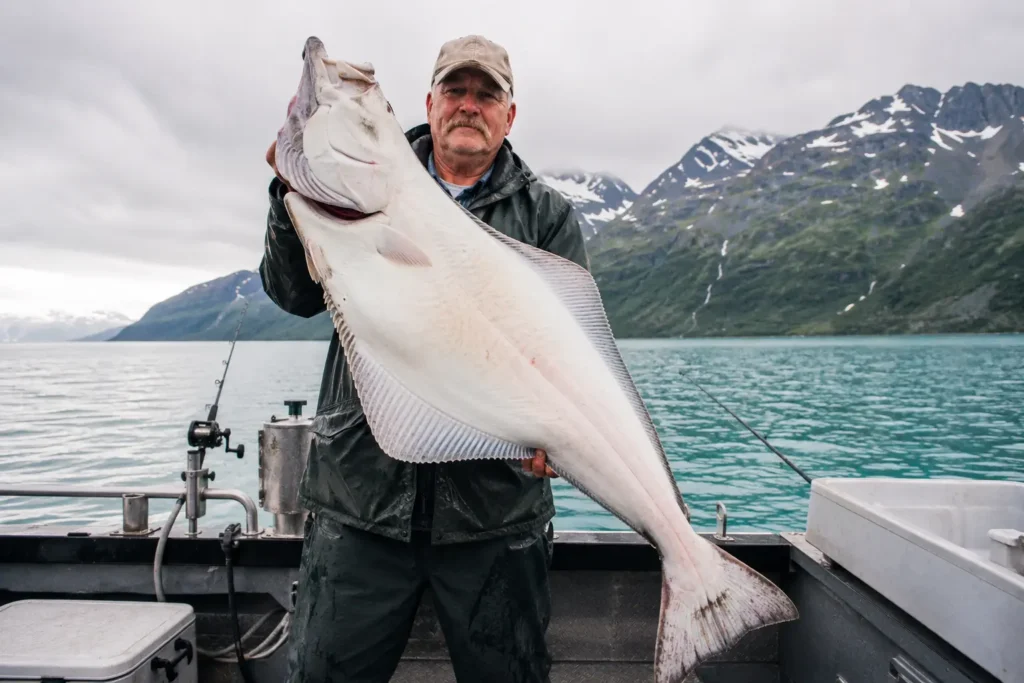
Many anglers specifically visit Alaska in June to target trophy halibut exceeding 100 pounds.
River Systems Become Highly Active
Famous systems such as:
- Kenai River
- Kasilof River
experience strong King Salmon action during June.
Weather Conditions Improve Significantly
Compared to May, June generally offers:
- More stable weather
- Warmer temperatures
- Better boating conditions
This makes it an excellent month for families and first-time Alaska visitors.
July: The Peak Salmon Explosion
Target Species
- Sockeye Salmon
- King Salmon
- Pink Salmon
- Halibut
- Lingcod
July Is Alaska’s Fishing Madness
This is peak Alaska fishing season.
Millions of salmon flood rivers throughout the state.
The action can become absolutely nonstop.
If your goal is maximum fish activity and full freezers, July is hard to beat.
Sockeye Salmon Runs Peak
Sockeye Salmon dominate many river systems during July.
These fish are prized for:
- Incredible eating quality
- Large run numbers
- Strong fights
Many anglers target Sockeye specifically for meat harvest.
Lingcod Season Opens
July 1st also marks the beginning of Lingcod season in many areas.
This creates exciting multi-species opportunities combining:
- Halibut
- Lingcod
- Rockfish
during offshore charters.
Why July Is So Busy
The fishing is phenomenal.
Because of that:
- Lodges fill quickly
- Charter prices rise
- Rivers become crowded
- Flights become expensive
Advanced booking is essential.
Downsides of July Fishing
The popularity of July creates heavy tourism pressure.
Popular rivers may feel crowded during peak salmon runs.
Some travelers prefer quieter shoulder seasons for this reason.
August: The Silver Salmon Show
Target Species
- Silver (Coho) Salmon
- Pink Salmon
- Rainbow Trout
- Dolly Varden
Why Silver Salmon Are So Popular
Silver Salmon are widely considered one of Alaska’s most exciting sportfish.
They are famous for:
- Aggressive strikes
- Explosive runs
- Acrobatic jumps
- Constant action
Many fly anglers specifically target Coho because of their energetic behavior.
Fishing Quality Remains Outstanding
Although July crowds begin thinning, fishing remains excellent.
August often delivers:
- Comfortable weather
- Great river conditions
- Productive ocean charters
Wildlife Viewing Is Still Exceptional
Alaska wildlife remains highly active during August.
You may encounter:
- Bears feeding on salmon
- Eagles
- Moose
- Whales
This adds tremendous value to the overall trip.
Why Some Anglers Prefer August Over July
You still get fantastic fishing but often with:
- Slightly fewer crowds
- More lodge availability
- Better late-season scenery
Many repeat Alaska visitors intentionally target August.
September: The Quiet Trophy Season
Target Species
- Silver Salmon
- Rainbow Trout
- Steelhead
- Dolly Varden
The Atmosphere Changes Completely
By September, Alaska becomes quieter.
Tourism declines sharply.
The forests begin turning brilliant autumn colors.
The atmosphere feels calmer, more remote, and more reflective.
Excellent Trout Fishing Emerges
As salmon die off after spawning, trout aggressively feed on eggs and carcasses.
This creates outstanding trout fishing opportunities.
Why Experienced Anglers Love September
September provides:
- Solitude
- Stunning scenery
- Consistent fishing
- Cooler weather
- Reduced crowds
For anglers prioritizing wilderness immersion over nonstop action, September is exceptional.
Weather Considerations
Temperatures begin cooling significantly.
Storms become more common later in the month.
However, many anglers believe the peaceful environment is worth the tradeoff.
Quick Alaska Fishing Species Calendar
King Salmon (Chinook)
Peak Season:
Mid June – Late July
Sockeye Salmon (Red)
Peak Season:
Late June – Mid August
Silver Salmon (Coho)
Peak Season:
Late July – September
Halibut
Peak Season:
June – August
Good fishing often continues May through September.
Lingcod
Peak Season:
July – August
Choosing the Right Species for Your Goals
Different fish species provide very different experiences.
Choose King Salmon If You Want
- Trophy potential
- Powerful fights
- Bucket-list fish
Choose Sockeye If You Want
- High fish numbers
- Excellent eating quality
- Cooler-filling harvests
Choose Silver Salmon If You Want
- Aggressive strikes
- Fast action
- Exciting sportfishing
Choose Halibut If You Want
- Massive fish
- Ocean adventure
- Incredible table fare
Why Mixing River and Ocean Fishing Is Smart
One of the best Alaska strategies is combining:
- Ocean charters
- River fishing
This creates a much more complete experience.
For example:
- 2 days targeting halibut offshore
- 2 days chasing salmon in rivers
This variety improves both excitement and freezer diversity.
Why Booking Early Matters in Alaska
The best captains and lodges often book:
6–12 months in advance
especially during:
- June
- July
- August
Waiting too long may leave only lower-quality operators available.
Weather Contingency Planning
Alaska weather is unpredictable.
Storms can cancel ocean charters with little warning.
Smart travelers build buffer days into their itineraries.
For example:
Instead of booking one single charter on your final day, allow flexibility earlier in the trip.
This dramatically reduces disappointment if weather interrupts plans.
Guided vs DIY Fishing in Alaska
Many anglers debate whether to hire guides.
Advantages of Hiring Guides
Professional guides provide:
- Local river knowledge
- Safety expertise
- Better success rates
- Equipment support
- Fish processing help
Advantages of DIY Fishing
DIY fishing offers:
- Lower costs
- More flexibility
- Independent exploration
However, Alaska’s size and complexity can challenge inexperienced travelers.
Understanding Alaska’s Midnight Sun
Summer daylight in Alaska is extraordinary.
During peak summer:
- Darkness barely arrives
- Fishing days feel endless
Many anglers fish late into the evening because daylight simply continues.
This extended daylight dramatically increases fishing opportunities.
Wildlife Safety Around Salmon Rivers
Many productive salmon rivers also attract bears.
Always:
- Maintain awareness
- Carry proper bear protection where legal
- Respect wildlife distance
- Follow guide instructions
Bear encounters are common in some regions during peak salmon runs.
Packing Tips for Alaska Fishing Trips
Essential items include:
- Waterproof outerwear
- Layered clothing
- Polarized sunglasses
- Quality rain gear
- Waterproof boots
- Dry bags
Alaska weather changes quickly, even during summer.
Good gear significantly improves comfort.
Conclusion: The “Best” Time Depends on Your Priorities
There is no universal best month for Alaska fishing.
Instead, the ideal timing depends entirely on what type of experience you want.
If you prioritize:
- Trophy halibut → June
- Massive salmon numbers → July
- Aggressive Silver Salmon → August
- Peaceful wilderness → September
Understanding Alaska’s seasonal fishing cycles allows you to align your trip with your personal goals.
No matter when you visit, Alaska offers some of the greatest fishing experiences on Earth.
The combination of wild landscapes, powerful fish, abundant wildlife, and true wilderness creates memories that last a lifetime.
For more trip planning help, guided charters, and expert recommendations, review our guide on How to Choose a Fishing Charter in Alaska.