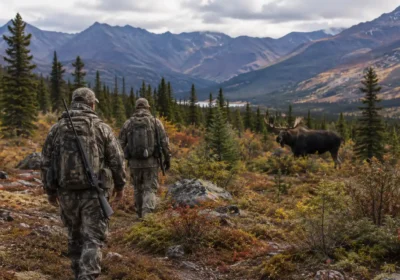




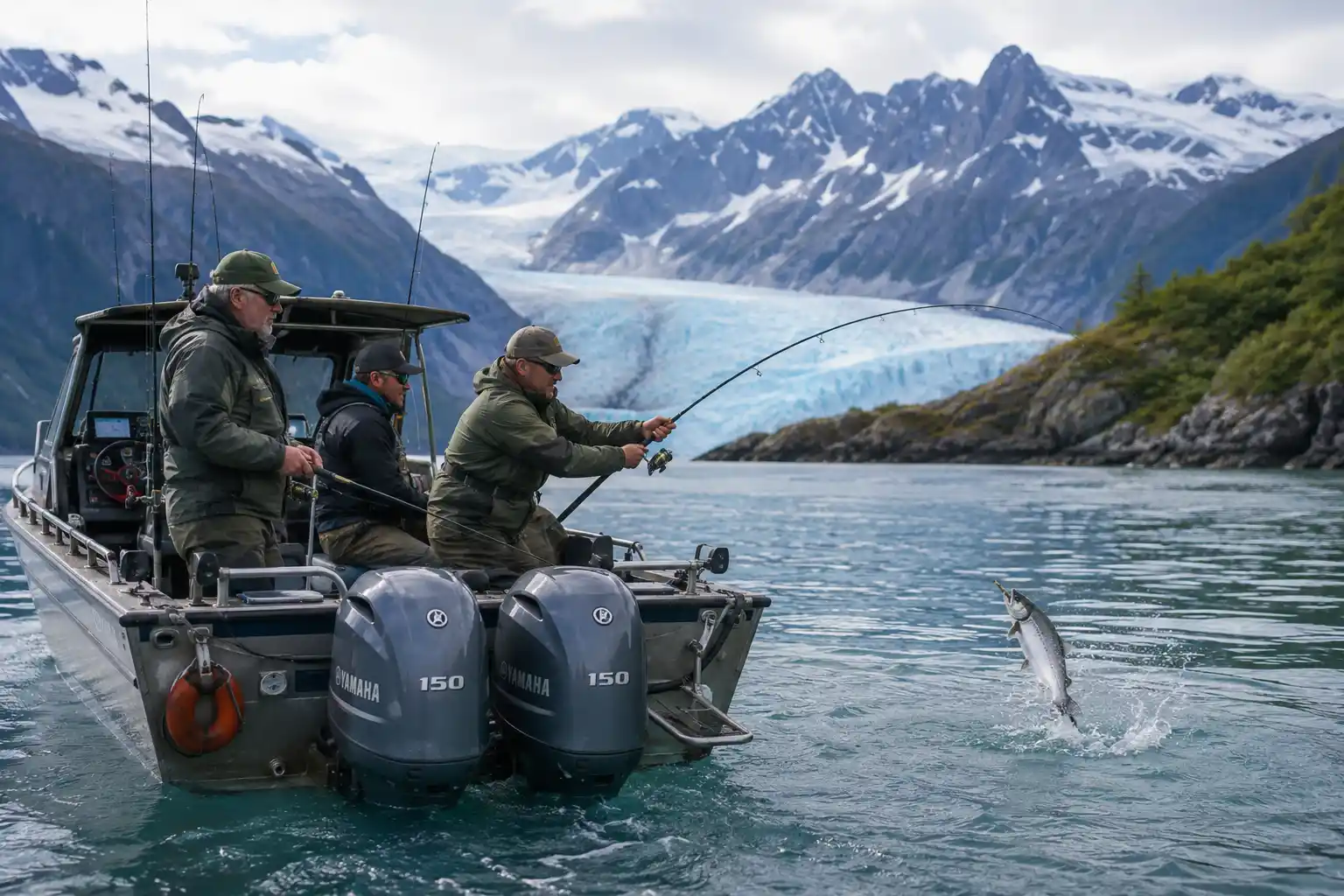
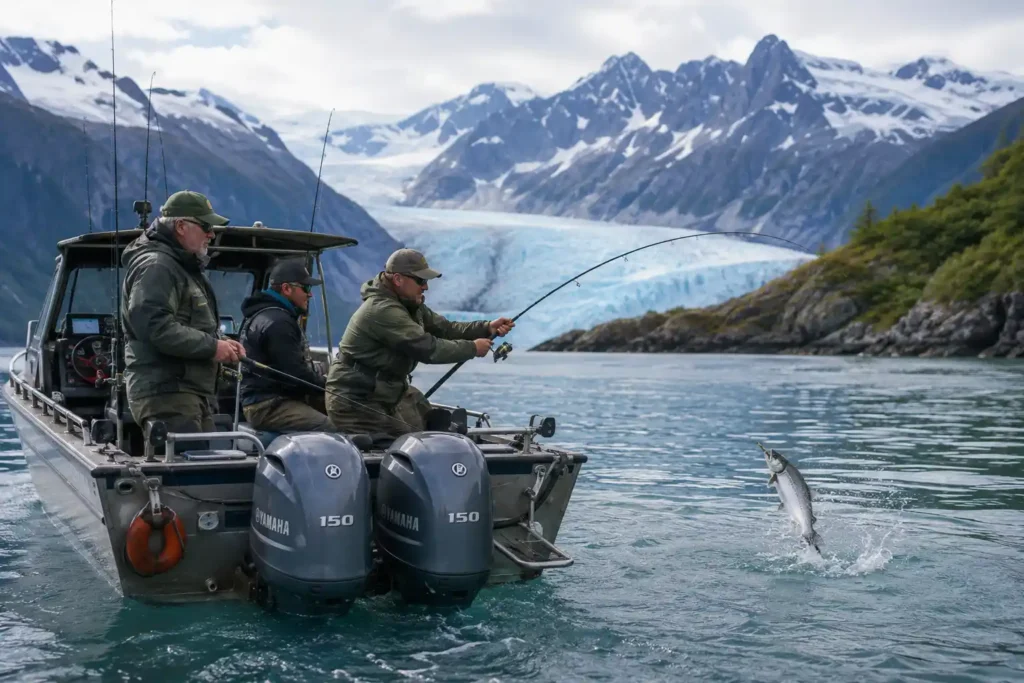
For many anglers, Alaska is the absolute pinnacle of sport fishing. Known as “The Last Frontier,” its glacial rivers and nutrient-rich oceans are teeming with monster halibut, aggressive king salmon, acrobatic silver salmon, and massive lingcod. Whether you picture yourself casting a fly rod in the crystal-clear waters of the Kenai River or strapping into a fighting chair to haul up a 100-pound “barn door” halibut out of Homer, an Alaskan fishing trip is a bucket-list adventure.
But before you start packing your rain gear, you need to answer the most critical question: What is the actual Alaska fishing cost?
Budgeting for a fishing trip to Alaska is not a one-size-fits-all equation. The price gap between a DIY weekend staying in a public use cabin and a week-long stay at an all-inclusive luxury fly-in lodge is staggering—literally a difference of ten thousand dollars. The true cost depends entirely on the level of service you want, the species you are targeting, and whether you want your fish filleted, vacuum-sealed, and shipped home for you.
In this comprehensive 2026 budget guide, we will break down exactly how much you should expect to spend on an Alaskan fishing trip. We will look at daily charter rates, compare different lodging packages, and expose the hidden fees (like fish processing and licenses) that catch many first-time visitors completely off guard.
The Quick Overview: Typical 2026 Trip Costs
To give you an immediate idea of what you might spend, here is the honest range for a standard 5-to-7 day fishing trip to Alaska (per angler, excluding flights from your home state):
- The DIY Budget Angler: $1,500 – $2,500 (Public cabins, rental car, shore fishing)
- The Standard Guided Package: $3,000 – $4,500 (Comfortable lodge basecamp + 3 to 4 days of guided fishing)
- The Premium Multi-Species Package: $5,000 – $7,500 (Upscale lodge, daily private guides, fly-outs)
- The Luxury All-Inclusive Fly-In Lodge: $8,000 – $15,000+ (Remote wilderness access, gourmet dining, 1-on-1 guiding)
Ready to see what these packages actually look like? Explore our curated Fishing Tours Alaska to browse itineraries that match your budget.
The 4 Major Factors That Dictate Your Alaska Fishing Cost
Understanding why prices vary so wildly makes it much easier to decide where to splurge and where to save.
1. The Type of Fishing (Ocean vs. River)
The boat and the gear required dictate the price of your day on the water.
- River Salmon Fishing: Drifting down the Kenai or Kasilof rivers in a 20-foot powerboat or drift boat is generally the most affordable guided option. A full-day guided salmon trip usually costs between $250 and $350 per person.
- Ocean Halibut Charters: Heading out into the Gulf of Alaska from ports like Homer or Seward requires large, 30-to-40-foot twin-engine offshore vessels. The fuel burn is massive, and the gear is heavy-duty. A full-day halibut charter typically ranges from $375 to $450 per person.
- Long-Range Multi-Species Charters: If you want to travel 80 miles offshore to target halibut, lingcod, yelloweye, and rockfish all in the same day, expect to pay $450 to $600 per person.
2. Lodging and Meal Inclusions
Where you sleep and what you eat makes up the largest chunk of your bill.
If you rent an Airbnb in Soldotna and cook your own meals, you can keep your lodging costs under $150 a night. However, most traveling anglers opt for fishing lodges. A standard lodge package usually runs $3,000 to $4,500 for a 5-night stay. This price typically includes your bed, breakfast, a packed lunch for the boat, and 3 or 4 days of guided fishing charters. You are usually responsible for buying your own dinners in town.
3. Transportation and Access
How hard is it to get to the fish?
If you can drive to the boat launch from Anchorage in a rental car, your costs remain relatively low. However, the biggest, most aggressive fish are often found in waters with zero road access. Adding a float-plane fly-out to a remote lake or river to fish amongst brown bears will add $500 to $800 per person to your daily cost.
4. Seasonality
Alaska’s fishing season is incredibly short, running primarily from late May through early September.
- Peak Season (July): This is when the massive runs of Sockeye and King salmon enter the rivers. Demand is at its highest, and lodge prices peak.
- Shoulder Season (May or September): You can often find discounts of 15% to 20% by fishing early for halibut and early-run Kings, or fishing late for Silver (Coho) salmon.
Hidden Costs Every Angler Must Budget For
Many anglers book a $3,500 Alaska fishing package, fly into Anchorage full of excitement, and assume the hard part is over. Then reality hits. Suddenly, there are extra charges for licenses, fish processing, baggage fees, gratuities, rental cars, and harbor permits. By the end of the trip, many travelers discover they spent thousands more than they originally planned.
This is one of the biggest mistakes first-time Alaska anglers make in 2026: they focus only on the advertised package price instead of the true total trip cost.
A fishing lodge or charter may look affordable on paper, but once the hidden expenses stack up, your “budget trip” can quickly become far more expensive than expected.
To avoid unpleasant surprises, here are the most important hidden costs every Alaska angler should budget for before booking.
1. Non-Resident Fishing Licenses and Stamps ($50 – $150+)
Every non-resident angler in Alaska must purchase an official Alaska Department of Fish and Game (ADF&G) fishing license before legally fishing.
This is mandatory regardless of whether you are:
- Fishing independently
- Booking a guided charter
- Staying at an all-inclusive lodge
- Fishing rivers or saltwater
The cost depends on the duration of your stay.
Typical 2026 license pricing:
- 1-Day License: Around $25
- 3-Day License: Around $45
- 7-Day License: Around $70
- 14-Day License: Around $110
If your target species includes King (Chinook) Salmon, you must also purchase a separate King Salmon Stamp.
Estimated 2026 King Salmon Stamp Costs:
- 1-Day Stamp: Around $15
- 3-Day Stamp: Around $30
- 7-Day Stamp: Around $45
- Annual Stamp: $100+
Many first-time anglers overlook this entirely and only realize it when they arrive at the dock or lodge.
Harbor Fees and Conservation Charges
In several popular fishing ports, additional local harbor or conservation fees are now common.
These may include:
- Halibut conservation fees
- Harbor access fees
- Dock maintenance fees
- Fishery sustainability charges
While these are usually small individually ($10–$25 per day), they add up quickly over a week-long trip.
Always ask your charter operator:
“Are all local fees included in the package price?”
You would be surprised how often the answer is no.
2. Fish Processing and Shipping ($200 – $600+)
Catching fish is only half the equation.
The real challenge begins when you need to bring your catch home.
After a successful week in Alaska, many anglers leave with:
- 50–150 pounds of salmon
- Large halibut fillets
- Vacuum-sealed seafood boxes
Unless your lodge explicitly includes fish processing, you will need to pay a commercial processor.
What Fish Processing Includes
Professional processors usually handle:
- Filleting
- Skinning
- Portioning
- Vacuum-sealing
- Flash-freezing
- Boxing for airline transport
This service preserves freshness and ensures your catch survives the trip home safely.
Typical 2026 Processing Costs
Most processors charge by incoming weight.
Average rates:
- $1.50 – $2.50 per pound
- Premium vacuum sealing may cost more
- Smoking or specialty cuts increase pricing further
If you catch a large amount of fish, processing costs escalate rapidly.
For example:
100 pounds of fish × $2.25/lb = $225 processing bill
And that is before shipping.
Airline Box Fees
Frozen fish must be packed properly for travel.
Most anglers buy:
- Airline-approved insulated seafood boxes
- Waxed fish containers
- Styrofoam-lined coolers
Typical costs:
- $20–$40 per box
Large catches may require multiple containers.
Shipping vs. Checked Baggage
You usually have two choices:
Option 1: Check Fish as Airline Luggage
Pros:
- Cheaper
- Faster access once home
Cons:
- Extra baggage fees
- Airline weight restrictions
- Risk of delays
Estimated costs:
- $50–$100 per box depending on airline and weight
Option 2: Overnight Shipping
FedEx or UPS overnight seafood shipping is popular but expensive.
Typical pricing:
- $250–$500+ per shipment
Shipping from remote Alaska towns increases the cost significantly.
The Mistake Many Anglers Make
Many travelers assume:
“I’ll just carry the fish home.”
Then they realize:
- Their airline charges overweight fees
- Their boxes exceed size limits
- Multiple connecting flights complicate transport
Always factor fish transport into your trip budget early.
3. Gratuities for Guides and Staff ($300 – $600+)
Tips are a standard part of Alaska fishing culture.
Professional captains, deckhands, guides, and lodge staff rely heavily on gratuities during the short summer season.
Unfortunately, many first-time visitors underestimate how much tipping is expected.
Charter Boat Tipping Standards
Industry-standard tipping in 2026:
15%–20% of charter cost
For example:
If your halibut charter costs:
$400 per person
A normal gratuity would be:
- $60–$80 per guest
For multi-day trips, this quickly becomes substantial.
Lodge Staff Tipping
At fishing lodges, you should also budget tips for:
- Housekeeping staff
- Kitchen staff
- Dock crews
- Fish processors
- Shuttle drivers
Some premium lodges provide tipping envelopes or suggested amounts at checkout.
Why Tipping Matters
Great Alaska guides do much more than “drive the boat.”
They:
- Untangle lines
- Clean fish
- Handle bait
- Monitor weather
- Navigate dangerous tides
- Teach techniques
- Ensure guest safety
A hardworking guide can completely transform your trip.
Good gratuities are both appreciated and expected.
4. Rental Cars and Fuel ($600 – $1,200+)
If you plan to fish the Kenai Peninsula or other road-accessible destinations, transportation becomes a major hidden expense.
Most anglers fly into:
Anchorage
Then drive south to fishing towns like:
- Soldotna
- Homer
- Seward
- Kenai
Rental Car Prices in Alaska
Summer rental cars in Alaska are notoriously expensive because:
- Tourist demand is massive
- Inventory is limited
- Peak season is short
In 2026, expect:
- $120–$250 per day for midsize vehicles
- SUVs and trucks cost even more
For a week-long trip, rental costs alone can exceed:
$1,000+
Fuel Costs
Gasoline prices in Alaska are consistently above the U.S. national average.
Long-distance driving adds up quickly.
Example routes:
- Anchorage to Homer: ~225 miles
- Anchorage to Seward: ~125 miles
- Anchorage to Soldotna: ~150 miles
If you are towing gear, running coolers, or driving remote roads, fuel expenses increase further.
Parking and Harbor Fees
Some ports and marinas charge additional:
- Parking fees
- Boat launch fees
- Harbor access charges
These smaller expenses gradually stack up over the trip.
5. Weather Delays and Backup Expenses
Alaska weather is unpredictable.
Storms can cancel:
- Ocean charters
- Bush flights
- Floatplane transfers
- Ferry schedules
If weather delays your departure, you may suddenly need:
- Extra hotel nights
- Additional meals
- Rebooked flights
- Airport transportation
Always keep an emergency buffer in your budget.
Experienced Alaska travelers recommend setting aside:
$500–$1,000
for unexpected logistical issues.
6. Gear Purchases and Forgotten Equipment
Even experienced anglers often realize they forgot critical items after arriving.
Common last-minute purchases include:
- Rain gear
- Waterproof gloves
- Waders
- Coolers
- Rod tubes
- Hooks and tackle
- Motion sickness medication
Buying gear in remote Alaska towns is usually far more expensive than buying it at home.
Final Advice: Budget Realistically
The true cost of an Alaska fishing trip is rarely just the package price advertised online.
A “$3,500 trip” can realistically become:
$5,000–$7,000+
after adding:
- Licenses
- Fish processing
- Shipping
- Tips
- Transportation
- Hotels
- Gear
- Emergency costs
This does not mean Alaska fishing is overpriced.
It simply means proper planning matters.
The anglers who enjoy Alaska the most are usually the ones who arrive fully prepared financially, logistically, and mentally.
When you budget realistically from the beginning, you eliminate stress and can focus entirely on what matters most:
Landing world-class fish in one of the greatest wilderness destinations on Earth.
3 Tips to Save Money on Your Alaska Fishing Trip
If you want to experience the Last Frontier without draining your savings, use these strategies:
- Form a Group of 4 to 6: Most river drift boats hold 4 anglers, and most ocean charters hold 6. If you book the entire boat with your friends or family, captains will often offer a “private boat” discount compared to buying 4 individual seats.
- Target Silver (Coho) Salmon in August/September: King salmon get all the glory, but their runs have been struggling, leading to emergency closures. Silver salmon run later in the summer, are incredibly aggressive, fight hard, and taste amazing. Because they run slightly past the July peak, you can often secure better lodging rates.
- Mix Guided Days with DIY Fishing: You do not need a guide every single day. Book a professional charter for two days to fill your freezer with halibut and learn the river currents. Then, spend your remaining days doing “combat fishing” from the public shorelines of the Kenai or Russian rivers for red (sockeye) salmon for the mere cost of your fishing license.
Conclusion: Investing in the Ultimate Angling Adventure
Yes, the Alaska fishing cost is substantial. By the time you factor in your flights, a comfortable lodge, a few days of guided charters, and the cost to ship your fillets home, you are making a significant financial investment.
However, you are paying for access to one of the last truly wild fisheries on the planet. The thrill of feeling a 50-pound king salmon snap a rod tip down, or seeing a pod of orcas breach next to your boat while reeling in a halibut, are moments that you simply cannot put a price tag on. Furthermore, you will return home with hundreds of dollars worth of the highest quality, wild-caught organic seafood available anywhere in the world.
If you are ready to stop dreaming and start planning your Alaskan adventure, head back to our main Extreme Travel to explore our vetted lodge partners and build the perfect itinerary for your budget.