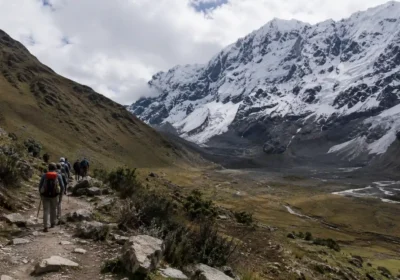
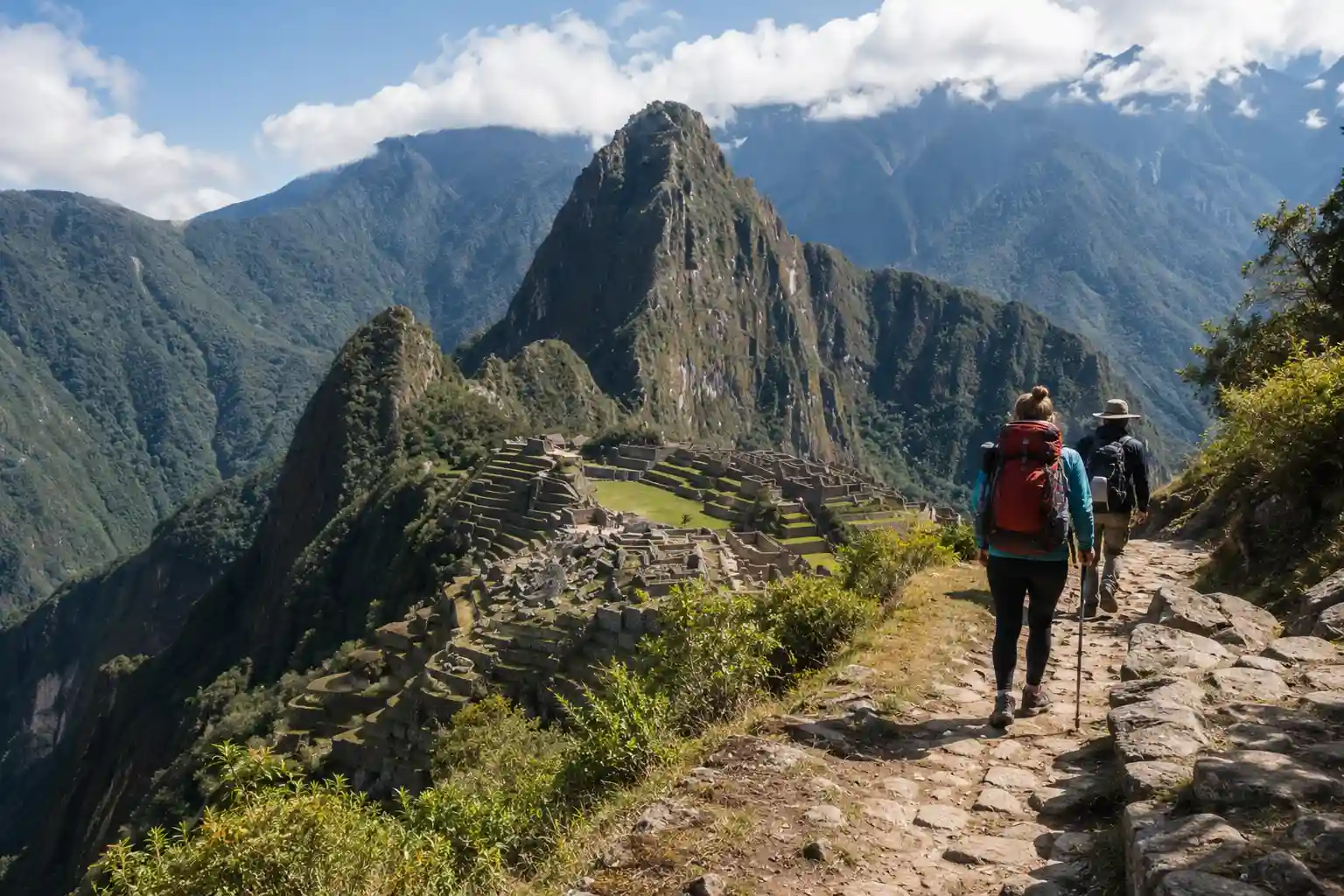
Peru is a global paradise for hikers. From the legendary stone-paved steps of the classic Inca Trail to the dramatic, snow-capped alpine passes of the Salkantay Trek and the remote mountain circuits of the Cordillera Huayhuash, the country offers some of the most spectacular trekking routes on Earth.
But if you are in the planning phases of an Andean adventure, one critical question stands out: What is the actual Peru trekking cost?
Budgeting for a trek in Peru isn’t as simple as buying a plane ticket and showing up at the trailhead. Depending on the route you choose, you have to account for strict government permit fees, mandatory guide regulations, porter or pack-mule logistics, equipment rentals, acclimatization days, and train tickets back from Machu Picchu. A budget backpacker roughing it on an independent trek will have a vastly different expense sheet than a traveler booking an all-inclusive luxury trekking lodge experience.
In this comprehensive 2026 guide, we will break down every expense that impacts your Peru trekking budget, compare the costs of the most popular routes, uncover hidden fees, and share practical tips to help you get the most value out of your money.
The Quick Overview: Average Costs per Trek
Before we dive into the specific details, here is a quick baseline reference of what you can expect to pay for a standard, fully supported group trekking tour in Peru per person:
- Classic Inca Trail (4 Days / 3 Nights): $650 – $950 (Permit & train included)
- Salkantay Trek (5 Days / 4 Nights): $350 – $600
- Lares Trek (4 Days / 3 Nights): $500 – $750
- Choquequirao Trek (5 Days / 4 Nights): $450 – $700
- Cordillera Huayhuash Circuit (10–12 Days): $1,200 – $1,800
To browse fully vetted itineraries that balance exceptional guiding with reliable pricing, explore our dedicated Trekking in Peru.
The 6 Major Factors That Impact Your Peru Trekking Budget
To understand why prices vary so wildly between routes, you need to understand the main driving factors behind the costs.
1. Government Permits and Regulations
The single biggest variable for Peru trekking costs is government regulation.
- The Inca Trail Exception: The classic Inca Trail is strictly protected by the Peruvian government. Only 500 permits are issued per day (and roughly 300 of those go to guides, porters, and cooks). Because of this high demand and limited supply, the permit fee alone makes up a massive portion of the trip cost. You cannot hike the Inca Trail independently; you must go through a licensed agency.
- Alternative Treks: Routes like Salkantay, Lares, or Ancascocha do not require competitive government permits. You only need to pay local community entry fees (usually around $10–$20) along the trail, making them significantly cheaper options.
2. Machu Picchu Entry and Return Logistics
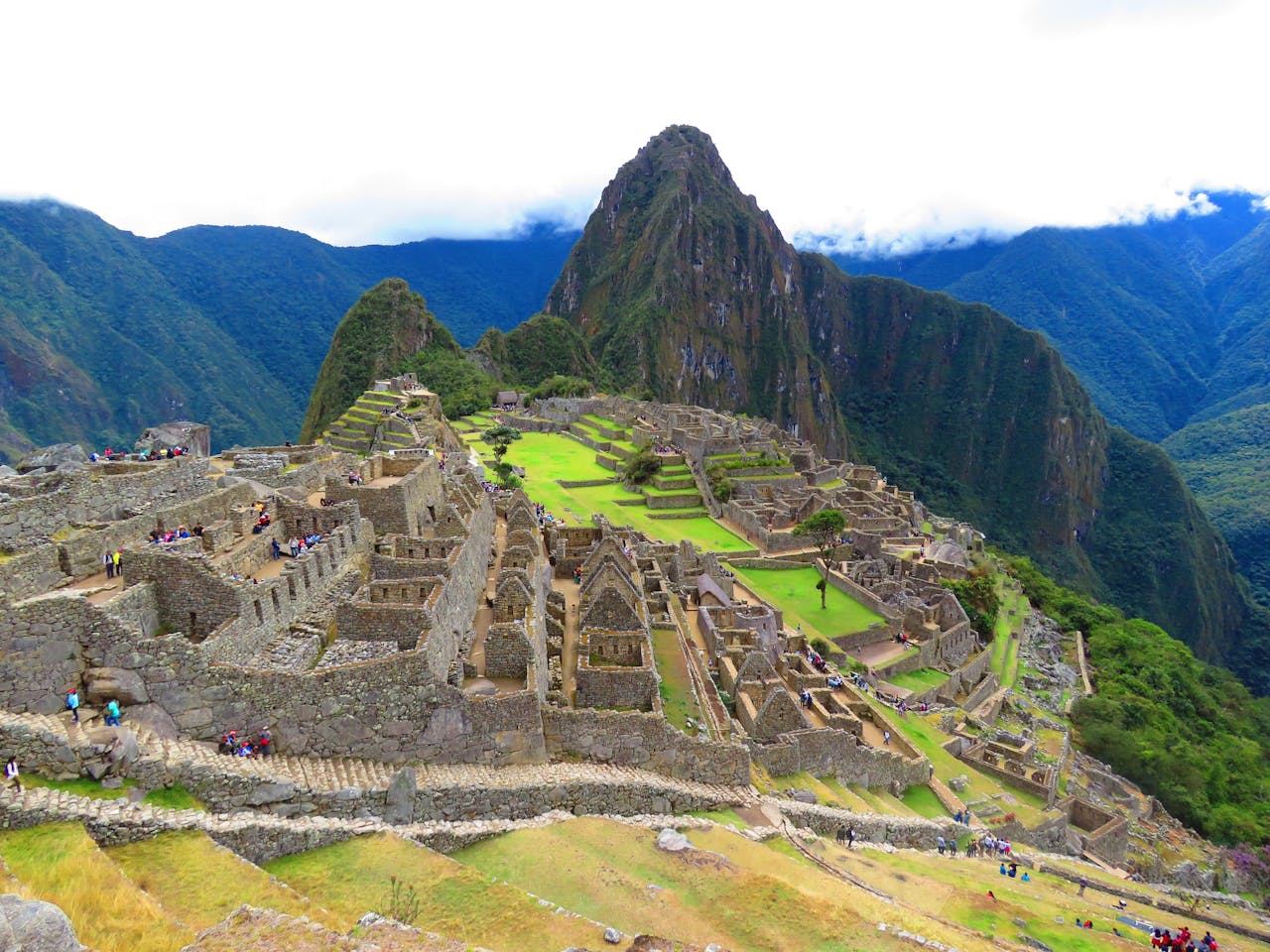
Most treks in the Cusco region culminate at Machu Picchu. Getting back to Cusco from the ancient citadel is a complex logistical process that adds a fixed cost to almost every trek.
- Machu Picchu Ticket: Standard entry tickets cost roughly $45–$50. If you want to climb Huayna Picchu or Machu Picchu Mountain for an overhead view, you must pay an extra $20 (and book months in advance).
- The Expedition/Vistadome Train: There are no roads out of Aguas Calientes (Machu Picchu town). You must take a train (PeruRail or Inca Rail) back to Ollantaytambo, which costs between $60 and $110 one way for a standard tourist cabin.
- The Bus: The shuttle bus linking the ruins of Machu Picchu to the town of Aguas Calientes costs $12 each way ($24 round trip).
When looking at cheap trekking tours, always check if these train tickets, bus fares, and entrance fees are included in the upfront price.
3. Group Size: Pool Service vs. Private Tours
When booking a trek, you will generally choose between two service models:
- Pooled (Group) Service: You join a group of 8 to 15 other travelers. You share the guide, the kitchen staff, and the camp crew. This is the most economical way to trek in Peru.
- Private Service: You hire a dedicated guide, chef, and porters exclusively for your party. This allows you to set your own pace and enjoy private dining tents, but it increases the per-person cost dramatically, especially for solo travelers or couples.
For a breakdown of the highest-rated group adventures available this season, head over to our Best Trekking Tours.
4. Porters, Horsemen, and Pack Animals
In Peru, heavy camping gear, propane tanks, and fresh food are carried along the trail for you. However, how they are carried depends on the route.
- On the Inca Trail: Pack animals are strictly banned to prevent trail erosion. Everything must be carried on the backs of human porters. Out of ethical and legal necessity, regulations mandate minimum wages, insurance, and weight limits for porters, which adds to the overall operational cost.
- On Alternative Trails: On the Salkantay or Lares treks, horses, mules, and llamas are allowed. A single horseman with a team of mules can carry the gear for an entire group, which keeps the operational costs—and your tour price—much lower.
5. Comfort Level and Accommodation
Trekking doesn’t always mean shivering in a freezing dome tent. The level of comfort you choose dictates the price:
- Standard Camping: High-quality, four-season tents, a communal dining tent with tables and chairs, and basic foam sleeping mats.
- Glamping / Luxury Trekking: Large walk-in tents with raised cots, real pillows, fleece blankets, hot water bottles for your feet at night, and private chemical portable toilets.
- Lodge-to-Lodge Trekking: Available on premium Salkantay itineraries, you skip tents entirely and spend your nights in luxury mountain lodges complete with hot tubs, fine wines, and comfortable beds. These tours can easily cost $2,500 to $4,000+ for a 5-day trek.
6. Off-Season vs. Peak Season
The dry season in the Andes runs from May to September, which coincides with peak global vacation months. During these months, prices for flights, hotels, and private tours hit their highest levels. If you travel during the shoulder seasons (April or October), you can often find discounts on tours and accommodations, though you risk running into occasional mountain rain.
Cost Breakdown of the 3 Most Popular Peru Treks
Let’s look at what you get for your money on the three most popular routes in Peru.
1. The Classic Inca Trail (4 Days / 3 Nights)
- Average Cost: $750
- What’s Included: High-end agencies include pick-up from your Cusco hotel, private bus to the trailhead, all park permits, certified bilingual guide, porters to carry up to 6–7kg of your personal gear, all meals prepared by a professional chef, camping equipment, entry to Machu Picchu, the bus down to Aguas Calientes, and the Expedition train return ticket to Cusco.
2. The Salkantay Trek (5 Days / 4 Nights)
- Average Cost: $450
- What’s Included: This trek takes you past the stunning Humantay Lake and under the massive Salkantay peak. Because there are no expensive permits and horses carry the heavy gear, it offers phenomenal value. Most mid-range group tours include transportation, guides, horsemen, meals, mountain sky-domes or tents for the first two nights, a basic hostel or hotel in Aguas Calientes on night four, and your return train/bus logistics from Machu Picchu.
3. The Cordillera Huayhuash Circuit (10 Days)
- Average Cost: $1,400
- What’s Included: Based out of Huaraz rather than Cusco, this is an alpine epic that passes multiple turquoise glacial lakes. The cost covers private transport to the remote trailhead, donkey drivers and donkeys to carry all equipment, a cook, comprehensive mountain meals for 10 days, emergency oxygen, and multiple community entrance fees along the route. It does not include a Machu Picchu ticket, as it is a pure wilderness circuit.
Crucial Hidden Costs to Factor In
When setting up your Peru trekking budget, make sure you don’t overlook these essential extra expenses:
Gear Rental ($50 – $100)
If you don’t want to fly across the world with a heavy winter sleeping bag or trekking poles, you can rent them easily in Cusco or Huaraz.
- Sleeping Bag (-10°C rated): ~$25 – $30 for a 4-day trek.
- Trekking Poles (Pair with rubber tips): ~$15 – $20 for a 4-day trek.
- Air Mattress (Thermarest style): ~$15 – $20 for a 4-day trek.
Tipping the Crew ($60 – $100 total)
Tipping is a deeply ingrained custom on Peruvian treks. At the end of the hike, the group pool funds together to thank the porters/horsemen, the cook, and the guide. While voluntary, it is expected for good service. A typical guideline per passenger across a 4-day trek is:
- Porters/Horsemen: $20 – $30 total (split among the crew)
- Chef: $15 – $20 total
- Guide: $15 – $25 per day from the group
Acclimatization Days ($100 – $200)
You must spend at least 2 to 3 days in Cusco (3,400m) or Huaraz (3,050m) before starting your trek to prevent altitude sickness. You will need to budget for hotel nights, meals, and casual day-tours (like Sacred Valley or Rainbow Mountain) during these preparatory days.
3 Tips to Keep Your Peru Trekking Costs Low
- Book Alternative Routes Locally (If Flexible): If you aren’t doing the Inca Trail, you don’t necessarily have to book your Salkantay or Lares trek a year in advance. If you have a few days to spare, you can arrive in Cusco, walk around the Plaza de Armas, and compare last-minute openings with local operators. You can often secure a basic group Salkantay trek for under $300 this way. Warning: Do not try this for the Inca Trail, which sells out 4–6 months in advance.
- Bring Your Own Worn Gear: Always pack your own broken-in hiking boots, high-quality waterproof jacket, and thermal base layers. Renting technical clothing locally can be hit-or-miss regarding quality, and buying name-brand outdoor gear in Peru is subject to high import taxes.
- Choose the Hydroelectric Walk Option: For budget Salkantay treks, you can opt out of the expensive train ride back to Cusco. Instead, you can walk 3 hours along the flat train tracks from Aguas Calientes to the Hydroelectric station, where a local collectivo (shared mini-bus) can take you back to Cusco for roughly $15–$20. It adds physical effort but saves substantial money.
Conclusion: An Investment in a Lifetime Memory
While the Peru trekking cost can seem daunting when you add up all the moving pieces, it remains one of the highest-value adventure travel experiences in the world. The sheer scale of the Andes, the rich history of the Inca civilization, and the flawless logistics provided by local crews mean every dollar spent transforms into an unforgettable memory.
Ready to find the perfect path through the Andes? Head back to our main Trekking in Peru to compare trails, check seasonal availability, and start planning your high-altitude escape today.