Deciding to go on an African safari is easy. Deciding where to go is the hard part.
Africa is a massive, incredibly diverse continent, and the safari experience changes drastically from one border to the next. The rolling, golden savannas of East Africa offer a completely different adventure than the lush, water-logged channels of Botswana or the rugged, red deserts of Namibia.
If you are beginning to plan your 2026 adventure, searching for the “top safari destinations” can feel overwhelming. Should you prioritize seeing the Great Wildebeest Migration? Are you hoping to track rare mountain gorillas on foot? Or are you traveling with a multi-generational family that requires luxury lodges, easy flights, and malaria-free zones?
At WeGoExplore365, we believe that the best safari destination is the one that perfectly aligns with your specific wildlife goals, your budget, and your travel style. To help you narrow down the map, we have compiled the definitive guide to the top safari destinations in Africa for 2026.
1. Tanzania: The Classic “Out of Africa” Experience
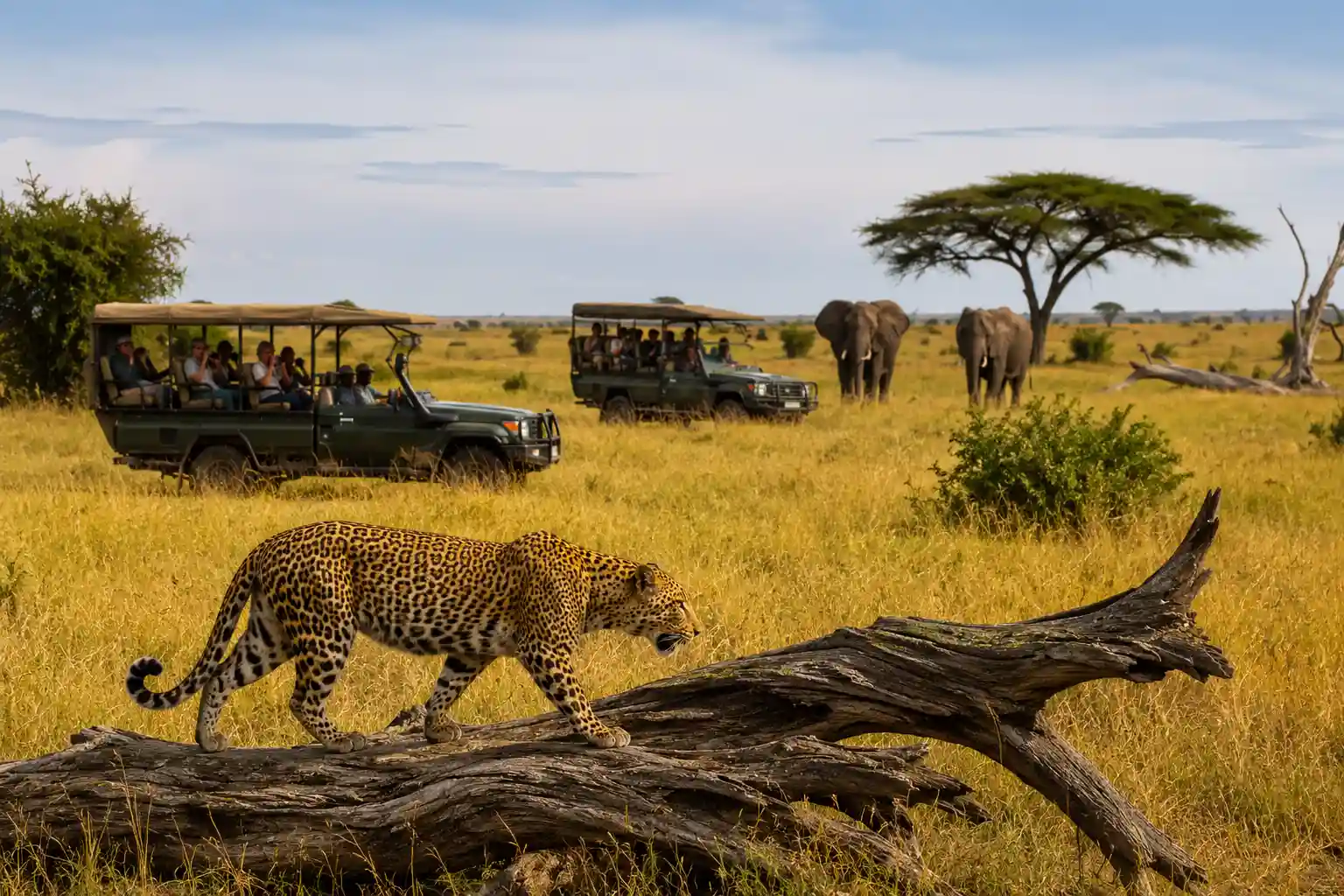
If you close your eyes and picture a traditional African safari, you are likely picturing Tanzania. This East African nation dedicates more than a third of its land to national parks and conservation areas, resulting in arguably the highest concentration of wildlife on the planet.
The Serengeti National Park
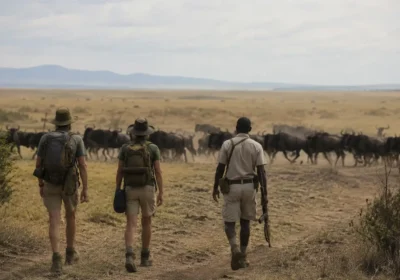
The Serengeti is the crown jewel of Tanzania. It is vast, flat, and famous for its massive predator populations. Most importantly, it is the primary stage for the Great Wildebeest Migration, where over two million herbivores move across the plains in a continuous search for fresh grass.
The Ngorongoro Crater
Often described as a “wildlife bowl,” this massive volcanic caldera acts as a natural enclosure for thousands of animals. Because the wildlife here does not migrate, you have an incredibly high chance of spotting the Big Five (lion, leopard, rhino, elephant, and buffalo) in a single afternoon.
The Southern Parks (Ruaha & Nyerere)
While the northern circuit draws the crowds, Tanzania’s southern parks offer raw, untouched wilderness. Nyerere National Park (formerly the Selous) allows for thrilling boat safaris among massive hippo pods, while Ruaha offers rugged landscapes and enormous elephant herds with a fraction of the tourist vehicles.
- Who it is best for: First-time safari-goers, wildlife photographers, and anyone desperate to see the Great Migration.
- When to go: Timing is everything. Be sure to read our detailed guide on the Best time Tanzania to align your trip with the river crossings.
- Explore further: Dive into our customized itineraries on our Safari in Tanzania.
2. Kenya: Big Cats and Cultural Drama
Kenya shares the Great Migration with Tanzania, but it offers its own distinct flavor of adventure. It is the birthplace of the modern commercial safari and remains one of the most accessible and exciting destinations on the continent.
The Masai Mara National Reserve
The Masai Mara is essentially the northern continuation of the Serengeti. Between August and October, the migrating herds arrive here, braving the treacherous, crocodile-infested waters of the Mara River. The Mara is globally renowned for its astonishing density of big cats; it is not uncommon to see multiple lion prides, cheetahs, and leopards in a single day.
Amboseli National Park
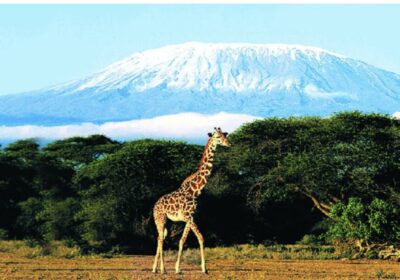
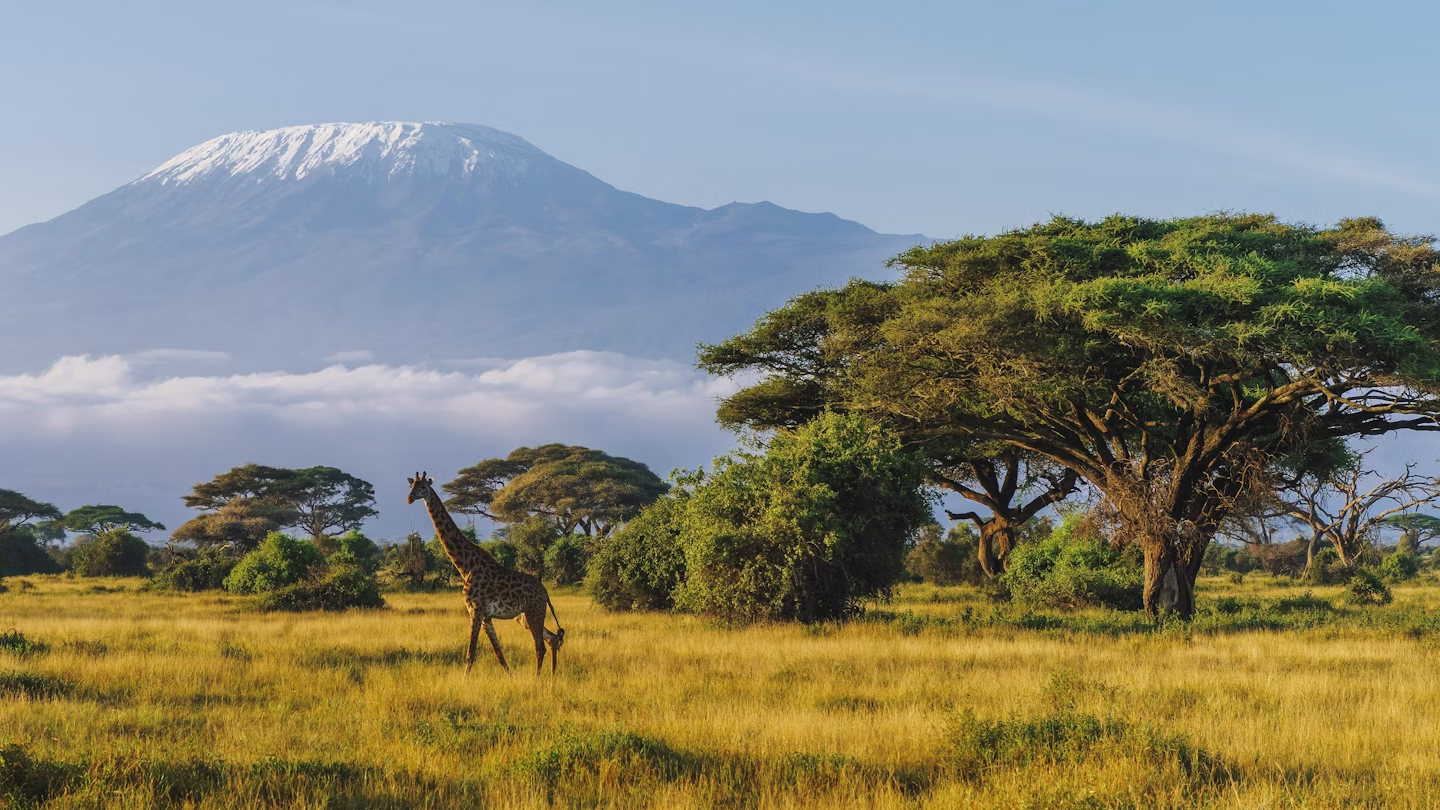
If you want the ultimate postcard photograph, Amboseli is the place to be. The park is famous for its massive herds of free-ranging elephants, all set against the breathtaking, snow-capped backdrop of Mount Kilimanjaro (which sits just across the border in Tanzania).
Private Conservancies
One of Kenya’s greatest strengths is its network of private conservancies surrounding the main national parks. Staying in a conservancy allows for night game drives, off-road driving, and guided walking safaris—activities that are strictly prohibited inside the national reserves. Furthermore, these areas offer profound, respectful cultural interactions with the indigenous Maasai people.
- Who it is best for: Big cat lovers, cultural enthusiasts, and travelers looking for easy flight connections into Nairobi.
- Explore further: Compare the best Kenyan and Tanzanian routes on our Best Safari Tours.
3. South Africa: Accessible, Diverse, and Family-Friendly
South Africa is often called “A World in One Country,” and for good reason. It offers the most diverse travel experience on the continent, allowing you to easily combine a world-class wildlife safari with wine tasting, coastal road trips, and vibrant city life in Cape Town.
Kruger National Park
Kruger is one of the largest game reserves in Africa. It features an incredibly well-maintained network of paved roads, making it the premier destination for independent travelers who want to rent a car and embark on a self-drive safari.
Sabi Sands and Private Reserves
For those seeking luxury, the private reserves bordering Kruger (like Sabi Sands or Timbavati) are legendary. Because there are no fences between these reserves and the national park, wildlife roams freely. Sabi Sands is particularly famous for having the most reliable leopard sightings in the world. Guides here can drive off-road to track animals through the brush, ensuring incredibly close encounters.
Malaria-Free Safaris
South Africa is the absolute best destination for families with young children or pregnant travelers because it offers several phenomenal malaria-free reserves, such as Madikwe Game Reserve and the parks in the Eastern Cape.
- Who it is best for: Families, multi-generational groups, luxury seekers, and those wanting to combine a safari with a broader vacation.
4. Botswana: Exclusive, Low-Volume Wilderness
Botswana operates on a strict “high-value, low-volume” tourism model. By limiting the number of camps and beds available, the government ensures that the wilderness remains pristine and uncrowded. While this makes Botswana one of the more expensive safari destinations, the exclusivity is unparalleled.
The Okavango Delta
The Okavango Delta is a UNESCO World Heritage site and a true geographical marvel. Rather than flowing into the ocean, the Okavango River spills into the Kalahari Desert, creating a massive, lush oasis. Safaris here are often water-based. You will glide silently through the reed-lined channels in a mokoro (a traditional dugout canoe), watching elephants bathe and brightly colored kingfishers dive for fish.
Chobe National Park
Located in the north, Chobe is known as the “Land of the Giants.” It is home to the largest surviving elephant population in the world (estimated at over 120,000). A sunset boat cruise along the Chobe River, watching hundreds of elephants swim across the channels, is a quintessential African experience.
- Who it is best for: Repeat safari-goers, honeymooners, and travelers with a premium budget seeking ultimate privacy.
5. Uganda & Rwanda: The Primate Encounter
If you want to step out of the 4×4 vehicle and experience something profoundly emotional, you need to head into the dense rainforests of Central-East Africa. Uganda and Rwanda are the undisputed capitals of primate safaris.
Mountain Gorilla Trekking
There are fewer than 1,100 mountain gorillas left in the wild, and they cannot survive in captivity. To see them, you must trek through thick, muddy jungle in either Uganda’s Bwindi Impenetrable Forest or Rwanda’s Volcanoes National Park. After hours of hiking, sitting just a few feet away from a 400-pound silverback as he watches you with striking, human-like intelligence is an experience that defies description.
Chimpanzee Tracking
In addition to gorillas, Uganda’s Kibale Forest offers the best chimpanzee tracking in the world. Listening to the deafening shrieks of a chimpanzee troop echoing through the canopy is thrilling and slightly terrifying.
- Who it is best for: Active travelers, adventure seekers, and wildlife purists.
6. Namibia: Desert Drama and Sculpted Landscapes
Namibia delivers a safari experience that looks like it belongs on another planet. It is defined by vast, open spaces, dramatic lighting, and wildlife that has miraculously adapted to survive in one of the harshest environments on Earth.
Etosha National Park
Etosha is dominated by a massive, shimmering salt pan that is so large it can be seen from space. During the dry season, the sparse vegetation forces animals to congregate around a few permanent waterholes. You don’t even need to drive around; you can simply park your vehicle by a waterhole and watch as a continuous parade of lions, giraffes, desert elephants, and endangered black rhinos come down to drink.
Sossusvlei and the Skeleton Coast
While not traditional safari destinations, no trip to Namibia is complete without climbing the towering, red sand dunes of Sossusvlei or taking a scenic flight over the desolate, shipwreck-strewn Skeleton Coast.
- Who it is best for: Photographers, independent self-drivers, and travelers who value striking landscapes just as much as wildlife.
7. Zambia & Zimbabwe: Raw Wilderness and Walking Safaris
For safari purists who want to leave the Wi-Fi behind and truly connect with the bush, Zambia and Zimbabwe offer an authentic, slightly rugged, and deeply rewarding experience. Both countries share the majestic Victoria Falls, making for a spectacular starting or ending point for any itinerary.
South Luangwa (Zambia)
Zambia is the birthplace of the commercial walking safari. In South Luangwa National Park, expert guides and armed scouts lead you on foot through the bush. You learn to read animal tracks, understand the medicinal uses of local plants, and feel the adrenaline of walking in the same territory as apex predators.
Hwange and Mana Pools (Zimbabwe)
Zimbabwe is universally recognized as having the most rigorously trained and knowledgeable guides in Africa. Hwange National Park offers massive elephant herds and excellent value for money, while Mana Pools allows adventurous travelers to take multi-day canoe safaris down the Zambezi River, dodging hippos and crocodiles along the way.
- Who it is best for: Experienced safari-goers, adventure enthusiasts, and travelers looking for exceptional guiding and great value.
2026 Safari Trends: How We Are Traveling Now
As you plan your trip to these top safari destinations, keep in mind the major travel trends shaping the 2026 safari landscape:
- Regenerative Travel: Travelers are increasingly demanding that their tourism dollars actively improve the environment. The top lodges in 2026 are 100% solar-powered, eliminate single-use plastics, and demonstrate measurable financial support for local communities and anti-poaching units.
- Wellness in the Wild: The manic, rushing safari of the past is fading. Modern itineraries feature fewer lodge changes, longer stays, and dedicated time for “silent safaris,” spa treatments in the bush, and unhurried mornings.
- Multi-Generational Legacy Trips: Safaris are increasingly being booked as major family reunions. Lodges are adapting by offering private villas, specialized kids’ programs, and flexible game-drive schedules that cater to both grandparents and young children simultaneously.
Conclusion: Ready to Choose Your Path?
Africa is not a place you visit just once. Most travelers find that the “safari bug” is highly contagious; a trip to the savannas of Tanzania often leads to a return trip to the waterways of Botswana a few years later.
By understanding what each of these top safari destinations does best, you can build a 2026 itinerary that perfectly matches your wildest expectations.
Ready to stop dreaming and start packing? At WeGoExplore365, we take the guesswork out of African travel. Contact our team of experts today, or browse our main destination hubs to find the perfect starting point for your adventure.