Everest Base Camp Trek: Journey to the Roof of the World
Everest Base Camp Trek: One of the World’s Greatest Hiking Adventures
Few trekking experiences in the world capture the imagination quite like the Everest Base Camp trek. For decades, adventurers from every corner of the globe have dreamed of walking through the Himalayan valleys that lead to the base of the tallest mountain on Earth. Mount Everest, rising to 8,848 meters above sea level, stands as one of the most iconic natural landmarks on the planet.
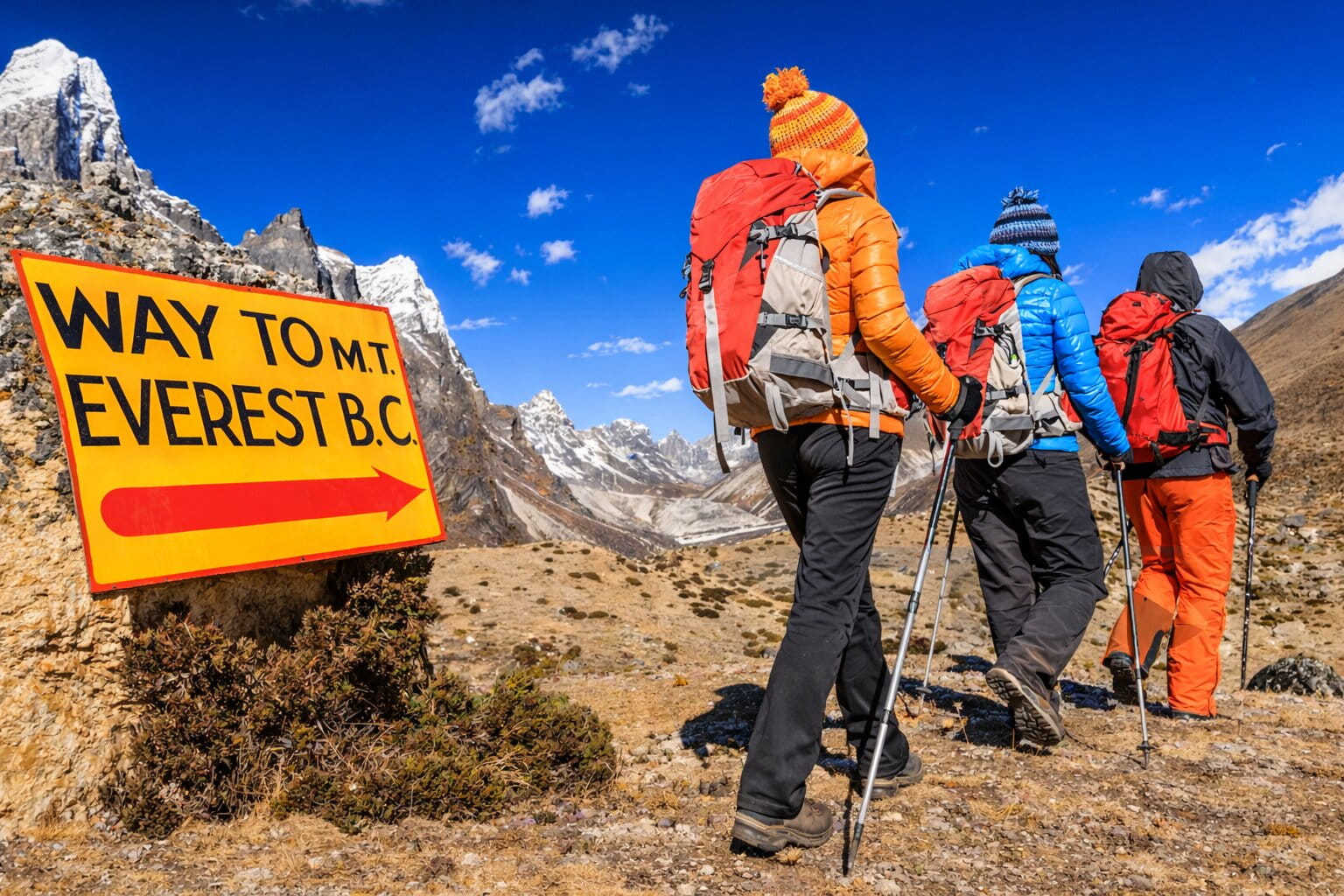
The Everest Base Camp trek is more than just a hike through mountains. It is a journey through one of the most dramatic landscapes on Earth and a deep cultural experience in the homeland of the Sherpa people. Trekkers travel through remote Himalayan villages, cross suspension bridges high above glacial rivers, and follow the same historic routes used by legendary mountaineers attempting to climb Everest.
For many travelers, reaching Everest Base Camp is not only a physical challenge but also a personal milestone. The trek offers a rare opportunity to experience the Himalayas up close without needing technical mountaineering skills. While climbing Everest itself requires years of preparation and extreme expertise, trekking to base camp allows adventurous travelers to witness the grandeur of the mountain in a much more accessible way.
The journey combines breathtaking scenery, fascinating cultural encounters, and the thrill of walking in one of the most famous mountain regions in the world.
The Route to Everest Base Camp
Most Everest Base Camp treks begin with one of the most exciting flights in the world — the short mountain flight from Kathmandu to Lukla. Lukla Airport is perched on a narrow ridge surrounded by towering peaks and is known as one of the most dramatic airstrips on Earth.
From Lukla, trekkers begin their gradual journey through the Khumbu Valley, following trails that wind through forests, villages, and mountain ridges.
Along the route, trekkers pass through several important villages and landmarks that have become famous among mountaineers and adventurers.
Key stops along the Everest Base Camp trekking route include:
• Namche Bazaar
• Tengboche Monastery
• Dingboche
• Lobuche
• Gorak Shep
• Everest Base Camp
Each of these locations plays an important role in the trekking journey.
Lukla to Namche Bazaar
The first days of trekking involve walking through lush mountain valleys filled with pine forests and rushing rivers. Trekkers cross several suspension bridges decorated with colorful prayer flags before reaching Namche Bazaar.
Namche Bazaar is the largest town in the Khumbu region and serves as the main gateway to Everest. Surrounded by towering peaks, this vibrant mountain town offers lodges, bakeries, gear shops, and stunning viewpoints overlooking the Himalayas.
Trekkers usually spend an extra day here to acclimatize to the increasing altitude.
Tengboche Monastery
Further along the trail lies Tengboche Monastery, one of the most important Buddhist monasteries in the Everest region. Located on a ridge with incredible views of Mount Ama Dablam, the monastery offers a peaceful and spiritual atmosphere.
Many trekkers attend a short prayer ceremony here, experiencing the deep spiritual traditions of the Sherpa people.
Dingboche and Lobuche
As trekkers climb higher into the mountains, the landscape becomes more rugged and alpine. Forests disappear and are replaced by rocky terrain and wide glacial valleys.
Villages such as Dingboche and Lobuche serve as important rest stops where trekkers adjust to the thin air before continuing toward Everest Base Camp.
Gorak Shep and Everest Base Camp
The final settlement before Everest Base Camp is the small outpost of Gorak Shep. From here, trekkers make the final push across rocky glacial terrain to reach Everest Base Camp itself.
Standing at the base of the Khumbu Icefall, trekkers finally arrive at the destination that has inspired generations of explorers.
Kala Patthar: The Best View of Everest
Although reaching Everest Base Camp is the main objective of the trek, many hikers consider the climb to Kala Patthar to be the true highlight of the journey.
Kala Patthar is a rocky viewpoint located above Gorak Shep at an altitude of approximately 5,545 meters. From this vantage point, trekkers enjoy one of the most famous panoramic views in the Himalayas.
The summit offers an unobstructed view of Mount Everest rising behind the massive Khumbu Glacier, alongside other towering peaks such as Nuptse and Pumori.
Watching the sunrise from Kala Patthar is one of the most unforgettable experiences in the entire Everest region.
Highlights of the Everest Base Camp Trek
The Everest Base Camp trek offers an incredible combination of natural beauty, cultural experiences, and adventure.
Some of the most memorable highlights of the trek include:
• breathtaking Himalayan mountain scenery
• ancient Buddhist monasteries and prayer wheels
• encounters with traditional Sherpa culture
• dramatic suspension bridges over deep valleys
• glaciers, icefalls, and high-altitude landscapes
Every day on the trail reveals new perspectives of the surrounding mountains. Trekkers walk beneath massive peaks such as Lhotse, Ama Dablam, Thamserku, and Everest itself.
The Everest region is also home to Sagarmatha National Park, a UNESCO World Heritage Site known for its rugged beauty and unique wildlife.
Trekkers may occasionally spot Himalayan animals such as:
• Himalayan tahr
• musk deer
• snow leopards (rare)
• Himalayan pheasants
The constantly changing landscape makes the trek feel like a journey through several different environments.
Altitude and Acclimatization
One of the most important aspects of the Everest Base Camp trek is managing altitude.
Everest Base Camp itself sits at an elevation of approximately 5,364 meters (17,598 ft) above sea level. At these heights, oxygen levels are significantly lower than at sea level, which means trekkers must take time to acclimatize properly.
To help prevent altitude sickness, most trekking itineraries include scheduled rest days in key locations such as:
• Namche Bazaar
• Dingboche
During these rest days, trekkers often take short hikes to higher elevations before returning to sleep at a lower altitude. This technique helps the body gradually adjust to the thinner air.
Proper acclimatization is essential for a safe and enjoyable trekking experience.
Trekkers are also encouraged to:
• stay well hydrated
• walk at a steady pace
• eat regularly
• avoid rapid altitude gain
Most people who follow proper acclimatization schedules complete the trek successfully.
Sherpa Culture and Himalayan Hospitality
One of the most fascinating aspects of the Everest Base Camp trek is the opportunity to experience Sherpa culture.
The Sherpa people are famous worldwide for their mountaineering skills and their long history of supporting Himalayan expeditions. However, beyond climbing, they have a rich cultural heritage shaped by Tibetan Buddhism and life in the high mountains.
Villages along the trekking route feature traditional stone houses, prayer flags, and small Buddhist stupas. Trekkers often pass spinning prayer wheels and carved mani stones inscribed with sacred mantras.
Local tea houses provide simple but comfortable accommodation along the trail. Inside these mountain lodges, trekkers gather around warm dining rooms, share stories, and enjoy traditional meals such as:
• dal bhat (lentils and rice)
• noodle soups
• momos (Nepalese dumplings)
The hospitality of the Sherpa people is one of the most memorable parts of the trekking experience.
Physical Challenge and Personal Achievement
Although the Everest Base Camp trek does not require technical climbing skills, it is still a physically demanding journey.
Trekkers typically walk 5 to 7 hours per day over mountainous terrain. The increasing altitude can also make the effort more challenging.
However, the pace of the trek is designed to allow gradual acclimatization. Most itineraries take 12 to 14 days to reach Everest Base Camp and return to Lukla.
For many travelers, completing the trek represents a powerful personal achievement. Standing beneath the world’s tallest mountain after days of trekking through the Himalayas is an emotional and unforgettable moment.
The experience often leaves trekkers with a deep sense of accomplishment and connection to the mountains.
Why Everest Base Camp Is So Popular
Despite the physical demands of the trek, Everest Base Camp continues to attract thousands of trekkers each year.
Several factors make it one of the most popular trekking adventures in the world.
First, the Everest region offers some of the most dramatic mountain scenery anywhere on Earth. The scale of the Himalayas is truly breathtaking.
Second, the trek provides a unique opportunity to walk through legendary mountaineering territory. Many of the trails follow routes used by historic Everest expeditions.
Third, the cultural experience adds depth to the journey. Interactions with Sherpa communities and visits to monasteries create a meaningful connection to the region.
Finally, the trek remains accessible to adventurous travelers without requiring technical climbing experience.
For these reasons, the Everest Base Camp trek has become one of the most iconic adventure travel experiences in the world.
A Journey Few Will Ever Forget
For travelers seeking an unforgettable Himalayan adventure, the Everest Base Camp trek stands as one of the greatest journeys on Earth.
Walking through the Khumbu Valley, surrounded by the towering peaks of the Himalayas, is an experience that leaves a lasting impression on everyone who makes the journey.
From the excitement of the Lukla flight to the quiet beauty of high-altitude valleys and the triumphant moment of reaching Everest Base Camp, the trek offers a rare combination of challenge, discovery, and wonder.
For many trekkers, it is not just a trip to the mountains — it is a journey to the very roof of the world.