Antarctica is one of the few places on Earth where timing completely changes the experience.
Unlike traditional destinations where “high season” simply means better weather and larger crowds, Antarctica transforms dramatically throughout the short polar summer. The continent evolves month by month — from frozen landscapes covered in pristine snow to wildlife-rich coastlines overflowing with penguins, whales, seals, and seabirds.
Because the Antarctic tourism season only lasts from approximately November through March, every single month offers a completely different expedition experience.
Some travelers dream of photographing untouched icebergs glowing under soft golden sunlight.
Others want to witness thousands of penguin chicks waddling around crowded rookeries.
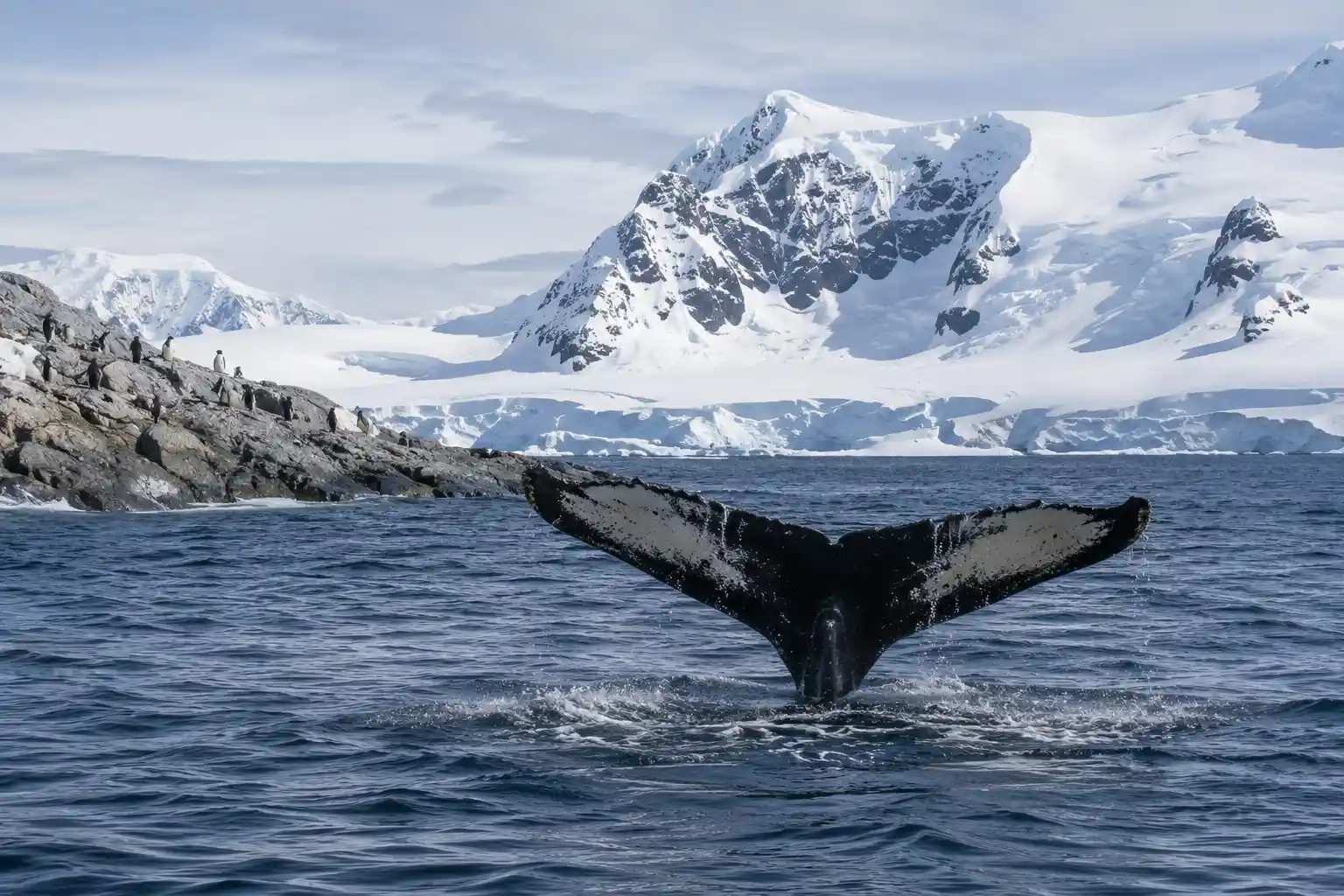
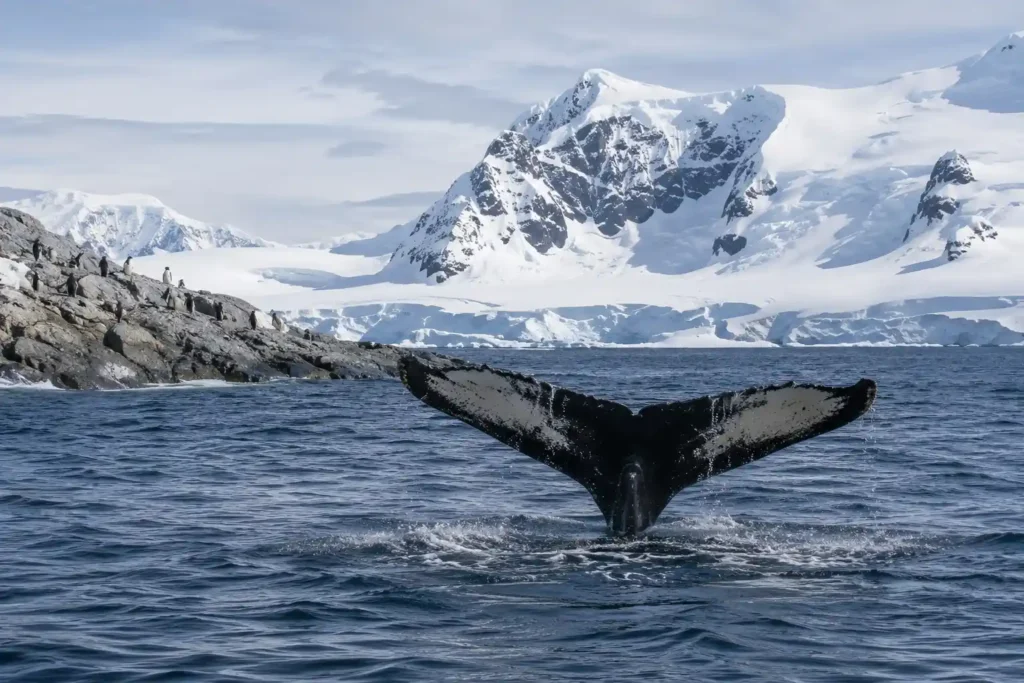
And some travelers specifically visit late in the season to experience massive humpback whales feeding aggressively in icy waters.
The reality is simple:
There is no universally “best” time to visit Antarctica.
The best time depends entirely on what you personally want to see and experience.
In this complete 2026 Antarctica seasonal guide, we break down the expedition calendar month-by-month so you can choose the perfect travel window for your dream voyage.
Understanding Antarctica’s Short Tourism Season
Antarctica only becomes accessible during the Southern Hemisphere summer.
Tourism season typically runs from:
- November through March
During the Antarctic winter:
- Sea ice becomes too thick
- Temperatures become dangerously cold
- Darkness dominates the region
- Storm systems intensify dramatically
This makes tourism operations nearly impossible.
During summer, however:
- Sea ice retreats
- Temperatures become manageable
- Wildlife becomes highly active
- Ships gain access to landing sites
Even then, Antarctica remains unpredictable.
Weather changes rapidly, and no two expeditions are ever identical.
Antarctica in November: The Pristine Ice Season
Overall Atmosphere
November feels untouched, wild, and incredibly photogenic.
This is the beginning of the Antarctic season.
The continent still carries the fresh appearance of winter, with enormous sea ice formations and untouched snowfields dominating the landscape.
For many photographers, November is the most visually dramatic month in Antarctica.
Why Iceberg Lovers Prefer November
If your dream involves towering sculptural icebergs and endless white landscapes, November is arguably the best time to visit.
The ice remains massive and pristine because summer melting has barely begun.
You will often encounter:
- Thick pack ice
- Frozen bays
- Jagged glacier formations
- Brilliant snow-covered coastlines
This creates the classic “frozen Antarctica” look many travelers imagine.
Wildlife Activity in November
Wildlife becomes highly active during early summer.
Penguins begin:
- Courtship rituals
- Nest building
- Territorial behavior
One of the funniest things visitors witness is penguins stealing stones from neighboring nests.
Meanwhile:
- Elephant seals battle for territory
- Seabirds return to nesting grounds
- Whales begin reappearing offshore
Photography Advantages
November offers softer lighting conditions because the sun remains lower in the sky.
This creates:
- Long golden hours
- Rich shadows
- Better contrast
- Dramatic landscape opportunities
Professional photographers often prioritize November for this reason.
Downsides of November Travel
The main tradeoff is accessibility.
Heavy sea ice may prevent ships from reaching some southern regions.
Certain landing sites may remain inaccessible early in the season.
Temperatures also feel colder compared to January or February.
Antarctica in December: The Beginning of Peak Season
Overall Atmosphere
December marks the transition into Antarctica’s busiest season.
Conditions become more stable, wildlife activity increases, and daylight stretches endlessly across the continent.
The environment feels alive and energetic.
Penguin Activity Intensifies
Penguin colonies become extremely active during December.
Egg-laying season begins, and nesting sites become crowded with activity.
Travelers can observe:
- Nest building
- Mating behavior
- Territorial disputes
- Chick incubation
Penguin rookeries become incredibly noisy and chaotic in the best possible way.
Weather Improves
Compared to November:
- Temperatures rise slightly
- Snowstorms become less frequent
- Sea conditions often stabilize
This generally improves landing opportunities.
Near-Constant Daylight
One of Antarctica’s most surreal experiences is the endless daylight.
During December:
- Darkness barely arrives
- Sunsets stretch for hours
- The landscape glows continuously
This extended daylight provides more opportunities for:
- Zodiac cruises
- Shore landings
- Photography
- Wildlife observation
Why December Is Extremely Popular
December balances:
- Beautiful ice conditions
- Active wildlife
- Improved accessibility
- Better weather
As a result, it is one of the busiest and most expensive travel periods.
Antarctica in January: The Height of Summer
Overall Atmosphere
January represents the heart of the Antarctic summer.
This is usually the warmest month of the year.
Temperatures may occasionally reach:
5°C (41°F)
which feels surprisingly comfortable under calm conditions.
Penguin Chicks Arrive
If you want to see adorable penguin chicks, January is one of the best months.
Chicks hatch in large numbers and begin exploring outside nests.
Visitors often witness:
- Chicks begging for food
- Parents feeding young
- Penguin highways forming across the snow
This period delivers the classic “cute Antarctica” experience.
The Longest Days of the Year
January offers maximum daylight exposure.
This allows expedition teams to maximize activity schedules.
Travelers may enjoy:
- Multiple daily landings
- Long Zodiac cruises
- Kayaking sessions
- Extended wildlife encounters
Ocean Access Improves
Sea ice continues retreating during January.
Ships gain access to:
- More southern locations
- Narrow channels
- Additional landing sites
This expands itinerary flexibility considerably.
Why January Is So Popular
January combines:
- Warmest temperatures
- Peak wildlife activity
- Excellent accessibility
- Endless daylight
This makes it the most popular month overall for Antarctica travel.
Antarctica in February: Whale Watching Paradise
Overall Atmosphere
February offers a fantastic balance between wildlife, accessibility, and weather.
The continent begins transitioning toward late summer, but conditions remain highly favorable.
Why Whale Watching Peaks in February
This is one of the best months for whale enthusiasts.
Whales spend the Antarctic summer feeding aggressively on krill.
By February:
- Humpback whales become highly active
- Minke whales appear frequently
- Orca sightings increase
- Whale populations reach peak concentrations
Some travelers describe February as “whale soup” because sightings become so common.
Penguin Chicks Become More Active
Penguin chicks continue maturing during February.
You may witness:
- Chicks exploring independently
- Juvenile penguins entering the water
- Large nursery groups
This creates incredible wildlife photography opportunities.
Sea Ice Is at Its Lowest
Reduced sea ice allows ships to travel further south than earlier in the season.
Some expeditions may attempt crossings toward:
- The Antarctic Circle
- Remote southern channels
Adventure-focused travelers often prioritize February for this reason.
Why Many Experienced Travelers Prefer February
February offers:
- Excellent wildlife
- Better whale sightings
- Improved southern access
- Slightly fewer crowds than January
It is arguably the best all-around month for many expedition travelers.
Antarctica in March: The Dramatic Late Season
Overall Atmosphere
March feels quieter, moodier, and more dramatic.
As Antarctica prepares for winter, the atmosphere changes significantly.
The crowds diminish, temperatures cool, and lighting becomes spectacular.
Peak Whale Season Continues
March remains exceptional for whale watching.
Whales become extremely active before migration season begins.
You may witness:
- Bubble-net feeding
- Curious whale approaches
- Large concentrations near ships
Whale encounters during March can feel incredibly intimate.
The Lighting Becomes Extraordinary
March sunsets are legendary.
The lower sun angle creates:
- Deep purples
- Fiery oranges
- Pink reflections on icebergs
- Long dramatic shadows
Photographers often love March for its cinematic atmosphere.
Fewer Tourists, More Solitude
By March:
- Tourist traffic decreases
- Ships feel quieter
- Landing sites become less crowded
This creates a more peaceful wilderness experience.
Downsides of March Travel
Temperatures begin dropping.
Storm systems become more common later in the season.
Penguin colonies also become messier due to:
- Melted snow
- Mud
- Penguin guano
The pristine white appearance of early season is largely gone.
Choosing the Best Month Based on Your Goals
Best Time for Whale Watching
February – March
Whale activity peaks late in the season.
Best Time for Penguin Chicks
January – February
Chicks become highly visible and active.
Best Time for Icebergs and Snow
November
Fresh snow and dramatic sea ice dominate the landscape.
Best Time for Photography
November or March
Both periods provide lower sun angles and dramatic lighting.
Best Time for Warmest Weather
January
This is generally Antarctica’s mildest month.
Best Time for Southern Exploration
February
Reduced sea ice allows ships to travel farther south.
The Reality of Antarctica Weather
Even during “summer,” Antarctica remains extreme.
You should always expect:
- Strong winds
- Snowfall
- Rapid weather changes
- Freezing temperatures
No month guarantees perfect conditions.
Flexibility is essential for every expedition traveler.
Why Expedition Flexibility Matters
Unlike conventional cruises, Antarctica expeditions are heavily weather-dependent.
Captains constantly adjust plans based on:
- Ice conditions
- Wind
- Wildlife activity
- Passenger safety
Sometimes unexpected changes actually improve the experience.
For example:
A storm delay may create incredible whale encounters once skies clear.
Experienced travelers embrace this unpredictability as part of the adventure.
The Advantage of Antarctic Circle Expeditions
Some itineraries specifically attempt to cross the Antarctic Circle.
These voyages are usually scheduled later in the season when sea ice retreats.
Benefits include:
- More remote exploration
- Fewer ships
- Deeper southern penetration
- True expedition atmosphere
If this is important to you, prioritize February departures.
Why South Georgia Extensions Are Worth Considering
If your budget allows, adding South Georgia Island dramatically enhances the expedition.
South Georgia offers:
- Massive King Penguin colonies
- Huge elephant seals
- Incredible birdlife
- Historic exploration sites
Many experienced travelers consider South Georgia one of the greatest wildlife destinations on Earth.
Packing for Antarctica by Season
Early Season Packing (November)
Focus heavily on:
- Warm layers
- Waterproof gear
- Thermal protection
Temperatures feel colder earlier in the season.
Mid and Late Season Packing
Still prioritize layering, but conditions generally feel slightly milder.
Always bring:
- Waterproof gloves
- Thermal base layers
- Waterproof pants
- Polarized sunglasses
- Sunscreen
The Antarctic environment reflects intense UV radiation off snow and ice.
Conclusion: There Is No Wrong Time to Visit Antarctica
Every Antarctica season offers something extraordinary.
November delivers pristine frozen landscapes.
January brings adorable penguin chicks and endless daylight.
February creates unforgettable whale encounters.
March offers dramatic scenery and peaceful solitude.
The “best” time depends entirely on your personal priorities.
No matter when you visit, Antarctica remains one of the most awe-inspiring destinations on Earth — a place where nature still completely dominates the human experience.
If you are planning your 2026 or 2027 expedition, explore available itineraries and seasonal departures through our Extreme Travel.