Altitude sickness is one of the most misunderstood dangers in adventure travel. Many people assume that only inexperienced hikers or people who are “out of shape” struggle with high elevation. In reality, physical fitness has very little to do with how your body responds to altitude.
Elite marathon runners, professional athletes, and experienced trekkers can all develop Acute Mountain Sickness (AMS) just as easily as beginners. Your ability to acclimatize is influenced more by genetics, ascent speed, hydration, and preparation than raw athletic ability.
If you are planning a high-altitude adventure in 2026 — whether it is the Salkantay Trek in Peru, Everest Base Camp in Nepal, or a summit attempt on Mount Kilimanjaro — understanding acclimatization is absolutely essential.
Ignoring the warning signs or trying to “push through” altitude sickness can quickly turn a dream expedition into a dangerous medical emergency.
The good news is that most cases of altitude sickness are preventable with proper pacing, hydration, and smart itinerary planning.
In this guide, we explain the science behind altitude sickness, the professional acclimatization strategies used by experienced mountain guides, and the exact steps trekkers can take to stay safe at high elevation.
What Is Altitude Sickness?
Altitude sickness, also known as Acute Mountain Sickness (AMS), occurs when your body struggles to adapt to lower oxygen levels at high elevations.
As altitude increases, atmospheric pressure decreases. Even though the percentage of oxygen in the air remains roughly the same, each breath contains fewer oxygen molecules.
This means your body receives less oxygen with every inhale.
Most trekkers begin noticing the effects above 8,000 feet (2,400 meters), although symptoms can vary significantly between individuals.
Common symptoms include:
- Headaches
- Nausea
- Dizziness
- Fatigue
- Loss of appetite
- Difficulty sleeping
- Shortness of breath
- Brain fog
Mild altitude sickness is common and often manageable. However, severe forms can become life-threatening if ignored.
These include:
High Altitude Pulmonary Edema (HAPE)
This occurs when fluid builds up in the lungs due to high altitude exposure.
Symptoms may include:
- Persistent coughing
- Chest tightness
- Difficulty breathing at rest
- Blue lips or fingernails
- Extreme fatigue
High Altitude Cerebral Edema (HACE)
This occurs when the brain swells due to lack of oxygen.
Symptoms include:
- Confusion
- Loss of coordination
- Hallucinations
- Slurred speech
- Inability to walk properly
Both HAPE and HACE require immediate descent and emergency medical attention.
Why Fitness Does Not Protect You
One of the biggest myths in trekking is that being fit automatically prevents altitude sickness.
Unfortunately, that is not true.
Highly fit individuals often develop AMS because they ascend too quickly. Since they feel physically strong, they may push harder than their bodies can safely handle at elevation.
Meanwhile, slower hikers with better pacing sometimes acclimatize more effectively.
Altitude sickness is primarily about oxygen adaptation, not muscle strength or cardio performance.
Your body needs time to:
- Increase breathing efficiency
- Produce more red blood cells
- Adjust blood chemistry
- Improve oxygen delivery to tissues
No amount of gym training can fully simulate these physiological changes beforehand.
The Science Behind Acclimatization
Acclimatization is the process through which your body gradually adapts to reduced oxygen levels.
When you first arrive at high altitude, your body immediately begins responding to oxygen deprivation.
These responses include:
Increased Breathing Rate
You automatically breathe faster to absorb more oxygen.
This is why many trekkers notice shortness of breath even while resting.
Elevated Heart Rate
Your heart pumps faster to circulate oxygen more efficiently throughout the body.
Increased Red Blood Cell Production
Over time, your body produces more red blood cells to improve oxygen transport.
This adaptation can take several days or even weeks.
Fluid Balance Changes
Your body adjusts hydration and blood pH levels to compensate for altitude stress.
This process explains why proper hydration becomes critically important during high-altitude trekking.
The key takeaway is simple:
Acclimatization takes time.
There is no shortcut.
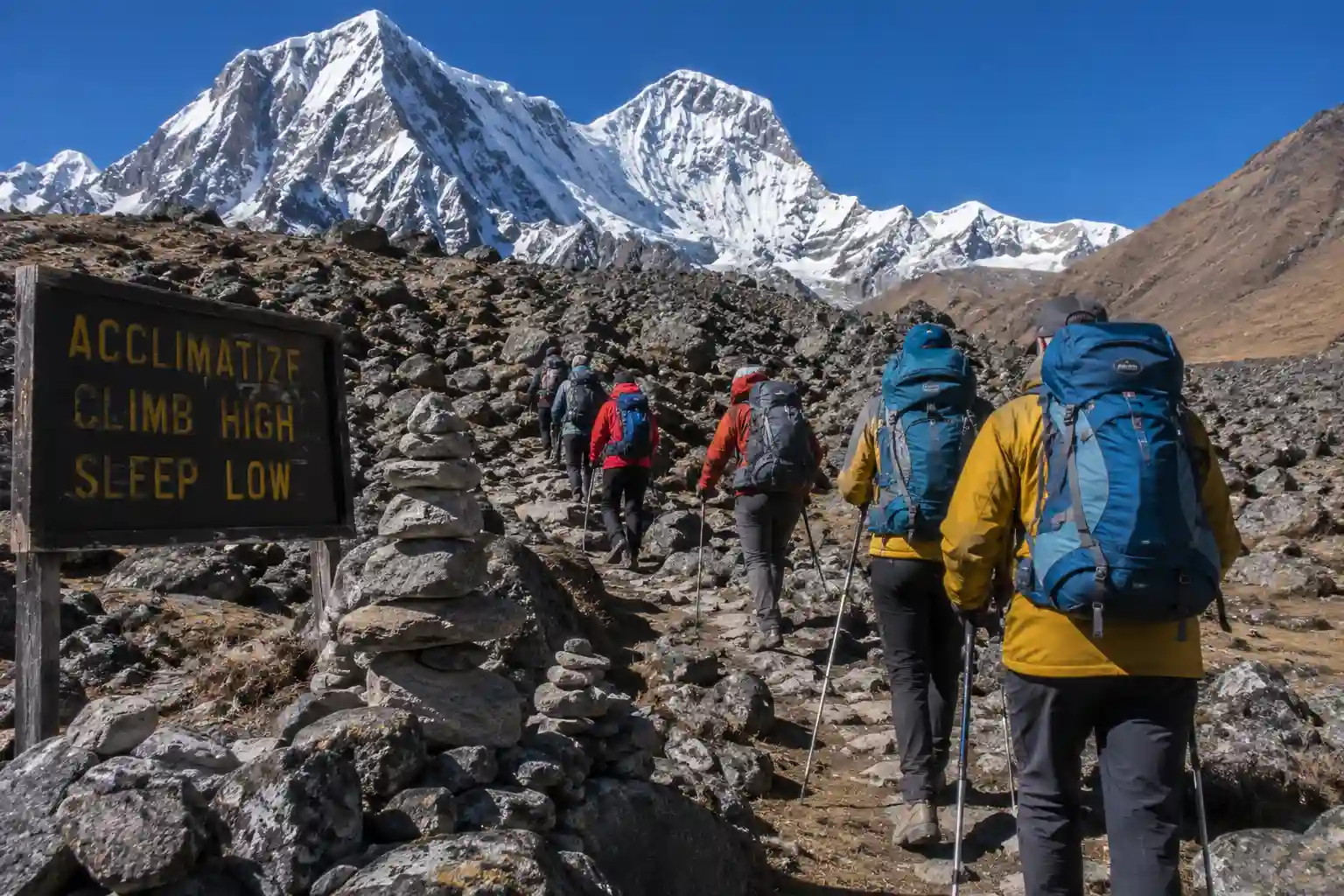
The Golden Rule: “Climb High, Sleep Low”
Professional mountain guides around the world follow one core acclimatization principle:
“Climb high, sleep low.”
This means trekkers should temporarily hike to higher elevations during the day but descend to lower elevations for sleeping whenever possible.
Why does this work?
Your body adapts to altitude most effectively while resting.
By exposing yourself to higher elevations temporarily, you stimulate acclimatization without overloading your system overnight.
For example:
- Hike to 4,200 meters during the day
- Descend to 3,700 meters to sleep
This strategy significantly reduces the risk of AMS.
Well-designed trekking itineraries carefully build in these altitude fluctuations.
The best operators understand that proper acclimatization dramatically improves summit success and overall safety.
See how our itineraries build acclimatization days into every route:
Trekking in Peru
The 300–500 Meter Rule
Once you are above 3,000 meters, experienced trekking operators generally follow the “300–500 meter rule.”
This means your sleeping elevation should not increase by more than 300–500 meters per day.
Ascending too quickly is one of the primary causes of altitude sickness.
Unfortunately, many budget trekking itineraries ignore this rule in order to shorten trip duration and reduce operational costs.
That is extremely risky.
Short itineraries may sound attractive initially, but they often force trekkers into dangerous altitude gains without giving the body enough recovery time.
Always prioritize smart pacing over speed.
How to Prepare Before Your Trek
Proper preparation starts long before you reach the mountain.
The days leading up to your trek can significantly influence how well your body acclimatizes.
1. Consult Your Doctor
If you are trekking above 3,000 meters, speak with your doctor before departure.
Ask whether Acetazolamide (Diamox) is appropriate for you.
Diamox is commonly used to help prevent AMS by stimulating deeper breathing and improving oxygen absorption.
Many professional guides and experienced trekkers use it during high-altitude expeditions.
However, it is not a magic solution.
You still need proper pacing and acclimatization.
2. Arrive Early
One of the worst mistakes trekkers make is arriving at altitude and immediately starting a strenuous trek the next morning.
For example:
Flying into Cusco (3,400m) and beginning the Salkantay Trek the next day is extremely aggressive.
Instead, spend at least 2–3 days acclimatizing first.
Use this time for:
- Light walking
- Easy sightseeing
- Hydration
- Rest
- Gradual activity
This early adaptation period dramatically improves your chances of success later on.
3. Avoid Alcohol Before Trekking
Alcohol contributes to dehydration and poor sleep quality, both of which negatively affect acclimatization.
Many trekkers celebrate arrival with heavy drinking and then wonder why altitude symptoms hit hard the next day.
Minimize alcohol intake before and during the trek whenever possible.
4. Improve General Fitness
While fitness does not prevent AMS, it still helps overall trekking performance.
Improved endurance allows you to hike more efficiently and recover faster between days.
Focus on:
- Walking
- Hiking
- Stair climbing
- Cardiovascular training
- Leg endurance
Fitness supports the journey — it just does not replace acclimatization.
The Most Important Rule on the Mountain: Slow Down
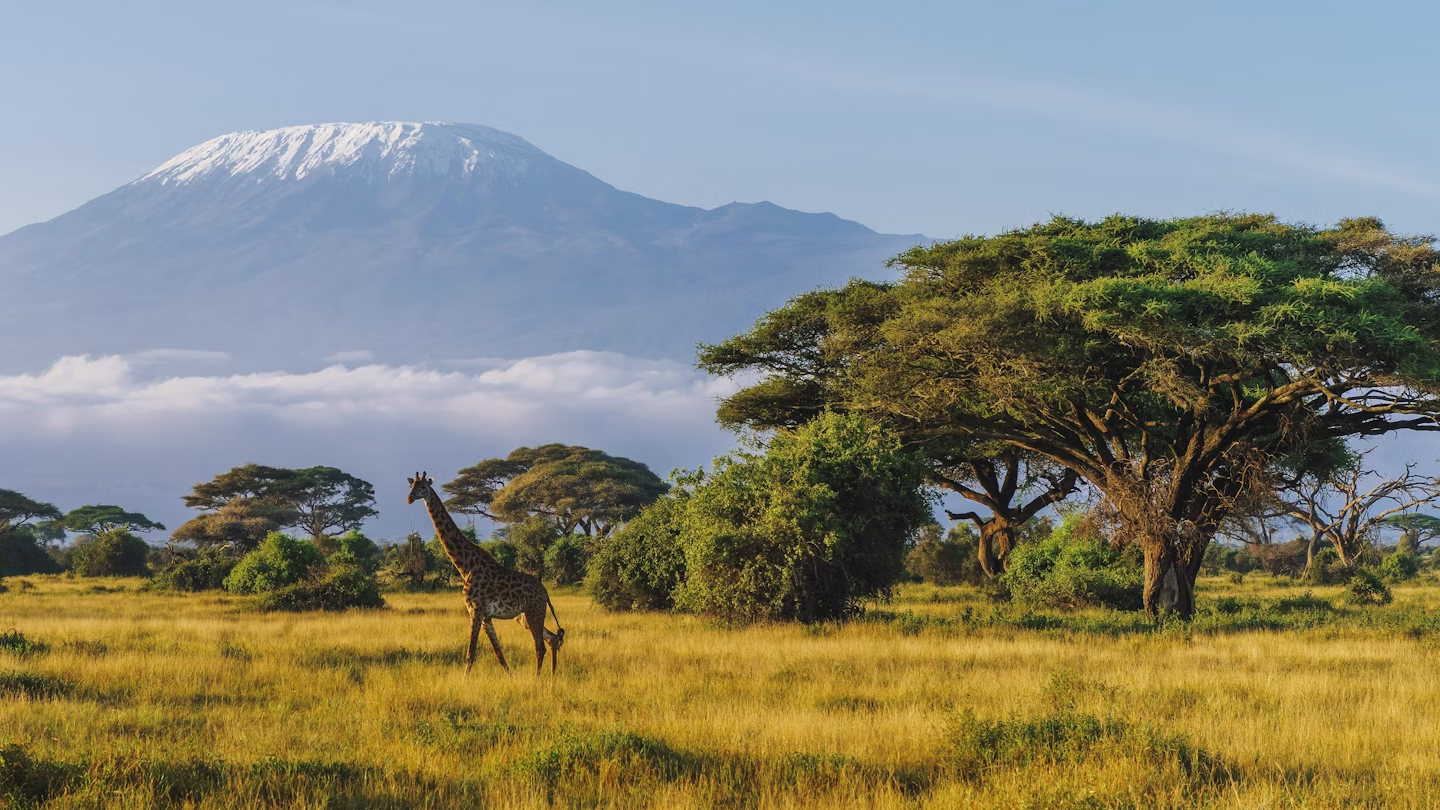
On Mount Kilimanjaro, guides constantly repeat one phrase:
“Pole Pole.”
In Swahili, this means:
“Slowly, slowly.”
This is perhaps the single most important piece of altitude advice in the world.
Trekkers often become overly competitive or excited and begin hiking too quickly.
Fast hiking increases oxygen demand and accelerates fatigue.
Instead, maintain a conversational pace.
You should be able to speak comfortably while walking.
If you are gasping for breath constantly, you are moving too fast.
Slow hiking conserves energy and improves oxygen efficiency significantly.
Hydration at High Altitude
Altitude causes rapid dehydration.
Dry mountain air, increased breathing rates, sweating, and physical exertion all contribute to fluid loss.
Unfortunately, dehydration worsens AMS symptoms dramatically.
Trekkers should aim for:
- 3–4 liters of water daily
- Electrolyte supplementation
- Consistent hydration throughout the day
Do not wait until you feel thirsty.
Electrolytes are especially important because excessive water intake alone can dilute essential minerals.
Add electrolyte tablets or hydration salts to your water regularly.
Signs of dehydration include:
- Dark urine
- Headaches
- Dizziness
- Dry mouth
- Fatigue
Proper hydration is one of the easiest and most effective altitude prevention strategies available.
Nutrition and Altitude
Your body burns significantly more calories at high altitude.
At the same time, appetite often decreases.
This creates a dangerous combination if trekkers stop eating properly.
Carbohydrates are particularly important at elevation because they require less oxygen for metabolism compared to fats and proteins.
Focus on foods like:
- Rice
- Potatoes
- Pasta
- Oatmeal
- Bread
- Fruit
- Soup
Heavy greasy meals can increase digestive strain and make trekkers feel sluggish.
Many local trekking cuisines naturally emphasize high-carb meals for this exact reason.
The Importance of Rest Days
Acclimatization days are not “wasted days.”
They are critical recovery periods that improve safety and summit success.
During rest days, trekkers often:
- Explore nearby trails
- Take short acclimatization hikes
- Relax at camp
- Hydrate heavily
- Recover physically
Skipping acclimatization days to save money or shorten itineraries is one of the most common causes of altitude-related evacuations.
Warning Signs You Should Never Ignore
Trekkers sometimes hide symptoms because they fear slowing down the group or missing the summit.
This is extremely dangerous.
Always communicate honestly with your guide.
Mild Symptoms
- Headache
- Light fatigue
- Mild nausea
- Difficulty sleeping
Recommended action:
- Rest
- Hydrate
- Stay at current altitude
- Monitor symptoms carefully
Moderate Symptoms
- Persistent vomiting
- Severe headache
- Loss of coordination
- Extreme fatigue
Recommended action:
- Descend immediately
- Seek medical evaluation
- Stop ascending
Severe Symptoms
- Confusion
- Hallucinations
- Difficulty walking
- Chest tightness
- Breathing problems at rest
Recommended action:
- Immediate descent
- Emergency evacuation
- Supplemental oxygen if available
The number one rule of altitude safety is simple:
Never ascend while symptoms are worsening.
If you feel sick at 3,500 meters, climbing to 4,000 meters will almost never solve the problem.
Choosing the Right Trekking Company
Your trekking operator plays a massive role in altitude safety.
Professional companies prioritize:
- Proper acclimatization schedules
- Experienced guides
- Emergency oxygen systems
- Pulse oximeter monitoring
- Conservative pacing
- Medical training
Cheap operators may skip acclimatization days or pressure groups into unsafe ascents.
Always research itineraries carefully before booking.
See how our routes prioritize acclimatization and safety:
Extreme Travel
Mental Discipline at High Altitude
Altitude trekking is as much psychological as physical.
Many trekkers become frustrated when forced to slow down or rest.
However, patience is critical.
The mountain does not care how strong, competitive, or determined you are.
Listening to your body is a sign of intelligence, not weakness.
Some days your body adapts beautifully.
Other days it struggles unexpectedly.
Respect those signals.
Conclusion: Respect the Mountain
Altitude sickness is not something to fear — but it is absolutely something to respect.
With proper preparation, intelligent pacing, hydration, and acclimatization, most trekkers can safely enjoy incredible high-altitude adventures around the world.
The biggest mistake is allowing ego to override caution.
The mountain will still be there next year.
Your long-term health matters far more than reaching a summit at any cost.
By choosing reputable guides, following proven acclimatization protocols, and paying attention to your body, you dramatically increase your chances of having a safe, unforgettable experience.
The thin air rewards patience.
Move slowly, hydrate constantly, and trust the acclimatization process.
Rank Math SEO Data
Focus Keyword: Preventing Altitude Sickness
SEO Title: Preventing Altitude Sickness: The Trekker’s Guide (2026)
Slug: preventing-altitude-sickness-guide
Meta Description: Learn how to prevent altitude sickness during high-altitude treks in 2026. Discover acclimatization strategies, AMS symptoms, hydration tips, and expert trekking advice for safer adventures.