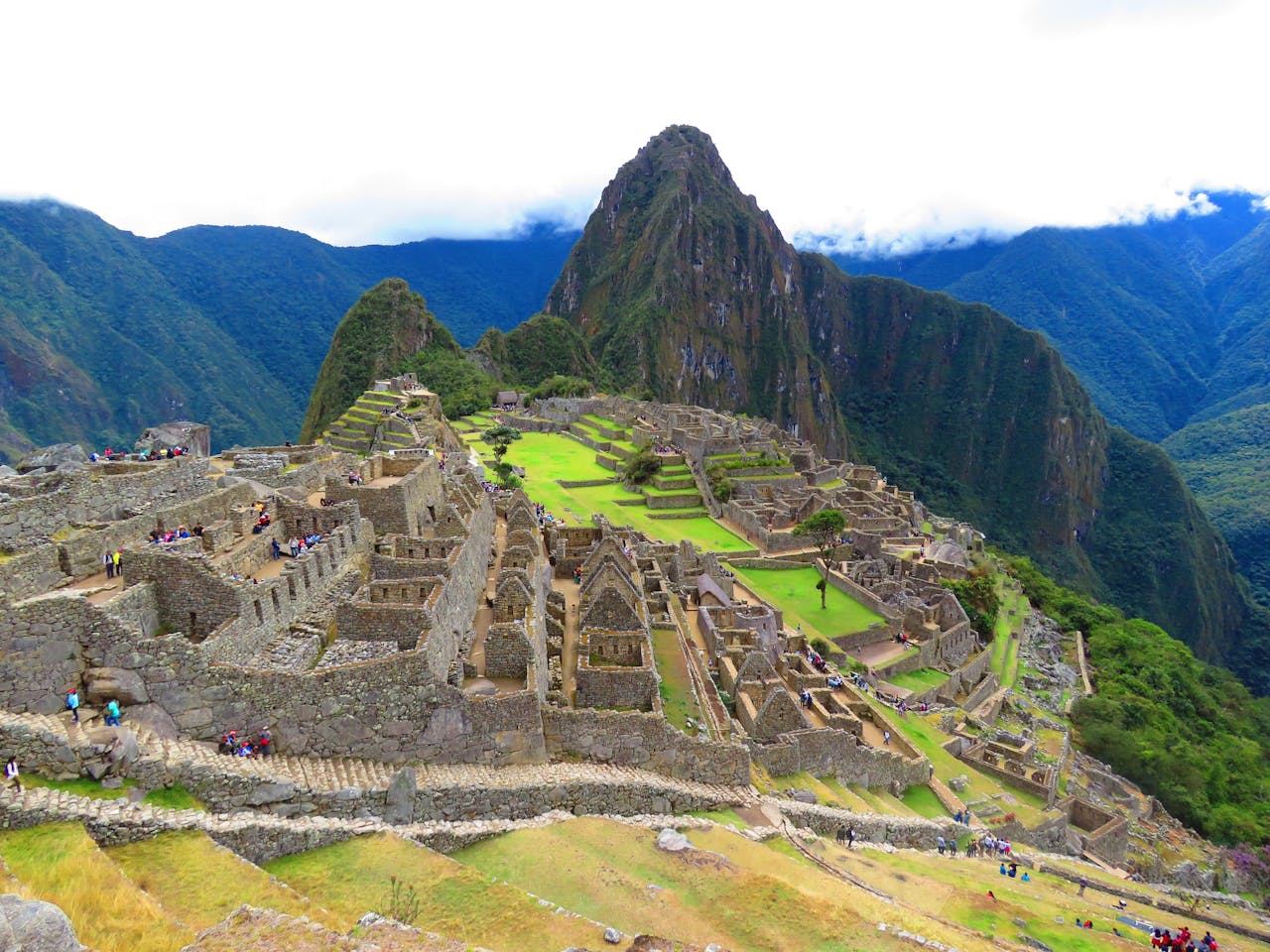
If you are planning a trekking expedition to Machu Picchu in 2026, you will inevitably run into the most heavily debated topic in the Peruvian Andes: Should I hike the Classic Inca Trail or the alternative Salkantay Trek?
Both routes end at the legendary Lost City of the Incas. Both require multiple days of hiking through breathtaking, high-altitude landscapes. However, the experiences they offer—and more importantly, the price tags attached to them—are vastly different.
Because the Classic Inca Trail is heavily regulated by the Peruvian government, it requires expensive permits and must be booked up to six months in advance. In contrast, the Salkantay Trek operates with far fewer restrictions, offering a wilder, more rugged experience at a significantly lower price point.
If you are trying to finalize your travel budget, you need to understand exactly what you are paying for on each route. In this comprehensive 2026 guide, we will break down the true Inca Trail vs Salkantay trek cost, expose the hidden fees on both routes, and help you decide which trail offers the best value for your adventure.
The Short Answer: Baseline 2026 Pricing
Before we dissect the granular details, here is a quick look at the average cost for a fully supported, 4-to-5 day group trek with a mid-range, reputable tour operator in 2026:
- Classic Inca Trail (4 Days / 3 Nights): $750 – $950 USD per person
- Salkantay Trek (5 Days / 4 Nights): $450 – $650 USD per person
Right out of the gate, the Salkantay Trek is roughly 30% to 40% cheaper than the Inca Trail. But to understand why that price gap exists, we need to look at the logistical overhead of each route.
Want to see exactly what these mid-range itineraries look like? Browse our top-rated options on the Trekking in Peru.
Breaking Down the Classic Inca Trail Cost
The Classic Inca Trail is not just a hike; it is a walk through a heavily protected archaeological corridor. The Peruvian Ministry of Culture limits access to just 500 people per day—a number that includes the guides, cooks, and porters. Because demand constantly exceeds supply, the prices remain high.
When you pay $800 for an Inca Trail trek, here is where your money goes:
The Verdict on Value: You are paying a premium for exclusivity, historical significance, and the sheer logistical effort required to move a luxury campsite through a protected archaeological zone on human backs.
- Mandatory Government Permits
This is the single biggest driver of the price discrepancy. Your tour operator must purchase a non-refundable Inca Trail permit on your behalf, which costs approximately $75 USD. Furthermore, as of 2026, the trail permit no longer includes the entrance ticket to the actual Machu Picchu citadel; operators must now purchase that $65 ticket separately.
- The Porter Army
Pack animals (horses and mules) are strictly banned on the Inca Trail to prevent the hooves from destroying the original 500-year-old stone steps. Therefore, every single piece of gear—tents, sleeping bags, propane tanks, and fresh food—must be carried on the backs of human porters. A group of 10 trekkers usually requires a crew of 14 to 16 porters. A reputable company pays fair, regulated wages to this large crew, which significantly increases the baseline cost of your tour. - Logistical Return Transport
Almost all Inca Trail packages include your return transport from Machu Picchu back to Cusco. This involves a shuttle bus down the mountain to Aguas Calientes ($12) and a ticket on the Expedition or Vistadome train back to Ollantaytambo ($65 – $90).
The Verdict on Value: You are paying a premium for exclusivity, historical significance, and the sheer logistical effort required to move a luxury campsite through a protected archaeological zone on human backs
Breaking Down the Salkantay Trek Cost
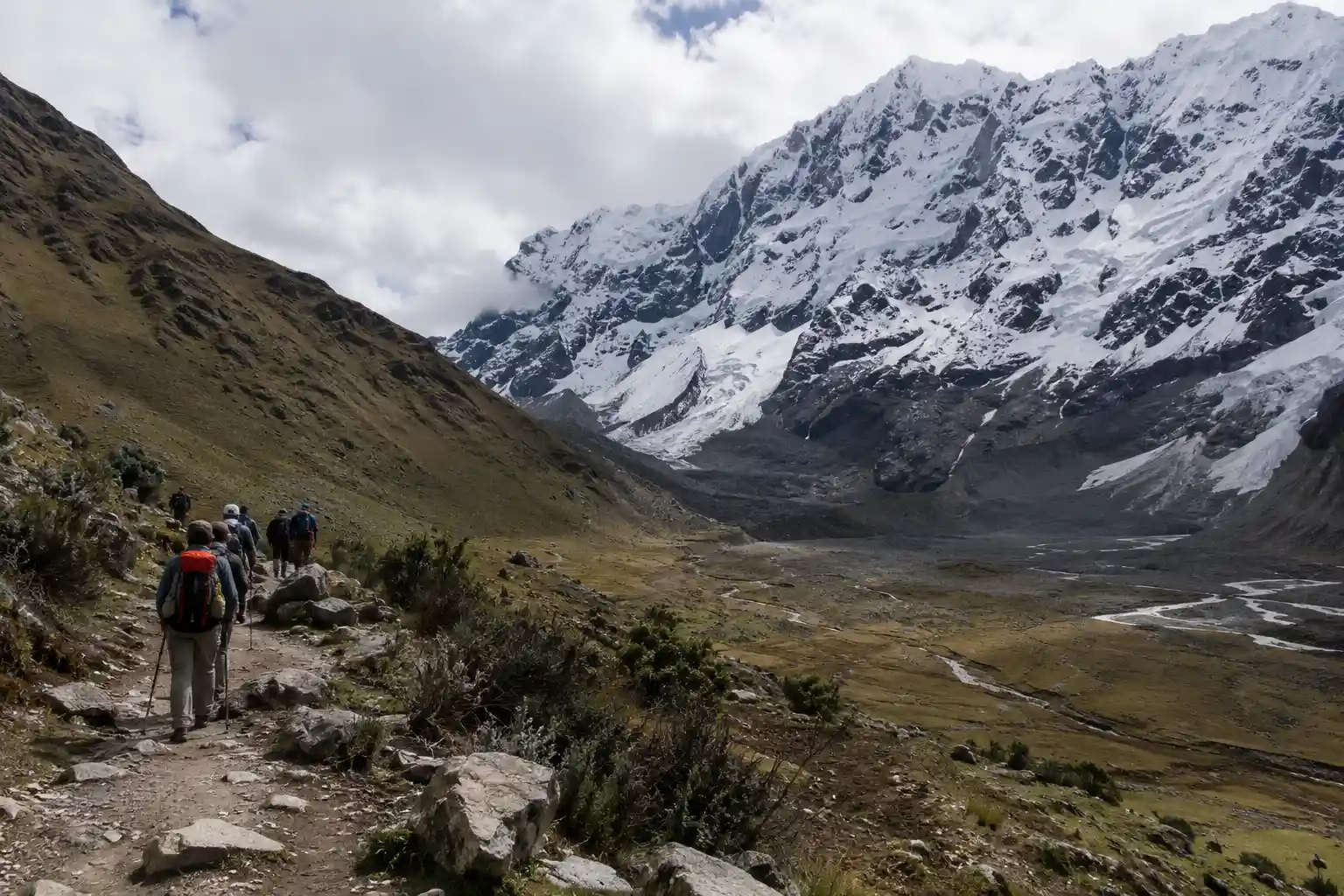
The Salkantay Trek was designated by National Geographic as one of the 25 best treks in the world. It is longer, higher, and arguably more scenically dramatic than the Inca Trail. So why is it so much cheaper?
- No Expensive Trail Permits
Unlike the Inca Trail, you do not need a highly competitive government permit to hike the Salkantay route. You only need to pay a small community entry fee at the Mollepata trailhead (roughly $6 USD). Your operator still has to buy your $65 Machu Picchu entrance ticket for the final day, but the barrier to entry on the trail itself is incredibly low. - Pack Animals Instead of Porters
Because the Salkantay trail is not a protected archaeological site, horses and mules are allowed. A single horseman with a team of four mules can carry the camping gear and food that would normally require eight human porters on the Inca Trail. This drastically reduces the labor costs for the tour operator, and those savings are passed directly on to you. - Accommodation Flexibility (Sky Domes and Hostels)
While the Inca Trail is strictly tent camping, the Salkantay route features private infrastructure. Many mid-range operators have built permanent “Sky Domes” or glass-roofed Andean huts along the trail. Furthermore, on the final night before visiting Machu Picchu, Salkantay trekkers sleep in a physical hotel or hostel in the town of Aguas Calientes, rather than camping in the dirt.
The Verdict on Value: The Salkantay Trek offers phenomenal value for money. You get superior high-altitude scenery, comfortable permanent campsites, and a massive physical challenge for several hundred dollars less than the Inca Trail.
The DIY Option: Hiking Salkantay Without a Guide
Here is another massive difference that impacts your budget: You cannot legally hike the Inca Trail without a licensed guide.
However, you can hike the Salkantay Trek completely independently. If you are a hardcore backpacker on a shoestring budget, you can carry your own tent, sleeping bag, and camp stove, and hike the 45-mile route without paying an agency.
The DIY Salkantay Budget (Approx. $150 – $250 USD)
Transport to Trailhead: Public collectivo (mini-bus) from Cusco to Mollepata: $5
Campsite Fees: Paying local farmers to pitch your tent in their yards: $3 – $5 per night
Food: Buying groceries in Cusco and carrying your own meals: $30
Machu Picchu Ticket: Must be bought online months in advance: $65
Return Transport (The Budget Way): Instead of taking the expensive $70 train, you can walk 3 hours along the train tracks from Aguas Calientes to the Hydroelectric station, where a local bus will drive you back to Cusco for $15.
While doing the trek for under $200 sounds incredible, you must be prepared to carry a 35-pound backpack over a 15,190-foot (4,630-meter) mountain pass. If you prefer to enjoy the scenery without the backbreaking labor, booking a supported tour through our Best Trekking Tours is highly recommended.
The DIY Option: Hiking Salkantay Without a Guide
Here is another massive difference that impacts your budget: You cannot legally hike the Inca Trail without a licensed guide.
However, you can hike the Salkantay Trek completely independently. If you are a hardcore backpacker on a shoestring budget, you can carry your own tent, sleeping bag, and camp stove, and hike the 45-mile route without paying an agency.
The DIY Salkantay Budget (Approx. $150 – $250 USD)
- Transport to Trailhead: Public collectivo (mini-bus) from Cusco to Mollepata: $5
- Campsite Fees: Paying local farmers to pitch your tent in their yards: $3 – $5 per night
- Food: Buying groceries in Cusco and carrying your own meals: $30
- Machu Picchu Ticket: Must be bought online months in advance: $65
- Return Transport (The Budget Way): Instead of taking the expensive $70 train, you can walk 3 hours along the train tracks from Aguas Calientes to the Hydroelectric station, where a local bus will drive you back to Cusco for $15.
While doing the trek for under $200 sounds incredible, you must be prepared to carry a 35-pound backpack over a 15,190-foot (4,630-meter) mountain pass. If you prefer to enjoy the scenery without the backbreaking labor, booking a supported tour through our Best Trekking Tours Landing Page is highly recommended
Hidden Costs on Both Routes
Whether you pay $450 for Salkantay or $850 for the Inca Trail, the base price listed by the operator is rarely the final amount you will spend. You must budget for these unavoidable hidden costs:
1. Equipment Rental ($30 – $60)
Unless you are flying to Peru with a massive winter backpack, you will need to rent gear from your operator in Cusco.
- -10°C Sleeping Bag: $20 – $30 for the trek.
- Trekking Poles: $15 – $20. (These are mandatory for the steep descents to save your knees).
2. Tipping the Crew ($50 – $100)
Tipping the guides, cooks, and porters/horsemen at the end of a trek is a deeply ingrained custom in Peru.
- On the Inca Trail, because the crew is so massive, the suggested tip pool is generally higher. Budget roughly $80 to $100 per hiker to contribute to the staff tip pool.
- On the Salkantay Trek, because the crew is smaller (a guide, a cook, and a horseman), tipping is slightly less expensive. Budget roughly $50 to $70 per hiker.
3. Extra Mountain Hikes ($60 – $75)
Your standard Machu Picchu ticket gets you into the main ruins. If you want to climb the towering peak in the background of all the famous photos (Huayna Picchu), you must purchase a specific circuit upgrade. This usually costs an additional $60 to $75 and must be secured months in advance.
4. Thermal Hot Springs ($5 – $10)
On the Salkantay Trek (usually on Day 3), groups stop near the town of Santa Teresa. Visiting the Cocalmayo Hot Springs is a beloved ritual to soothe aching muscles. The entry fee is cheap (around $5), but the round-trip taxi from camp will cost another $5.
Conclusion: Which Trek Should You Choose?
When comparing the Inca Trail vs Salkantay trek cost, the “best” option depends entirely on what you prioritize as a traveler.
Choose the Classic Inca Trail if:
- You are a history enthusiast who wants to walk on original 500-year-old paving stones.
- You want to explore remote Incan ruins (like Wiñay Wayna) that can only be reached on foot.
- You want the emotional experience of walking through the Sun Gate to view Machu Picchu from above at sunrise.
- You have the budget to spend $800+ and the foresight to book 6 months in advance.
- Secure your permits now with our 4-Day Classic Inca Trail Tour.
Choose the Salkantay Trek if:
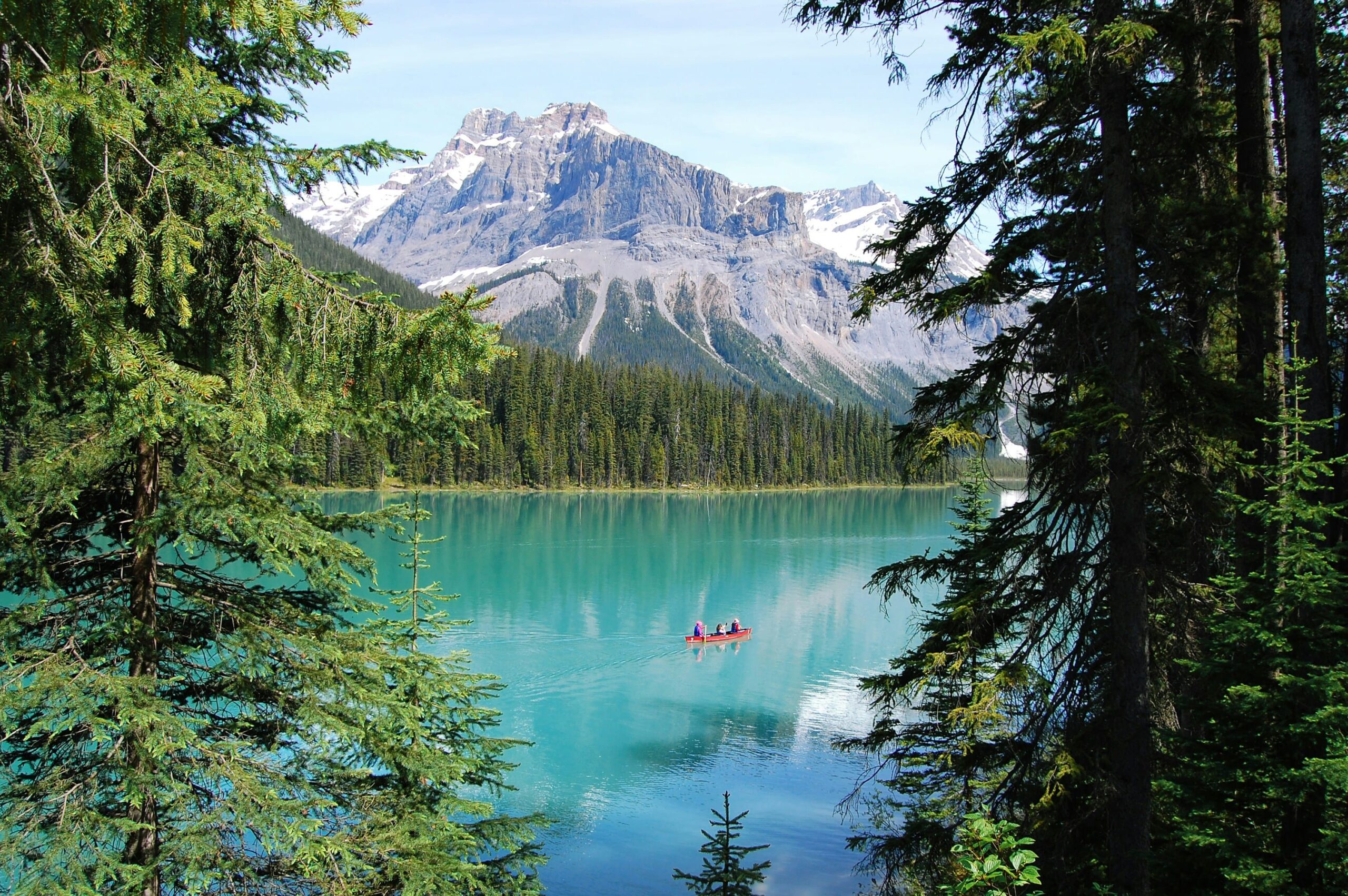
- You are a wilderness lover who prefers towering glaciers and turquoise alpine lakes over archaeological ruins.
- You want a more physically demanding challenge.
- You prefer sleeping in comfortable sky domes and beds rather than tents.
- You are traveling on a tighter budget and want to save $300 to $400 without sacrificing the quality of the adventure.
Whichever path you choose through the Andes, the ultimate reward remains the same: standing in awe before one of the New Seven Wonders of the World.