
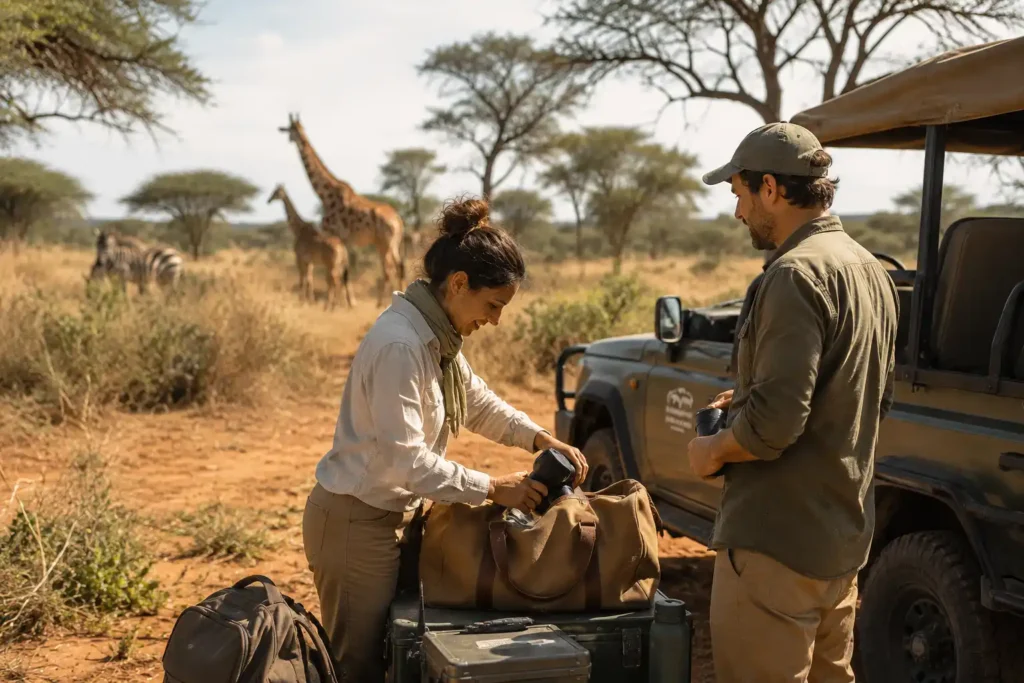
You have finally done it. After years of dreaming and months of researching, you have booked your African adventure. Whether you are heading to the endless plains of the Serengeti or the lush waterways of the Okavango Delta, a safari is truly a life-changing experience.
But as the departure date inches closer, the excitement is often joined by a creeping sense of anxiety. How to prepare for a safari? It is not quite as simple as throwing a swimsuit in a bag and heading to a beach resort.
Traveling to remote wilderness areas requires a different level of preparation. You need to navigate international travel logistics, understand the specific health requirements for your destination, figure out the strict luggage weight limits on bush flights, and mentally prepare for the reality of the African bush.
At WeGoExplore365, we want you to step off the plane feeling confident, healthy, and entirely ready to embrace the adventure. In this comprehensive 2026 guide, we will walk you through exactly how to prepare for a safari, broken down into a clear, actionable timeline so you don’t miss a single detail.
The Safari Preparation Timeline
The secret to a stress-free trip is staggering your preparation. Do not wait until the week before you fly to check if your passport is valid. Follow this timeline to ensure all your logistics are locked in.
6 Months Before: Documents & Health
Do not delay on government bureaucracy
- Check Passport Validity: Your passport must be valid for at least six months after your intended date of departure from Africa, and you need at least two blank consecutive pages.
- Book a Travel Clinic Appointment: Some vaccines (like Yellow Fever or Hepatitis B) require multiple doses spaced weeks apart. Schedule a consultation now.
- Apply for Visas: Determine if your destination requires a visa (e.g., Kenya, Tanzania, and Uganda often do). Many countries have shifted to an e-Visa system, which you can apply for online.
3 Months Before: Gear & Insurance
Lock in your protection and equipment
- Purchase Travel Insurance: This is non-negotiable. You need a policy that explicitly covers emergency medical evacuation (often required by reputable operators).
- Buy Your Boots: If your itinerary includes walking safaris or gorilla trekking, buy your boots now and wear them around the house and on local hikes to break them in.
- Order Specialty Medications: Secure your prescription for malaria prophylaxis and ensure you have enough of your regular daily medications to last the entire trip plus a two-week buffer.
1 Month Before: The Final Details
Packing and mental prep
- Review Luggage Restrictions: Check the weight limits on your internal bush flights (usually strictly capped at 15kg / 33lbs in soft-sided duffel bags).
- Notify Your Bank: Let your credit card companies know you will be making transactions in Africa so they do not freeze your cards for suspected fraud.
- Download Offline Maps and Apps: Download regional maps on Google Maps, birding apps, and a stargazing app to use when you are outside of Wi-Fi range.
Health, Vaccinations, and Medical Prep
Your health is the most critical aspect of your preparation. Africa’s incredible biodiversity also extends to its microscopic life, so you need to be proactive.
Vaccinations
While requirements vary slightly by country, the Centers for Disease Control and Prevention (CDC) generally recommends the following for East and Southern Africa:
- Routine Vaccines: Ensure your tetanus, diphtheria, and measles shots are up to date.
- Hepatitis A & B: Highly recommended for all travelers.
- Typhoid: Recommended if you are traveling to rural areas.
- Yellow Fever: This is the big one. Some countries (like Tanzania and Uganda) require a Yellow Fever vaccination certificate for entry, especially if you are transiting through another country where the disease is endemic (like Kenya).
Malaria Prophylaxis
Malaria is present in many of the top safari destinations. There is no vaccine, but you can take preventative pills. You will usually need to start taking the medication a few days before you arrive, every day during your trip, and for a few days to weeks after you return.
- Note: If you are traveling to South Africa, you can opt for a “malaria-free” safari in regions like the Eastern Cape or Madikwe, eliminating the need for these medications.
Your Personal Medical Kit
Every lodge and safari vehicle will have a basic first-aid kit, but you should bring a personal supply of the following:
- Over-the-counter pain relievers (Ibuprofen/Acetaminophen).
- Anti-diarrheal medication (Imodium).
- Antihistamines (for bug bites or minor allergic reactions).
- Motion sickness pills (if you are prone to nausea on bumpy roads or small bush flights).
- High-SPF sunscreen and DEET-based insect repellent.
2. Physical Fitness and Preparation
A common misconception is that a safari is a completely passive vacation where you simply sit in a car all day. While it is certainly less physically demanding than a high-altitude trek, you still need a baseline of stamina.
- The “African Massage”: Game drives take place on unpaved, deeply rutted dirt roads. You will be bouncing and swaying in the back of a 4×4 for up to 6–8 hours a day. If you have severe back or neck issues, consult your doctor and inform your tour operator in advance so they can provide extra cushioning or modify the driving pace.
- Walking Safaris and Trekking: If you are incorporating a walking safari in Zambia or trekking to see chimpanzees in Uganda, you need to be cardiovascularly fit. Start walking 3 to 5 miles a day at home, preferably on uneven terrain, to condition your legs and ankles.
3. Understanding Luggage and Packing
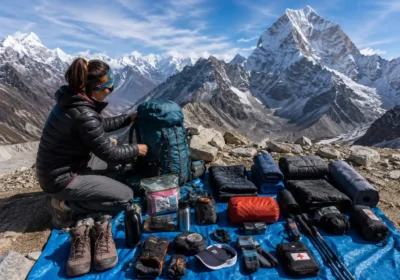
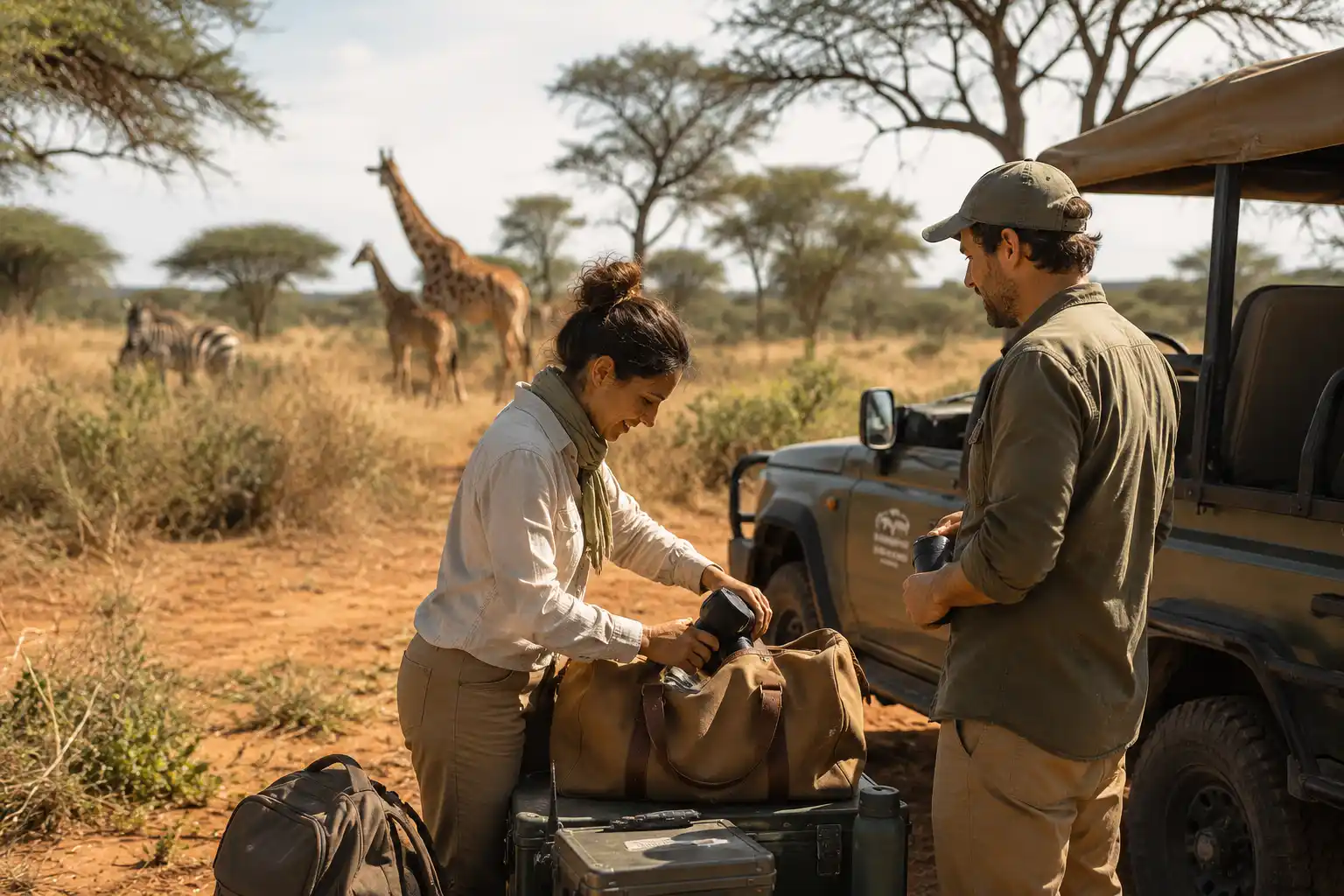
Packing for a safari is an exercise in ruthless minimalism. You cannot bring a massive, hard-sided rolling suitcase on an African adventure.
The Bush Flight Rule
If your itinerary includes a flight on a light aircraft (a Cessna or Caravan) to get between national parks, you will be subject to strict weight limits. Typically, airlines like SafariLink or Coastal Aviation restrict total luggage to 15kg (33 lbs) per person, and that includes your carry-on daypack and camera gear.
Furthermore, your luggage must be soft-sided. The baggage pods on these small planes are oddly shaped, and pilots need to be able to squash the bags to make them fit. If you show up with a hard plastic shell suitcase, it will be left on the tarmac.
What Actually Goes in the Bag?
We will cover this extensively in our upcoming dedicated Packing Guide, but the golden rules are:
- Colors Matter: Wear neutral tones (khaki, olive green, brown, or beige). Avoid black and dark blue (which attract biting tsetse flies) and bright white (which gets instantly dirty and startles wildlife).
- Layers are Essential: Africa is not always boiling hot. Early morning game drives in an open vehicle are freezing. You need a warm fleece or windbreaker that you can peel off as the sun rises.
- Laundry is Available: You do not need 14 shirts for a 14-day trip. Almost all mid-range and luxury lodges offer daily laundry service (often complimentary), allowing you to wash and re-wear a small capsule wardrobe.
4. Preparing Your Photography Gear
You are going to see things you will want to remember forever. However, you do not need to spend $10,000 on professional camera gear to capture the magic.
- The Smartphone Reality: Modern smartphones are fantastic for capturing the sweeping landscapes, the sunsets, and close-up encounters (like an elephant walking right past your vehicle).
- The Need for Zoom: Where smartphones fail is distance. A lion sleeping under a tree 50 yards away will look like a yellow speck on an iPhone. If you want crisp wildlife portraits, you need a camera with an optical zoom lens (at least 200mm to 400mm).
- Binoculars are Mandatory: If you only buy one piece of gear before your trip, make it a high-quality pair of binoculars (8×42 or 10×42 are ideal). Do not rely on sharing one pair with your spouse—when a leopard suddenly jumps out of a tree, you both need to be able to see it immediately.
- Power Management: Bring extra camera batteries, plenty of high-capacity memory cards, and a universal travel adapter to charge your devices at the lodge.
5. Mental Preparation and Managing Expectations
Perhaps the most important aspect of how to prepare for a safari is adjusting your mindset. The African bush is a wild, unpredictable ecosystem, not a highly curated zoo.
1. Embrace the Early Mornings
Wildlife is most active when it is cool—at dawn and dusk. This means your guide will likely wake you up at 5:30 AM. You will have a quick coffee and be in the vehicle as the sun rises. If you are expecting to sleep in until 9:00 AM every day on this vacation, you will miss the best action.
2. Patience is a Virtue
Nature does not operate on a schedule. You might drive for two hours and see nothing but gazelles and zebra, only to turn a corner and find a cheetah actively hunting. You have to be comfortable with the slow moments. The thrill of a safari is the search.
3. Disconnect to Connect
While many lodges offer Wi-Fi in the main lounge, the connection is often slow and satellite-based. Do not expect to stream movies or upload massive video files to social media. Prepare your family and workplace for the fact that you will be largely off the grid. Embrace the digital detox—it is one of the greatest luxuries of the bush.
4. Trust Your Guide
Your guide is an expert in animal behavior and safety. If they tell you to sit down, be quiet, or keep your arms inside the vehicle, do it immediately without questioning them. Their primary job is to keep you safe while getting you as close to the wildlife as responsibly possible.
To ensure you are traveling with the best guides in the business, browse our meticulously vetted itineraries on the Best Safari Tours.
6. Curating the Perfect Route
A critical part of your preparation is ensuring the itinerary you have booked actually aligns with what you want to see.
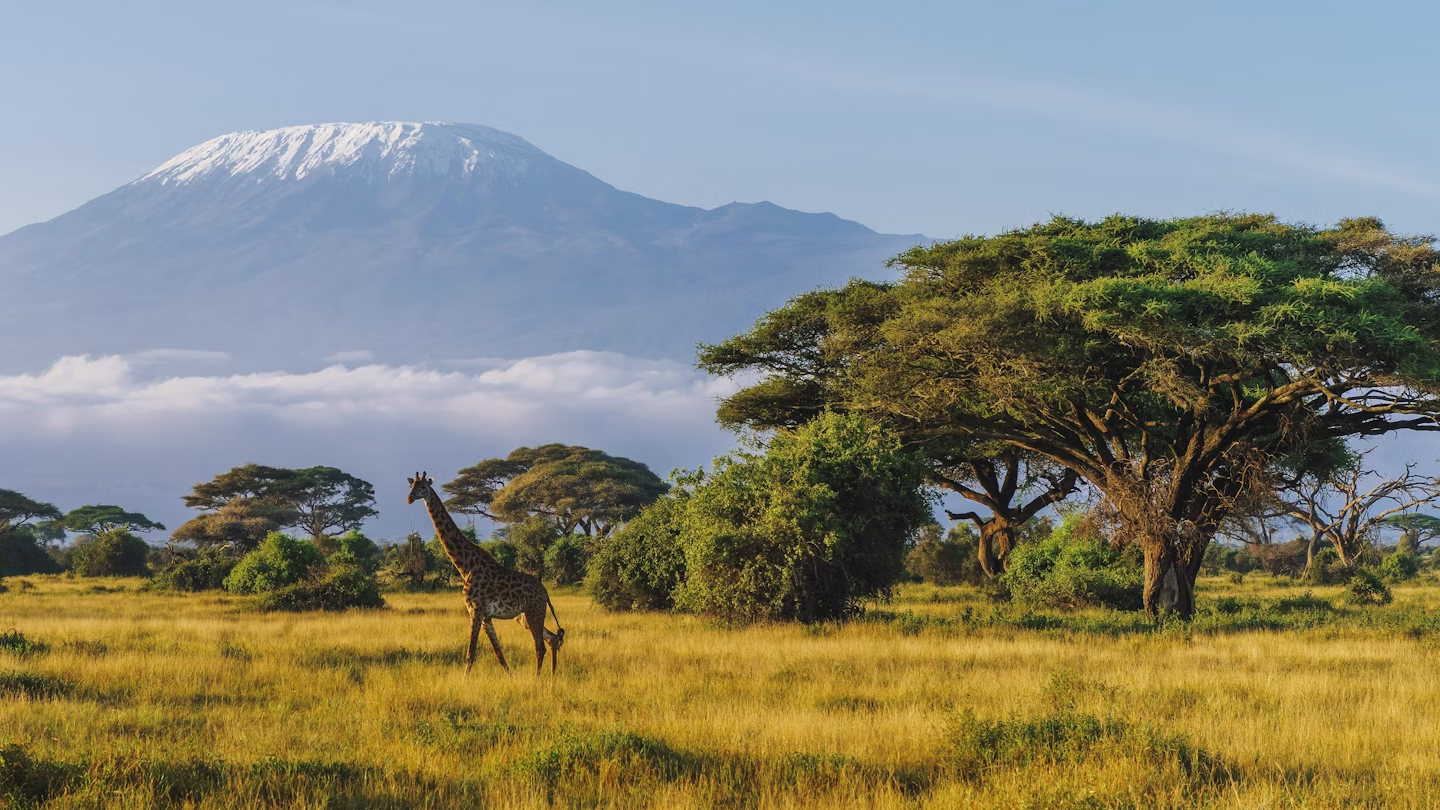
If you are obsessed with seeing the Great Migration river crossings, you need to be in the northern Serengeti between July and September. If you want to see baby animals and dramatic predator action, you need to be in the southern Serengeti in February.
If you are still finalizing your exact route, review our deep dive into the Safari in Tanzania to understand how the seasons dictate animal movement.
For travelers who want a perfectly balanced, stress-free introduction to East Africa, which is paced to maximize wildlife viewing without exhausting you with endless driving.
Conclusion: Ready for the Wild
Learning how to prepare for a safari might seem daunting when you are staring down a list of vaccines and luggage restrictions, but the effort is incredibly rewarding. By taking care of the logistics early, packing smartly, and adjusting your expectations to the rhythms of nature, you remove the stress from the equation.
Once your boots hit the red dirt and you hear the distant roar of a lion on your first night in camp, all the planning and preparation will instantly feel worth it.
If you have questions about your specific itinerary, need advice on bush flights, or are ready to start building your customized African adventure, the experts at WeGoExplore365 are here to help. Reach out today, and let’s get you ready for the wild.