




Adventure travel is about embracing the unknown. It is about stepping out of your comfort zone to climb towering Andean peaks, track apex predators across the African savanna, and immerse yourself in vibrant, unfamiliar cultures. But embracing the unknown should never mean falling victim to a criminal enterprise.
As global tourism bounces back in 2026, the underground economy of travel scams has bounced back with it—and it is more sophisticated than ever. Scammers know that tourists are often exhausted from long flights, disoriented by language barriers, and carrying significant amounts of cash or high-end electronics. From digital frauds that steal your money before you even leave home to highly coordinated street distractions in bustling plazas, the threats are real.
However, a ruined vacation is entirely preventable. The secret to safe travel is not paranoia; it is preparation.
At WeGoExplore365, your safety is our ultimate priority. In this comprehensive guide, we will expose the six most common travel scams targeting adventure travelers in 2026, highlight the specific traps found in popular destinations like Peru and Tanzania, and teach you exactly how to avoid travel scams so you can explore the world with absolute confidence.
1. The “Too-Good-To-Be-True” Fake Tour Scam
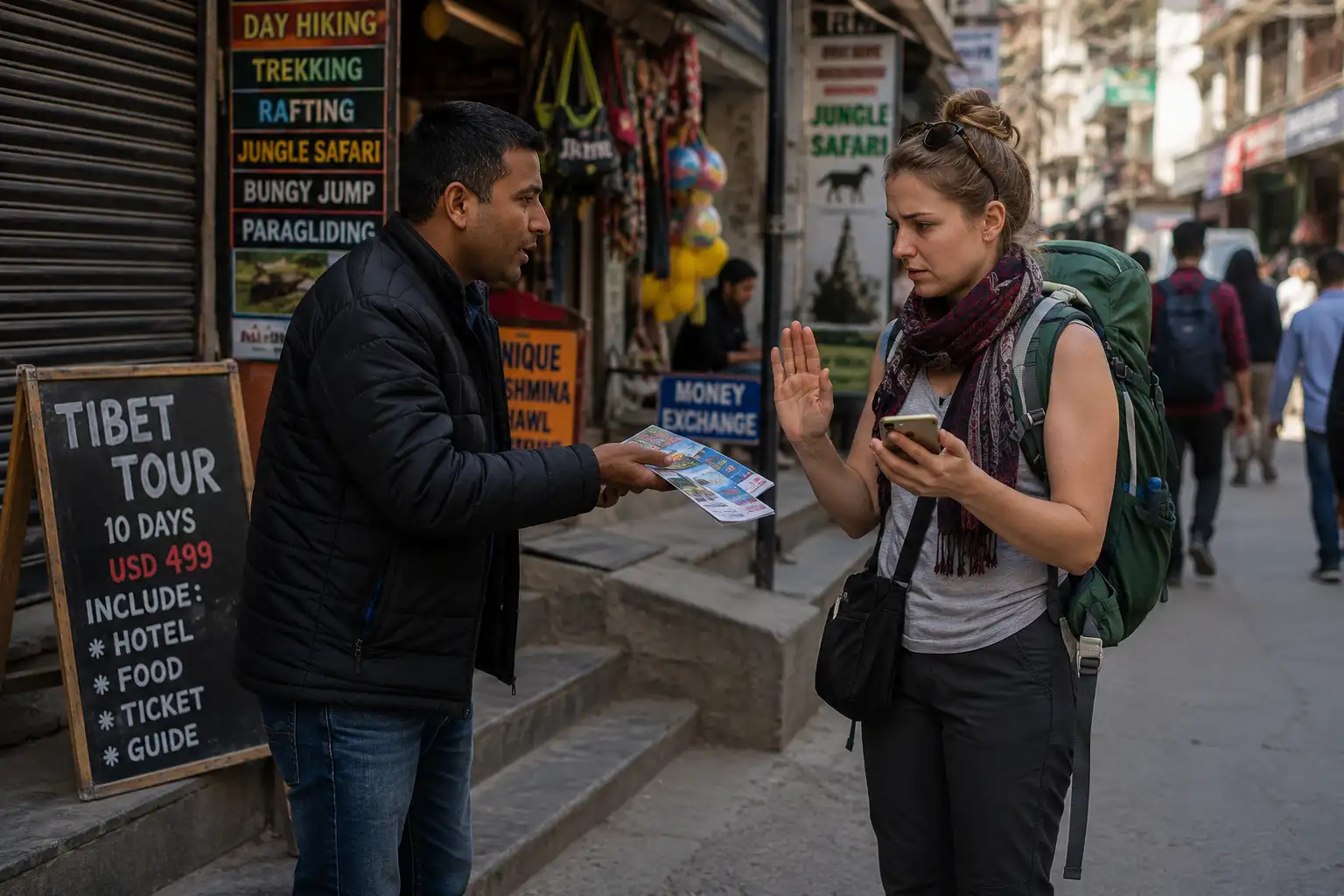
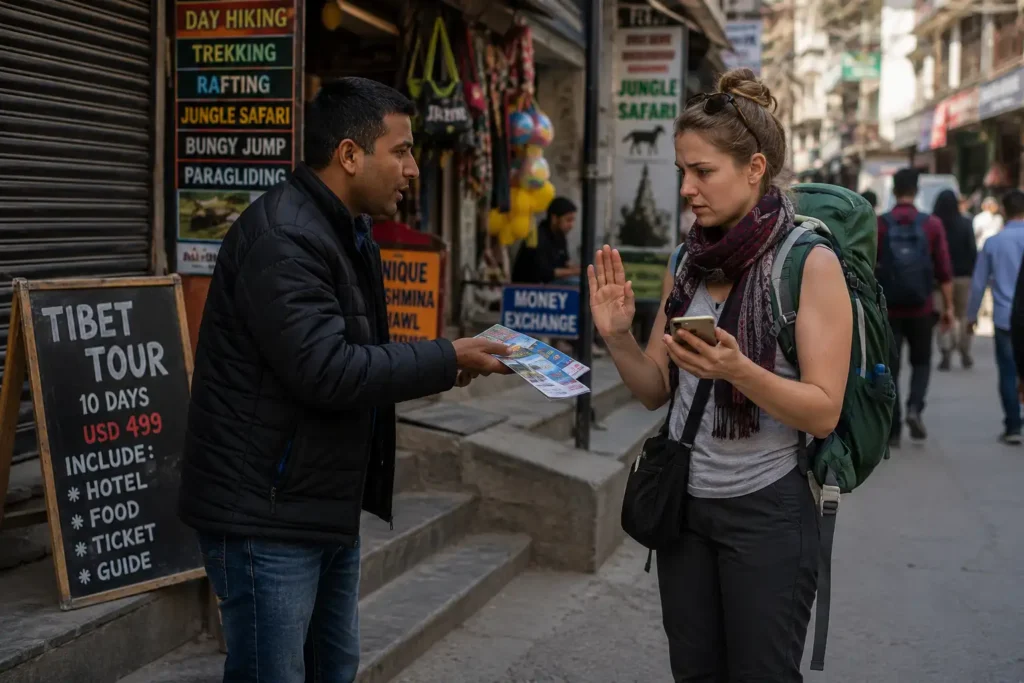
When you arrive in a major tourist hub—like Cusco, Peru, or Arusha, Tanzania—you will inevitably be approached by smooth-talking touts in the plaza handing out flyers. They will offer you bucket-list experiences for a fraction of the standard going rate.
- The Safari Trap: A street vendor offers a 3-day Serengeti safari for $200. The reality? They take your cash deposit and vanish. If they do show up, they load you into an unsafe, broken-down vehicle with an unlicensed driver who has no park permits, leaving you stranded at the national park gate to pay the entrance fees out of pocket.
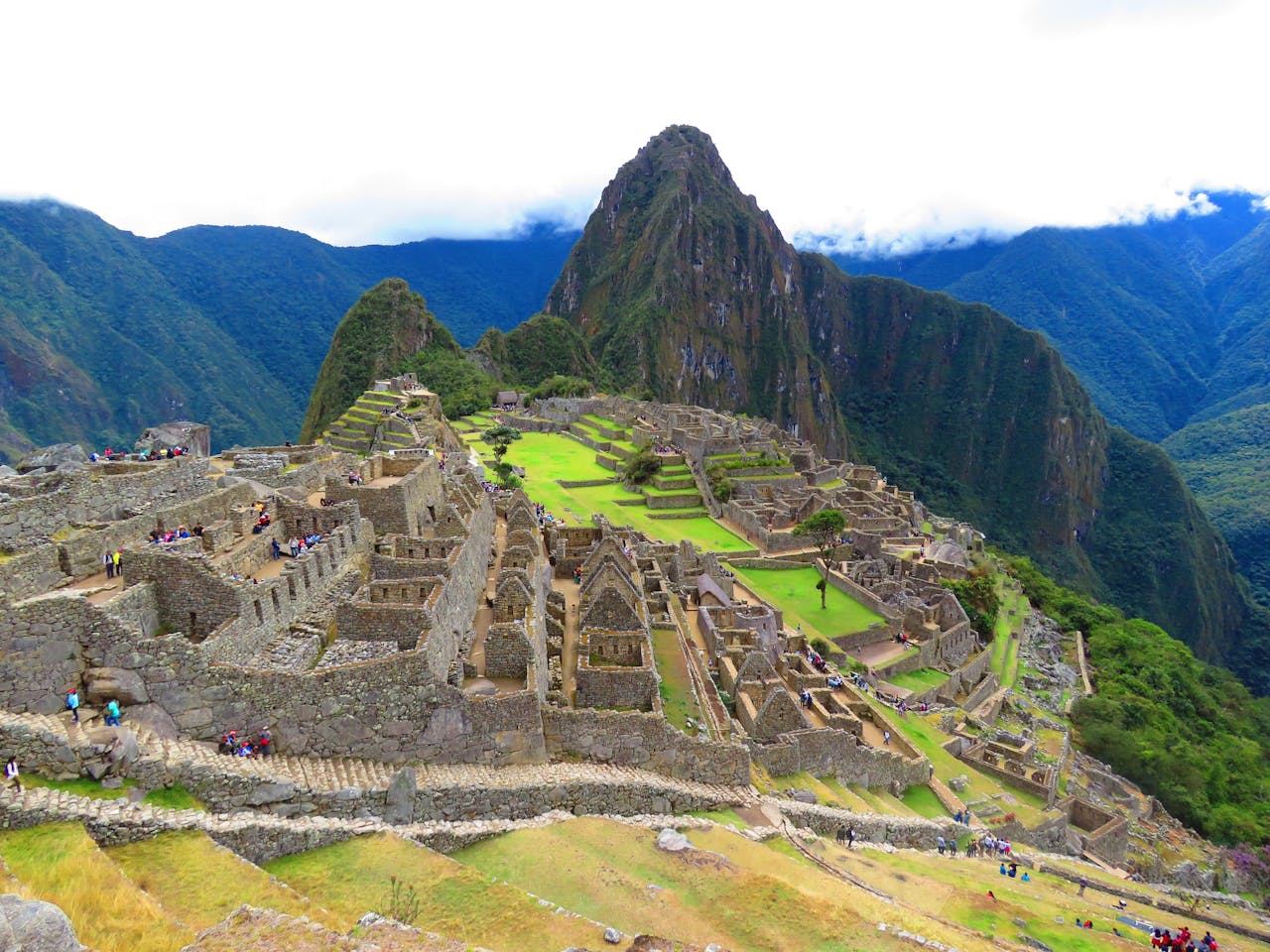
- The Trekking Trap: In Peru, unregulated agencies might offer a $15 full-day Rainbow Mountain tour or a deeply discounted multi-day trek. These “budget” operators achieve these prices by cutting life-saving corners: they carry no emergency oxygen tanks (critical at high altitudes), they severely underpay their porters, and their vehicles lack basic insurance.
How to Avoid It:
Never book a major expedition off the street. Legitimate safaris and treks have fixed, unavoidable overhead costs (like government park fees and fair wages). If a price seems unbelievably cheap, it is dangerous. Always book through verified operators well in advance.
2. The Unofficial Taxi & “Express Kidnapping” Trap
Transport hubs—including airports, bus terminals, and train stations—are magnets for chaos. When you step out of a terminal with your luggage, you become an immediate target.
- The Scam: A friendly local offers to help carry your bag to their “official” taxi. Once you are inside and driving, the meter is mysteriously broken. At best, you are extorted for a massive fare upon arriving at your hotel. At worst (a crime sometimes reported in major South American cities like Lima), the driver pulls into a quiet street where accomplices enter the car, forcing you to withdraw cash from ATMs—a terrifying ordeal known as an “express kidnapping.”
How to Avoid It:
Never hail a random taxi off the street or accept unsolicited rides at an airport.
- Pre-Book Transfers: The safest option is to have your tour operator or hotel pre-arrange your airport pickup. A driver holding a sign with your name inside the terminal is vastly safer than negotiating on the curb.
- Use Rideshare Apps: If you must get a car yourself, use global apps like Uber or Cabify (highly recommended in Peru). These apps track the GPS route, provide a digital receipt, and register the driver’s identity.
- Official Kiosks: If apps aren’t available, only use the official, prepaid taxi kiosks located inside the airport baggage claim area.
3. The Counterfeit Currency Swap
This scam is incredibly common and relies entirely on sleight of hand. It is particularly rampant in countries with heavily cash-based economies, where tourists are unfamiliar with the look and feel of the local money.
- The Scam: You hand a taxi driver or street vendor a large, genuine bill (such as a 50 or 100 Peruvian Soles note) to pay for a small item. The vendor drops the bill out of sight below the counter or seat for a split second, then pulls up a fake, counterfeit bill. They hand it back to you, looking offended, and demand a “real” bill. Flustered, you apologize, hand them another real bill, and walk away with a worthless piece of counterfeit paper.
How to Avoid It:
- Narrate Your Payment: When handing over a large bill, hold it up and clearly state the denomination out loud while looking the vendor in the eye: “Here is a 50 Soles note.” This signals that you are paying attention and makes the swap nearly impossible to pull off.
- Check the Watermarks: Take five minutes when you arrive in a new country to learn what the local currency feels like. Authentic bills have textured ink, embedded metallic threads, and clear watermarks when held up to the light.
- Carry Small Change: Break your large bills at banks, major supermarkets, or your hotel front desk so you can pay for taxis and street food with exact change.
4. Fake Booking Websites & Accommodation “Bait-and-Switch”
Digital fraud in the travel industry is skyrocketing. Scammers are building sophisticated, nearly identical copies of legitimate booking websites or creating fake listings on rental platforms.
- The Scam: You find a luxury safari lodge or an Andean mountain retreat at a massive discount online. The site looks perfect, but there is a catch: they require payment via wire transfer, cryptocurrency, or gift cards to “secure the promo rate.” You pay, fly across the world, and arrive to find the property doesn’t exist.
- The Bait-and-Switch: You book a legitimate-looking property on a platform, but on the day of arrival, the host messages you claiming there is a “plumbing emergency.” They offer to move you to a different property they own. This alternative is always vastly inferior, located in a bad neighborhood, and cheaper than what you paid.
How to Avoid It:
- Credit Cards Only: Never, under any circumstances, pay for travel services via wire transfer, Western Union, or crypto. Credit cards offer powerful fraud protection and allow you to initiate a chargeback if services are not rendered.
- Book Verified Packages: To eliminate accommodation fraud entirely, book comprehensive packages where the operator handles all lodge bookings internally.
5. The Ayahuasca & Spiritual Tourism Gamble
Unique to South America (specifically the Peruvian Amazon and the Cusco region), “spiritual tourism” has exploded in popularity, unfortunately bringing a dark underbelly of exploitation with it.
- The Scam: Tourists seeking a transformative Ayahuasca plant medicine ceremony are approached by “shamans” on the street or via cheap flyers in backpacker hostels. Because there is no official licensing board for shamans in Peru, many of these operators are simply con artists using unregulated brews to exploit tourists for cash.
- The Danger: This is not just a financial scam; it is a severe health risk. A bad reaction to Ayahuasca can be fatal, especially if it interacts with antidepressants or a heart condition. If you are in a remote jungle lodge with a fake shaman who has no medical training, an emergency quickly becomes a tragedy. Furthermore, reports of assault against vulnerable travelers under the influence have occurred in unregulated retreats.
How to Avoid It:
If you choose to participate in plant medicine ceremonies, treat it like a major medical procedure. Never book a retreat off the street. Only use highly vetted, internationally reviewed retreat centers that have licensed medical staff (nurses or doctors) on-site during the ceremonies, and conduct thorough pre-screening health checks.
6. Street Distractions and the “Spilled Drink” Routine
Pickpockets in major cities are rarely lone opportunists; they operate in highly coordinated teams using psychological distraction to break your situational awareness.
- The Spilled Drink: While walking through a crowded plaza, someone “accidentally” squirts mustard, drops bird poop, or spills a drink on your jacket. They immediately apologize profusely and start dabbing at your clothes with a napkin to help you clean up. While you are flustered and distracted by their “kindness,” their unseen accomplice cleanly empties your pockets or slashes the bottom of your daypack.
- The “Free” Bracelet: A friendly stranger approaches and quickly ties a woven bracelet around your wrist or places a sprig of rosemary in your hand before you can react. Once you have it, they aggressively demand payment, causing a loud, intimidating public scene if you refuse.
How to Avoid It:
- Keep Walking: If anything is spilled on you in public, do not stop. Say firmly, “No, thank you,” wave away any help, and keep walking until you are inside a secure location (like a bank, hotel lobby, or restaurant) before you clean yourself up.
- Hands in Pockets: When walking through heavy crowds, keep your hands in your pockets or resting firmly on your cross-body bag. Do not let anyone place anything on your body.
- The “No” Must Be Firm: In many cultures, a polite “no thanks” is viewed as an invitation to negotiate. A firm, loud “No!” while avoiding eye contact and continuing to walk is the safest response to aggressive touts.
The Master Rule: Trust Your Instincts
The most powerful tool you have to avoid travel scams is your own intuition. Scammers rely on creating a false sense of urgency (e.g., “This deal expires in ten minutes!”) or exploiting your innate desire to be polite.
Remember: you are under no obligation to be polite to a stranger who is invading your personal space or pressuring you into a financial transaction.
By familiarizing yourself with these common tactics, keeping your valuables secure, and relying on reputable, accredited tour operators for your major excursions, you effectively remove a target from your back. You can stop worrying about the people around you and start focusing entirely on the incredible landscapes, wildlife, and cultures you traveled so far to see.
If you are ready to plan a seamless, secure, and world-class adventure with a team you can trust, reach out to the experts at WeGoExplore365 today.