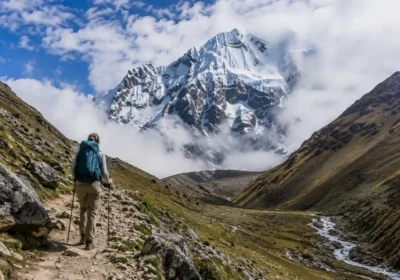
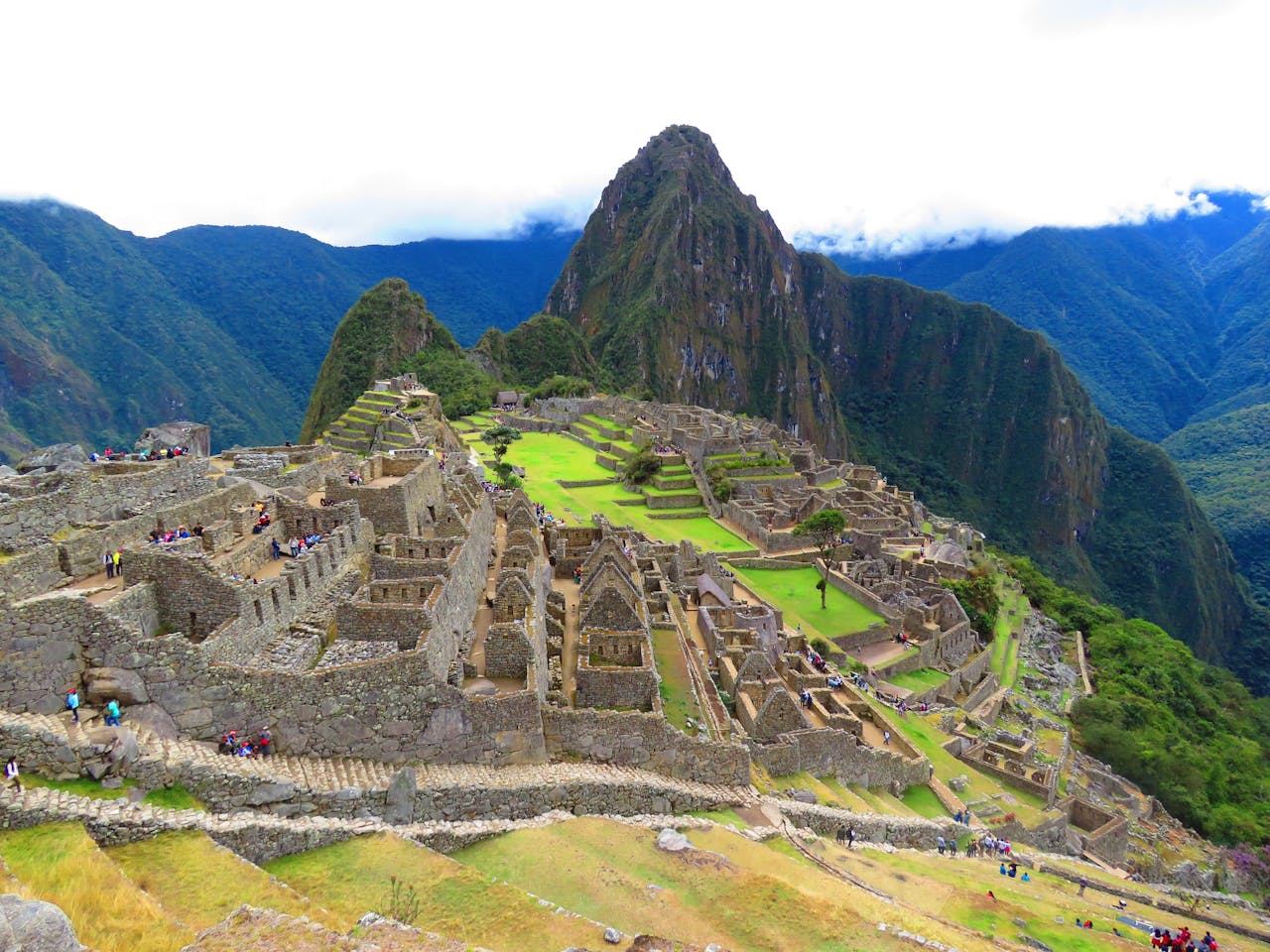
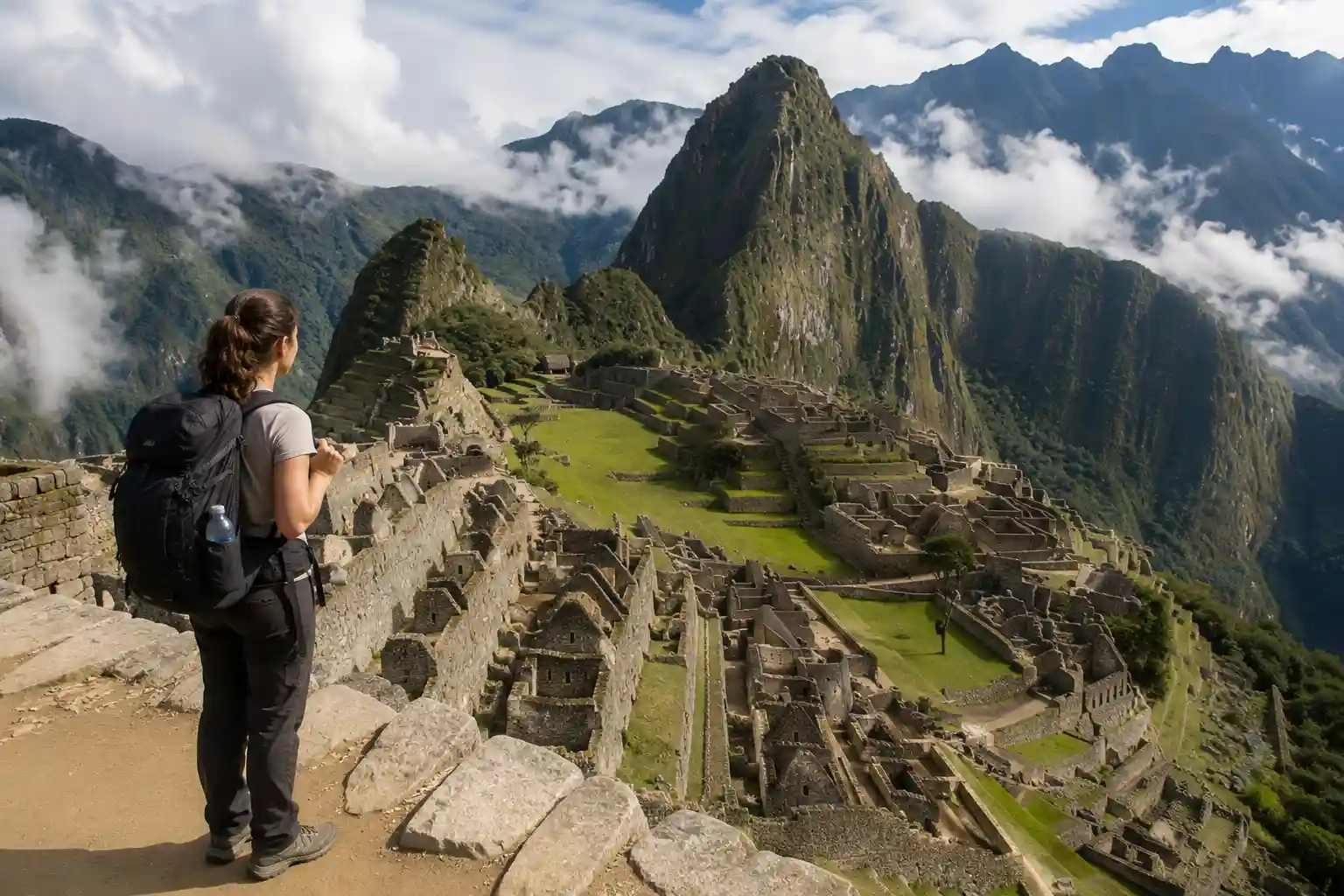
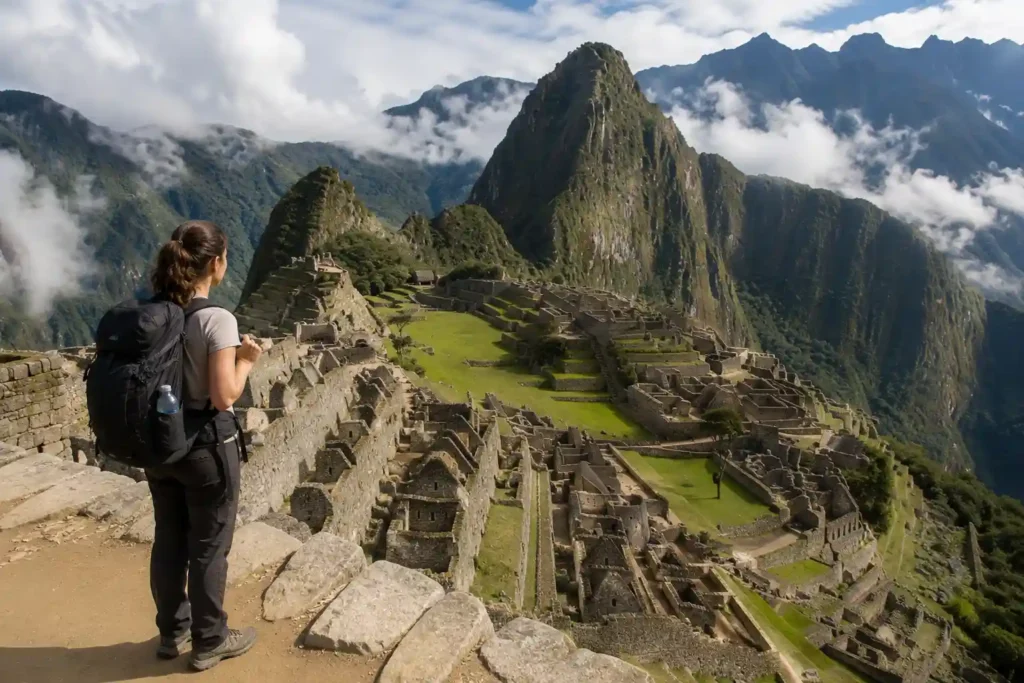
Tucked high in the Andes Mountains and surrounded by dense cloud forest, the ancient Incan citadel of Machu Picchu is one of the most spectacular sights on Earth. However, because of its unique high-altitude, subtropical location, the weather here is famously unpredictable.
If you are beginning to plan your trip, the first question to answer is: When is the best time to visit Machu Picchu?
Unlike North America or Europe, the Peruvian Andes do not experience four distinct seasons. Instead, the year is divided into two main periods: the Dry Season and the Rainy Season. Choosing between the two requires deciding what is most important to you. Do you want perfectly clear blue skies for your photographs, even if it means navigating heavy crowds? Or are you willing to risk an afternoon rain shower to experience the mystical ruins in peace, surrounded by vibrant green vegetation?
Furthermore, navigating Machu Picchu in 2026 requires understanding the newly implemented strict circuit regulations, which significantly affect how you experience the site during peak tourism months.
In this comprehensive guide, we will break down the weather patterns, outline the pros and cons of each season, provide a detailed month-by-month analysis, and share critical tips for securing your tickets in 2026.
Understanding the Two Seasons of the Andes
Because Machu Picchu is situated at an elevation of 7,970 feet (2,430 meters), the weather is generally mild year-round. Daytime temperatures usually hover between 65°F and 75°F (18°C – 24°C), while nights can drop down to 45°F (7°C). The true difference between the months is the rainfall.
The Dry Season (May to October)
This is universally considered the best time to visit Machu Picchu and the broader Cusco region.
- The Weather: You can expect consistently sunny days, clear blue skies, and very little rainfall. However, because there is no cloud cover, the early mornings and evenings can be freezing, especially in June and July.
- The Vibe: This is peak tourist season. The ruins will be crowded, lines for the shuttle buses from Aguas Calientes will be long, and tickets sell out months in advance.
- The Trekking: This is the absolute best time for hiking. The trails are dry, safe, and offer maximum visibility of the surrounding peaks.
If you are planning to hike during these peak months, you must book early. Explore our Trekking in Peru for availability.
The Rainy Season (November to April)
Often called the “Green Season,” this period brings heavy, consistent rainfall to the Andes.
- The Weather: January and February are the wettest months. It rarely rains all day without stopping; instead, you can expect heavy afternoon downpours with overcast mornings. The temperatures are actually warmer than in the dry season, but the humidity is much higher.
- The Vibe: The crowds thin out dramatically. You will have much more space to explore the ruins, and the mist rolling through the mountains gives the site a deeply mystical, ethereal atmosphere. Hotel rates in Cusco and Aguas Calientes often drop significantly.
- The Trekking: Hiking can be challenging. The classic Inca Trail is completely closed for the entire month of February for maintenance and safety due to mudslides.
The Best Time for Specific Travel Goals
There is no single “perfect” month. The ideal time depends on your specific travel style.
- Best Time for Clear Photography: June, July, and August. The skies are crisp and blue, offering unobstructed panoramic views of the citadel and Huayna Picchu mountain.
- Best Time to Avoid Crowds: January, February, and March. While you will likely get wet, you will not have to wait in line to take a photograph at the Guardian’s House.
- Best Time for Hiking: May and September. These shoulder months offer the perfect balance—the trails are mostly dry, the temperatures are comfortable, and you avoid the absolute peak crowds of mid-summer.
- Best Time for Value: November and April. These transition months offer a great compromise. You might experience a few showers, but hotel prices are lower, and securing train tickets is much easier.
Month-by-Month Guide to Machu Picchu
To help you narrow down your dates, here is exactly what to expect at the ruins month by month.
January
- Weather: High rainfall and warmer temperatures. Heavy clouds are common.
- Crowds: Very low (except for a brief spike around New Year’s Day).
- Verdict: Only for the adventurous who do not mind getting wet. Ensure you have high-quality waterproof gear.
February
- Weather: The wettest month of the year.
- Crowds: The absolute lowest of the year.
- Important Note: The classic Inca Trail is closed for the entire month of February. You can still visit Machu Picchu by taking the train, but you cannot hike the traditional 4-day route.
March
- Weather: The rains begin to taper off toward the end of the month, but trails can still be quite muddy.
- Crowds: Still relatively quiet.
- Verdict: A transition month. If you book late in March, you might get lucky with beautiful green landscapes and plenty of sunshine.
April
- Weather: Excellent. The heavy rains have stopped, leaving the mountains incredibly lush and vibrant green.
- Crowds: Moderate.
- Verdict: One of the best months of the year to visit. You get the benefits of the dry season without the massive mid-summer crowds.
May
- Weather: Very dry. Days are sunny, but nights in the Andes are freezing.
- Crowds: Extremely high. June is the month of Inti Raymi (the Incan Festival of the Sun) in Cusco, drawing massive numbers of domestic and international tourists.
- Verdict: Great weather, but you must be prepared for crowds and book everything months in advance.
July & August
- Weather: The heart of the dry season. Flawless blue skies and minimal humidity.
- Crowds: Absolute peak capacity.
- Verdict: If you are bound to summer school holidays, this is when you will travel. It is beautiful, but you must pack your patience for lines at the bus station and the entrance gates. We highly recommend booking a fully guided package to handle the logistics during these chaotic months.
September
- Weather: The dry season continues, though you might see a brief shower toward the end of the month.
- Crowds: Crowds begin to thin out slightly as the North American and European summer holidays end.
- Verdict: Another fantastic “shoulder” month. Highly recommended for a balanced experience.
October
- Weather: The transition back to the rainy season begins. You will experience a mix of sunshine and afternoon showers.
- Crowds: Moderate.
- Verdict: A great time to visit if you want to hike before the heavy rains of November wash out the trails.
November
- Weather: The rainy season officially begins.
- Crowds: Low.
- Verdict: A good time for budget travelers. Just remember to bring a high-quality rain poncho.
December
- Weather: Consistent rain, similar to January.
- Crowds: Low for the first half of the month, spiking sharply during the weeks of Christmas and New Year’s.
- Verdict: A magical place to spend the holidays, provided you are prepared for the wet weather.
Crucial 2026 Ticketing & Circuit Regulations
Regardless of which month you choose, visiting Machu Picchu in 2026 requires strict adherence to the new ticketing regulations enforced by the Peruvian Ministry of Culture.
To control crowd flow and preserve the ruins, you can no longer wander freely around Machu Picchu. The site is now divided into three distinct circuits, encompassing 10 specific routes. When you buy your ticket, you must choose your exact circuit and entry time, and you cannot deviate from that path.
- Circuit 1 (Panoramic): Best for classic postcard photos from the upper terraces. Does not take you down into the main urban ruins.
- Circuit 2 (Classic): The most popular and comprehensive route. Takes you through the main viewpoints, the agricultural sectors, and the urban center. These tickets sell out the fastest.
- Circuit 3 (Royalty): Focuses on the lower sections of the ruins and is required if you want to hike Huayna Picchu or Huchuy Picchu mountains.
High Season vs. Low Season Limits
In 2026, the government has designated specific dates as “High Season” (June 19 to November 2, plus Easter and late December). During these dates, the daily visitor capacity increases slightly to 5,600 people. During the rest of the year, capacity is capped at 4,500.
The Golden Rule: If you are visiting between May and September, you must buy your entrance tickets, train tickets, and secure your guide at least 3 to 4 months in advance. If you want to hike Huayna Picchu, book 6 months ahead.
Morning vs. Afternoon: The Best Time of Day
Once you pick your month, you must pick your entry time.
- Morning (6:00 AM – 10:00 AM): If you are visiting in the dry season, getting the first bus up to the ruins at 5:30 AM allows you to watch the sunrise break over the surrounding peaks. It is magical but extremely crowded.
- Afternoon (12:00 PM – 3:00 PM): This is the best-kept secret of Machu Picchu. By 1:00 PM, the massive tour groups and the day-trippers from Cusco have boarded the trains back to the Sacred Valley. The ruins become dramatically quieter, and the afternoon light is spectacular for photography. If you are visiting in the rainy season, afternoons are riskier for rain, but in the dry season, an afternoon ticket is highly recommended.
Conclusion: Start Planning Your Journey
There is no objectively wrong time to visit Machu Picchu. Whether you are trekking under the flawless blue skies of July or watching the mystical fog roll through the temples in February, the “Lost City of the Incas” will leave you speechless.
By understanding the seasonal weather shifts and navigating the new 2026 circuit regulations, you can ensure your Andean adventure is smooth, stress-free, and perfectly aligned with your travel goals.
Ready to start planning your itinerary? Return to our main : Trekking in Peru to explore routes, compare costs, and lock in your permits before they sell out.