When travelers start planning their dream trip to East Africa, the first question that comes to mind is almost always the same: How much does a Tanzania safari cost?
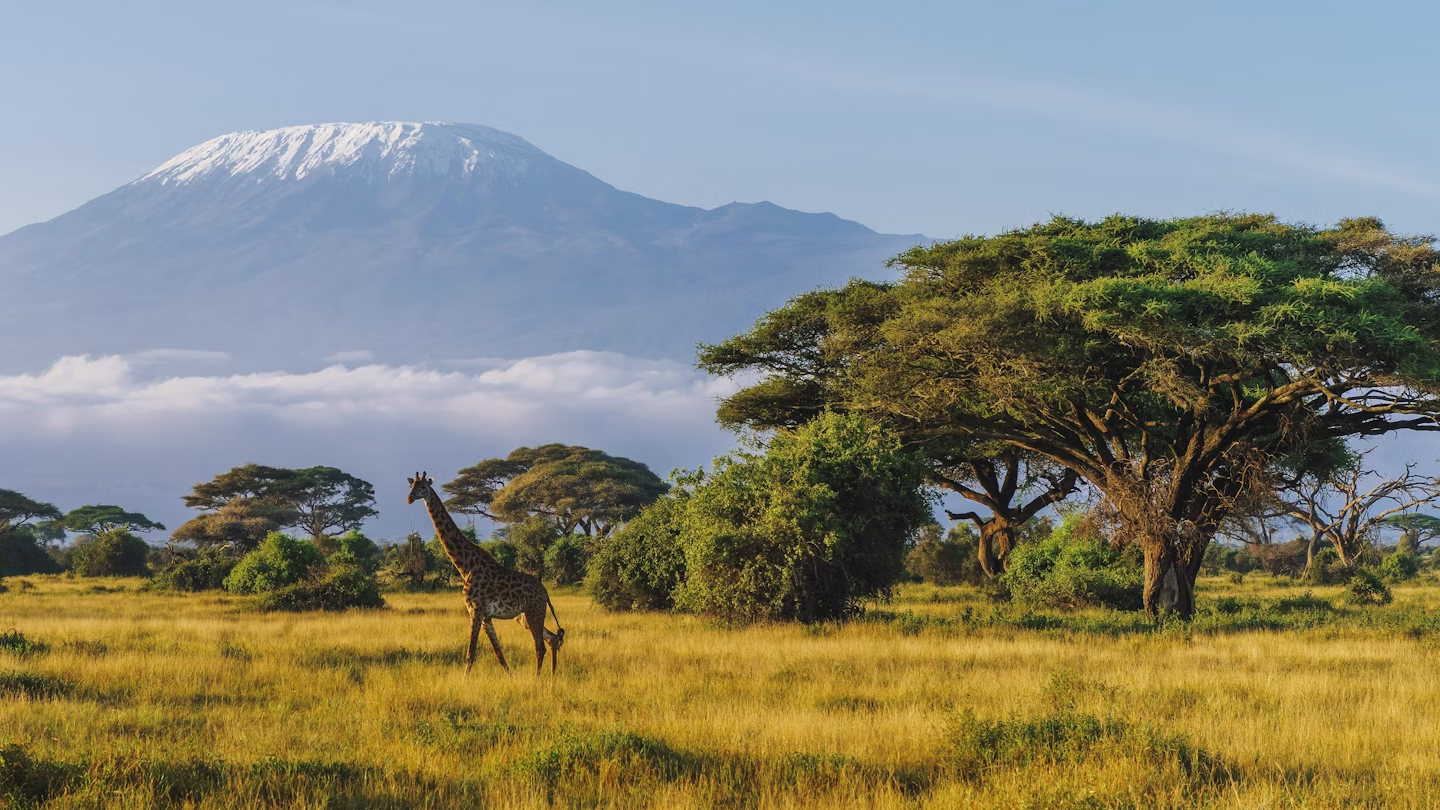
It is a completely valid question. A safari is often a once-in-a-lifetime experience, and budgeting for it requires understanding a complex web of park fees, accommodation tiers, transportation logistics, and seasonal price fluctuations. Tanzania is home to some of the most famous wildlife reserves on the planet—including the Serengeti, the Ngorongoro Crater, and Mount Kilimanjaro—and while it offers unparalleled game viewing, it is generally considered a premium travel destination.
However, the cost of a safari in Tanzania is not a single, fixed number. Whether you are a backpacker willing to pitch a tent under the stars, a mid-range traveler looking for comfortable lodges, or a luxury seeker wanting an exclusive, fly-in experience, your budget will dictate your itinerary.
In this comprehensive guide, we will break down exactly what goes into the cost of a Tanzania safari, provide realistic daily budgets, uncover hidden fees, and show you how to maximize your adventure without compromising on the experience.
The Short Answer: Average Tanzania Safari Costs
Before diving into the granular details, it helps to have a baseline understanding of what you might spend per person, per day. These estimates typically include your accommodation, meals, park entrance fees, a 4×4 safari vehicle, and a professional guide.
- Budget Safari (Camping): $200 – $350 per person, per day
- Mid-Range Safari (Standard Lodges/Tented Camps): $400 – $600 per person, per day
- Luxury Safari (High-End Lodges/Exclusive Camps): $800 – $1,500+ per person, per day
For a standard 7-day mid-range safari, you should expect to spend roughly $2,800 to $4,200 per person, excluding international flights and tips.
If you are ready to start planning your specific itinerary, check out our dedicated Safari in Tanzania to explore routes that fit your budget.
The 5 Major Factors That Determine Your Safari Cost
Understanding why a safari costs what it does makes it much easier to decide where to splurge and where to save. The total price of your trip is determined by five primary factors.
1. National Park Entrance and Concession Fees
Tanzania takes wildlife conservation seriously, and a significant portion of your safari cost goes directly toward park fees. Unlike some countries where you pay a small vehicle fee, Tanzania charges per person, per day, and the fees are substantial.
Furthermore, if you stay overnight inside a national park, you must pay an additional “concession fee” (a fee for the right to sleep in the park).
- Serengeti National Park: Roughly $82.60 per adult per 24 hours (including VAT). Concession fees for staying inside the park are an additional $70 per night.
- Ngorongoro Conservation Area: Entrance is around $82.60 per person. However, to actually descend into the Ngorongoro Crater, you must pay a vehicle crater service fee of nearly $300 per vehicle, per descent.
- Tarangire & Lake Manyara: Slightly cheaper, typically around $59 per adult per 24 hours.
The Takeaway: If you spend 5 days inside the Serengeti and Ngorongoro, you are spending hundreds of dollars on government fees alone before you even pay for a bed or food.
2. Accommodation Style
Where you lay your head at night is the biggest variable in your overall Tanzania safari cost.
- Public Campsites (Budget): You sleep in a small dome tent, use shared public bathrooms, and your safari company provides a private chef who cooks meals in a communal kitchen.
- Mid-Range Lodges and Tented Camps: This is the most popular option. Tented camps offer large, canvas tents with real beds, en-suite bathrooms, flushing toilets, and hot showers. They offer the romance of the bush with the comfort of a hotel room.
- Luxury Lodges: Think infinity pools overlooking the savanna, private butlers, spa treatments, and gourmet dining. Properties owned by brands like Four Seasons, Singita, or Asilia can easily cost over $1,000 per night.
For a curated list of our top-rated experiences across different budget levels, visit our guide to the Best Safari Tours.
3. Transportation and Vehicles
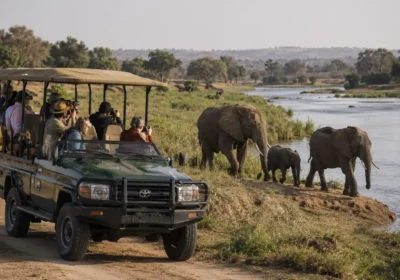
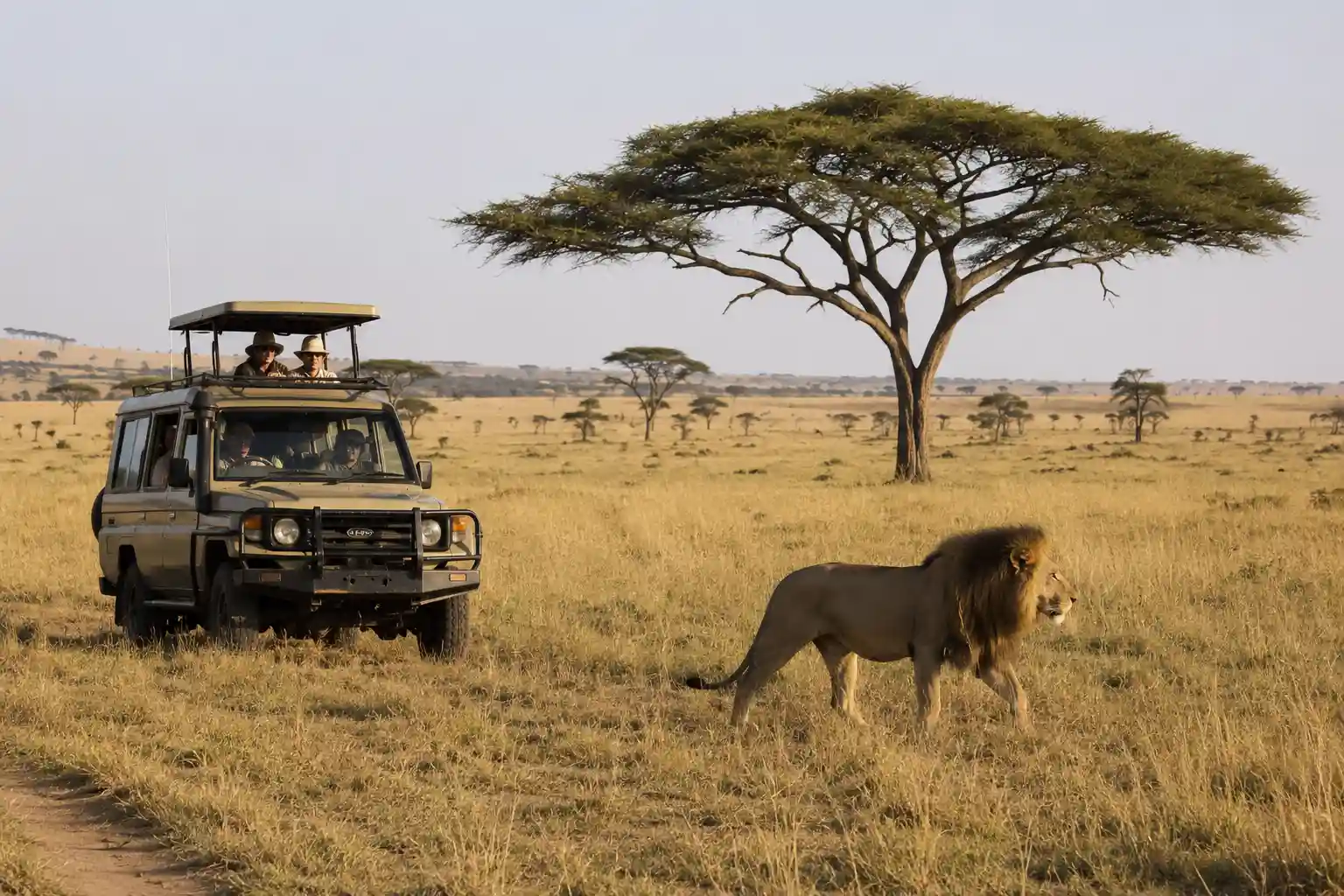
The standard vehicle for a Tanzanian safari is a closed 4×4 Toyota Land Cruiser with a pop-up roof for 360-degree game viewing.
- Private vs. Group: A private safari means you rent the entire vehicle and guide for your party. If there are only two of you, the daily cost of the vehicle (roughly $200–$300 per day including fuel and the guide) is split two ways. If you have a group of six, that same cost is split six ways, significantly lowering the per-person price.
- Driving vs. Flying: The “Northern Circuit” (Tarangire, Ngorongoro, Serengeti) requires long drives over bumpy, dusty roads. Many luxury travelers opt for “fly-in” safaris, taking small bush planes directly to Serengeti airstrips to save time. Bush flights typically cost between $250 and $450 per person, per leg.
4. Seasonality (When You Travel)
Tanzania’s pricing is heavily dictated by the seasons.
- High Season (July to October): This is the dry season and the best time to see the Great Wildebeest Migration crossing the Mara River. Prices are at their absolute peak, and lodges book out months in advance.
- Shoulder Season (January to February): A fantastic time to visit. It is calving season in the southern Serengeti (Ndutu region), meaning lots of predator action. Prices are slightly lower than the July-October peak.
- Low/Green Season (April to May): This is the long rainy season. Some remote camps close down entirely because roads become impassable. However, the camps that remain open drop their rates dramatically—sometimes by as much as 40%. If you don’t mind getting wet and want the parks to yourself, this is the most budget-friendly time to go.
5. Tour Operators and Guides
Your guide can make or break your safari. A highly trained, bilingual guide with years of experience tracking wildlife and navigating the bush commands a higher salary than a novice. Similarly, reputable tour operators—like WeGoExplore365—ensure that vehicles are meticulously maintained, staff are paid fair wages, and ethical wildlife viewing practices are strictly enforced. Beware of operators offering prices that seem “too good to be true”; this often results in broken-down vehicles, hidden fees upon arrival, or poorly paid staff.
Detailed Budget Breakdown by Travel Style
To help you visualize what your money buys, let’s look at three distinct travel styles for a standard 6-day/5-night itinerary in the Northern Circuit.
The Backpacker / Budget Safari ($1,200 – $1,800 Total)
This requires joining a group safari to split the cost of the vehicle. You will sleep in public campsites (like Seronera in the Serengeti or Simba on the crater rim). Your crew will include a driver/guide and a cook. Meals are basic but filling. This is a rugged, adventurous way to see the country, but it requires a tolerance for dust, basic shared facilities, and early mornings.
The Comfort / Mid-Range Safari ($2,500 – $3,500 Total)
This is the sweet spot for most travelers. You will likely have a private vehicle for your group. Accommodation consists of mid-range permanent lodges or beautiful mobile tented camps that follow the migration. You get a comfortable bed, a hot shower at the end of a dusty day, excellent food, and a highly personalized experience without paying ultra-luxury premiums.
Looking for a perfect mid-range itinerary? Explore our highly recommended Tanzania Tour.
The Luxury Safari ($5,000 – $10,000+ Total)
At this level, you are flying between parks to maximize your game-viewing time. You are staying in exclusive conservancies or world-renowned properties. Drinks (including premium alcohol) are usually included, as are extras like bush breakfasts, walking safaris, and laundry service. The level of service is impeccable, and the crowds are minimal.
Hidden Costs to Watch Out For
When calculating your Tanzania safari cost, do not forget to factor in these essential pre-trip and on-the-ground expenses that are rarely included in standard tour quotes:
- International Flights: Flights to Kilimanjaro International Airport (JRO) or Julius Nyerere International Airport (DAR) can range from $800 to $2,000+ depending on your origin and time of booking.
- Tanzania Tourist Visa: Most nationalities, including US, UK, and EU citizens, require a tourist visa. This typically costs $50 ($100 for US citizens) and can be obtained online in advance.
- Vaccinations and Medications: You may need Yellow Fever vaccines, Typhoid shots, and Malaria prophylaxis depending on your home country’s regulations and your doctor’s advice.
- Tipping: Tipping is an ingrained part of the safari culture. A standard guideline is $15–$20 per day, per person for your driver/guide, and $10–$15 per day, per person for camp/lodge staff. For a 7-day trip, budget an extra $150–$250 in cash for tips.
- Travel Insurance: Comprehensive travel insurance that covers emergency medical evacuation is mandatory for most reputable safari operators. Expect to pay $100–$200 for a solid policy.
5 Ways to Save Money on Your Tanzania Safari
If the numbers above are stretching your budget, do not panic. There are strategic ways to reduce your Tanzania safari cost without sacrificing the quality of your wildlife viewing.
1. Travel in the Shoulder or Green Season
As mentioned earlier, traveling in April, May, or November can result in massive savings on accommodation. While the rain might alter your plans slightly, the landscapes are lush and green, the dust is gone, and the parks are wonderfully quiet.
2. Form a Group
Safari vehicle costs are fixed per day, regardless of whether there is one person or six people inside. If you are a couple, consider finding another couple to share the vehicle with. Dropping from a 2-pax to a 4-pax private safari can save each person hundreds of dollars over a week-long trip.
3. Mix and Match Your Accommodation
You do not have to sleep in luxury every night. A popular money-saving strategy is to stay in budget-friendly lodges outside the park gates for the first and last nights of your trip (like in Arusha or Karatu), and splurge on nicer tented camps for the nights you are deep inside the Serengeti.
4. Skip the Minor Parks
If budget is tight, focus your money where it counts. Instead of paying entrance fees for Tarangire, Lake Manyara, Ngorongoro, and the Serengeti, cut out one or two of the smaller parks. Spend more quality, un-rushed time in the Serengeti to maximize your chances of seeing major wildlife events rather than burning fuel and paying fees to rush through every park on the map.
5. Book with a Local, Reputable Operator
Booking directly with an operator based in East Africa rather than a massive international travel agency cuts out the middleman. Agencies based in the US or Europe often mark up local prices by 20% to 30% to cover their own overhead.
Conclusion: Is a Tanzania Safari Worth the Cost?
While a Tanzania safari requires a significant financial investment, the value of the experience is unmatched. From witnessing millions of wildebeest thundering across the plains to watching a pride of lions hunt at dusk, the memories forged in the African bush are priceless. By understanding the breakdown of park fees, accommodation levels, and seasonal pricing, you can craft an itinerary that perfectly balances your dream experience with your budget.
Ready to start planning? At WeGoExplore365, we specialize in building custom, unforgettable adventures. Check out our main Safari in Tanzania to browse our itineraries, or reach out to our team to start building your customized African adventure today.