For many adventure travelers, the ultimate dream itinerary combines two completely different worlds:
The thrill of a wildlife safari and the challenge of a high-altitude trek.
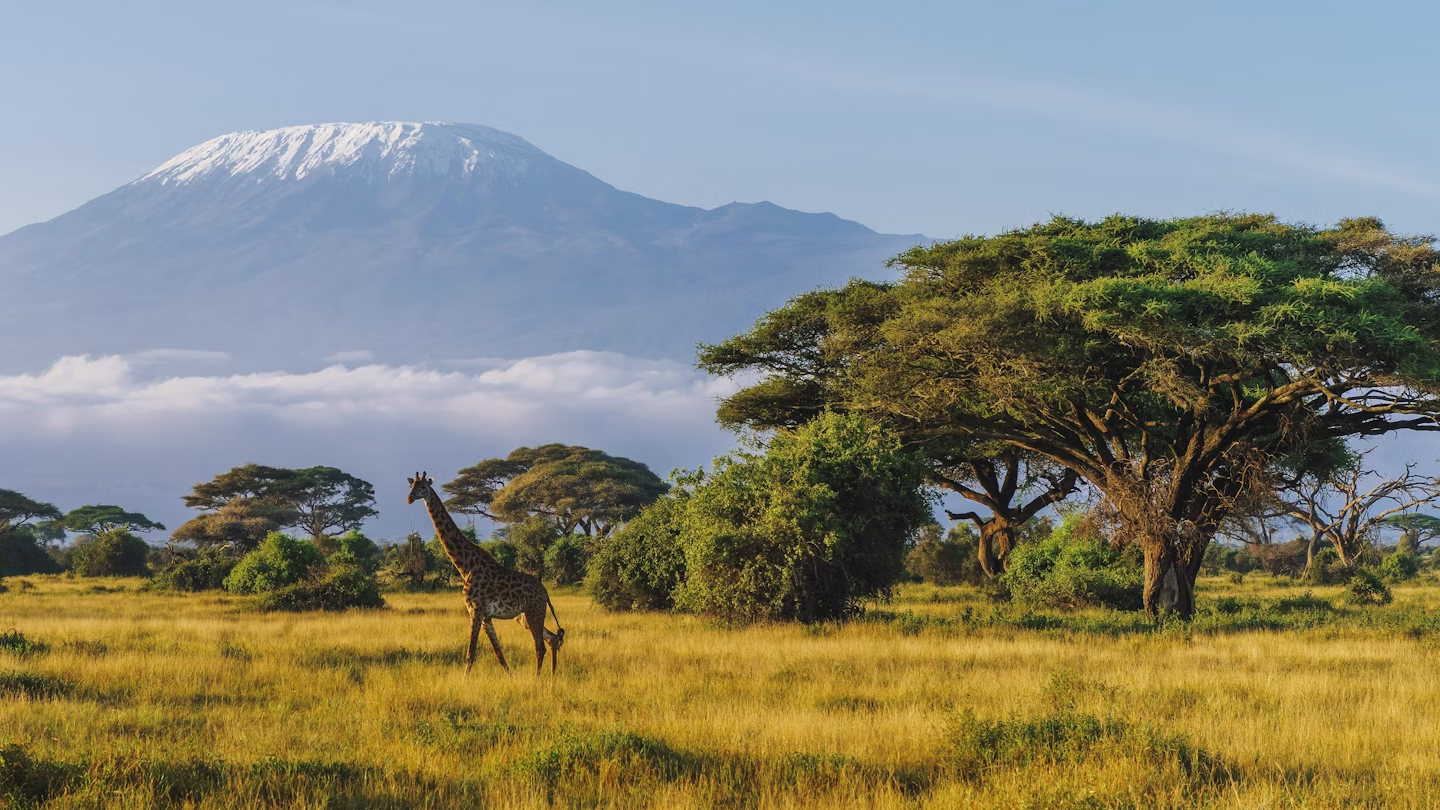
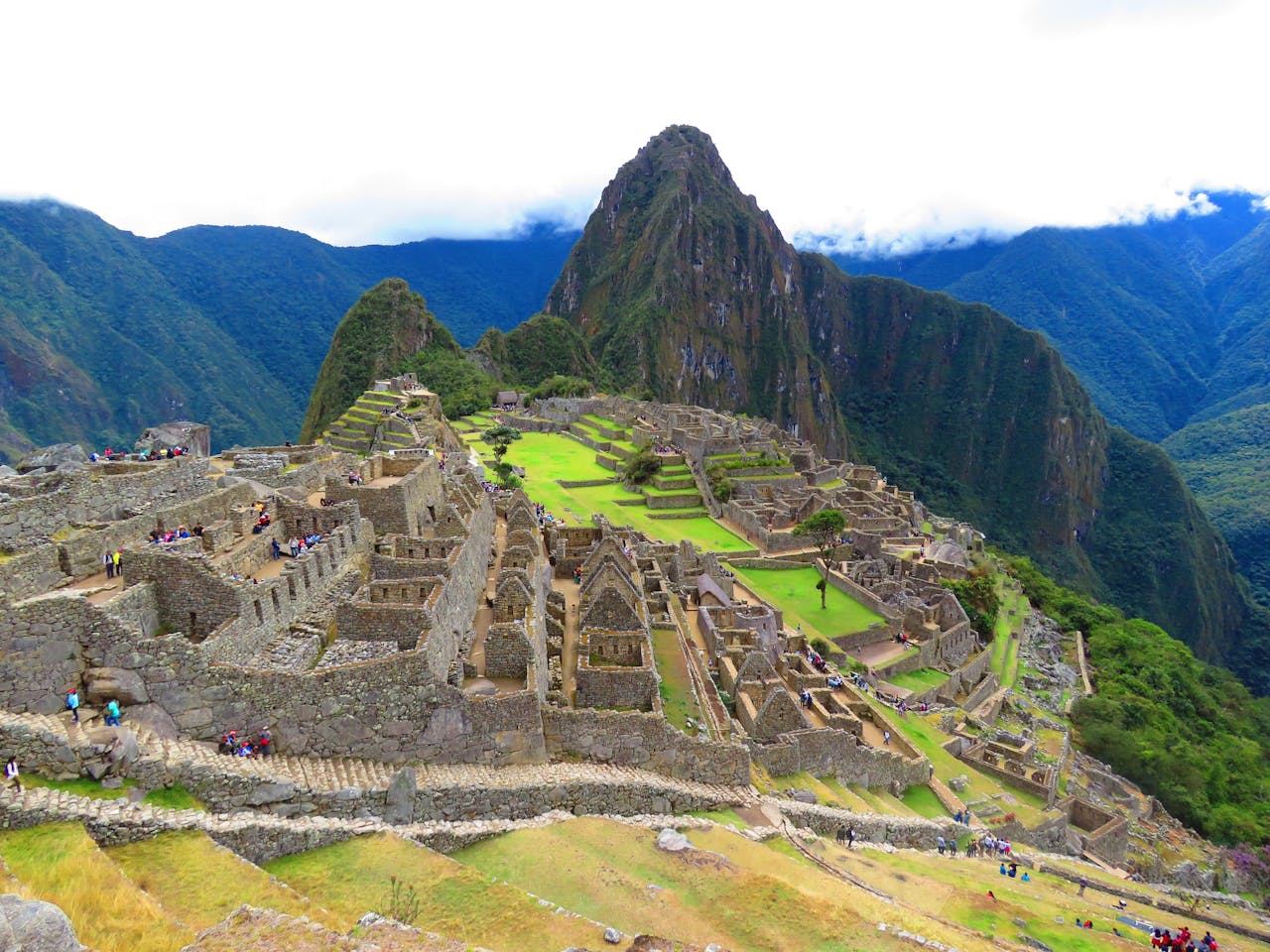
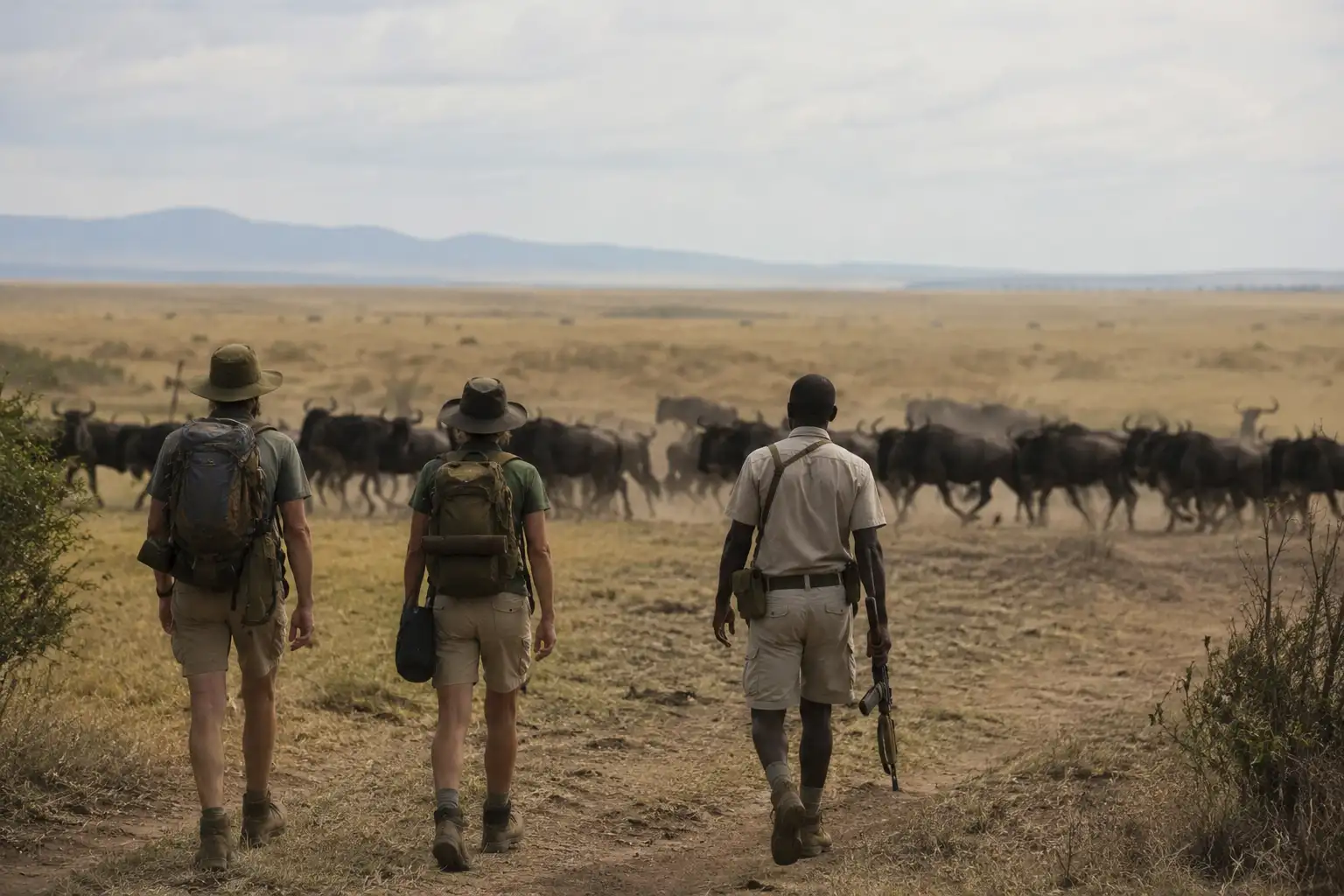
Imagine watching lions stalk across the Serengeti at sunrise, then standing days later on the snowy summit of Mount Kilimanjaro. Or pairing gorilla trekking in Uganda with a hiking expedition through the mountains of Peru. These multi-country adventures combine raw wilderness, physical challenge, and cultural immersion into a single unforgettable experience.
But while these trips create incredible memories, they also introduce unique financial and logistical complications that many travelers underestimate.
Safaris and trekking expeditions operate very differently.
They require:
- Different budgeting strategies
- Different gear systems
- Different physical preparation
- Different transportation logistics
- Different accommodation expectations
Trying to “wing it” often leads to major problems such as:
- Overspending
- Packing mistakes
- Travel exhaustion
- Poor scheduling
- Logistical breakdowns
- Burnout before the trip even finishes
In this 2026 guide, we break down exactly how to budget, organize, and execute a successful safari-and-trekking combination adventure without destroying your finances or your energy levels.
Why Safari and Trekking Costs Are So Different
One of the biggest mistakes travelers make is assuming safari travel and trekking travel follow the same pricing structure.
They do not.
Although both fall under “adventure travel,” the way money is spent is completely different.
Safari experiences are typically:
- Vehicle-heavy
- Permit-heavy
- Accommodation-heavy
Meanwhile, trekking expeditions are usually:
- Labor-heavy
- Gear-heavy
- Physically demanding
Understanding this distinction helps you plan more accurately.
The Core Budget Difference
Safari budgets are usually driven by daily operational costs.
Trekking budgets are usually driven by fixed expedition costs.
This difference changes how travelers should allocate their money.
Safari Costs: Daily Expense Model
Every additional safari day increases costs significantly because you continue paying for:
- National park fees
- Vehicle fuel
- Guide/driver wages
- Lodge accommodations
- Conservation taxes
Safari pricing compounds daily.
Luxury African parks can charge hundreds of dollars per day in entry fees alone.
Trekking Costs: Fixed Expedition Model
Trekking costs are more front-loaded.
Once you pay for:
- Permits
- Porters
- Guides
- Camp logistics
the daily operating cost stabilizes.
Whether your trek lasts five days or seven days, the overall pricing structure often changes less dramatically compared to safari travel.
This is why adding extra safari days usually increases budgets faster than adding trekking days.
Sample Budget Comparison (2026 Estimates)
Here is how safari and trekking expenses generally compare:
Safari Budget Drivers
- National park permits
- 4×4 vehicle rentals
- Fuel costs
- Luxury lodges
- Private guides
- Domestic bush flights
Trekking Budget Drivers
- Mountain permits
- Porter wages
- Guide wages
- Technical clothing
- Sleeping systems
- Trekking equipment
Understanding these categories helps travelers avoid underestimating real costs.
For additional planning context, check our:
Safari cost Tanzania
and
Peru Trekking Cost
Typical Multi-Country Adventure Budget Breakdown
For a 10–14 day combined adventure, many travelers spend approximately:
Budget Range
Budget Traveler
$3,500 – $6,000
Shared safaris, budget trekking operators, simple lodges.
Mid-Range Traveler
$6,000 – $10,000
Private safaris, quality trekking operators, comfortable accommodations.
Luxury Traveler
$10,000 – $25,000+
Fly-in safaris, luxury lodges, premium trekking services.
International airfare is often separate.
Why You Should Trek First and Safari Second
This is one of the most important strategic decisions in planning your itinerary.
Most experienced adventure travelers recommend:
Trek first. Safari second.
Why Trekking First Works Better
Trekking is physically exhausting.
Even well-trained hikers often finish mountain expeditions with:
- Sore legs
- Fatigue
- Sleep deprivation
- Minor injuries
- Physical burnout
After summiting a mountain like Kilimanjaro or completing a multi-day hike in Peru, most travelers crave:
- Comfortable beds
- Hot showers
- Good meals
- Relaxation
A safari naturally provides this recovery environment.
Game drives are relatively low-effort physically.
You spend much of the day:
- Sitting in vehicles
- Watching wildlife
- Relaxing at lodges
- Recovering physically
This creates a much smoother energy progression throughout the trip.
Why Safari First Can Backfire
If you schedule the safari first, many travelers experience mental tension during the relaxing phase because they know the difficult trekking challenge still lies ahead.
Instead of fully enjoying the safari, they begin worrying about:
- Altitude
- Physical preparation
- Upcoming exhaustion
- Gear concerns
Starting with the trek removes that psychological burden.
Managing Energy and Burnout
Adventure travelers often underestimate how exhausting multi-country trips become.
Even when activities seem exciting, constant movement creates cumulative fatigue.
You may face:
- Long flights
- Altitude changes
- Climate shifts
- Poor sleep
- Jet lag
- Vehicle transfers
- Physical exertion
Without careful pacing, travelers often become exhausted halfway through the itinerary.
Build Recovery Time Into the Schedule
Avoid planning nonstop activities every day.
Include:
- Buffer days
- Rest afternoons
- Flexible transitions
- Light sightseeing days
Recovery improves the overall experience dramatically.
Hidden Costs That Destroy Budgets
The biggest financial surprises in multi-country adventures usually come from logistics rather than the headline activities themselves.
Internal Flights
Bush flights and regional connections are often shockingly expensive.
For example:
Flying between:
- Arusha
- Serengeti
- Zanzibar
- Nairobi
- Kilimanjaro
can easily become one of the most expensive portions of the trip.
Many travelers only budget for international airfare and forget about regional transportation.
Excess Baggage Fees
Trekkers often carry:
- Heavy jackets
- Sleeping bags
- Hiking boots
- Trekking poles
Meanwhile safari travel usually requires lightweight luggage restrictions on bush aircraft.
Overweight luggage fees become extremely common.
Visa Fees
Multiple-country itineraries may require:
- Transit visas
- Tourist visas
- Border fees
Always verify requirements in advance.
Travel Insurance
Adventure travel insurance costs more than standard tourism insurance because it must cover:
- High-altitude trekking
- Emergency evacuation
- Wilderness rescue
- Adventure sports
Never skip this expense.
Why Soft-Sided Duffel Bags Are Essential
Many safari flights use small bush aircraft with strict baggage limitations.
Hard-shell suitcases often become problematic.
Soft-sided duffel bags are strongly recommended because they:
- Fit into small cargo holds
- Weigh less
- Compress easily
- Handle rough transportation better
Many operators specifically require soft bags.
The Dual-Purpose Packing Strategy
One of the smartest ways to reduce luggage is to create a wardrobe that works for both trekking and safari environments.
Use Neutral-Colored Trekking Gear
Colors like:
- Olive
- Khaki
- Brown
- Grey
work perfectly for safari environments while also functioning well during trekking.
This eliminates the need for duplicate outfits.
Avoid Bright Colors on Safari
Bright colors can distract wildlife and attract insects.
Neutral outdoor clothing is ideal.
The Most Important Comfort Item
After long trekking days, few things feel better than removing heavy hiking boots.
Pack lightweight lodge shoes such as:
- Sandals
- Slip-ons
- Camp shoes
Your feet will thank you.
For additional preparation advice, see our:
Ultimate trekking packing list
Gear Storage: The Overlooked Logistics Problem
Trekking and safari gear needs differ dramatically.
You likely will not need:
- Heavy down jackets
- Trekking poles
- Mountain boots
while riding through the savanna in a safari vehicle.
Fortunately, many reputable operators offer:
- Free gear storage
- Secure office lockers
- Hotel storage arrangements
Always confirm storage policies before booking.
Booking Through One Operator vs Multiple Operators
Many travelers attempt to save money by booking every component separately.
Sometimes this works.
However, multi-country adventure logistics become far more complicated when multiple companies are involved.
Advantages of Using One Operator
A single operator can coordinate:
- Airport pickups
- Internal transfers
- Hotel logistics
- Gear storage
- Delayed flights
- Schedule adjustments
Most importantly:
They take responsibility if something goes wrong.
Combo Discounts
Many operators offer discounted pricing when bundling:
- Trekking
- Safari
- Accommodation
- Transfers
This often reduces overall trip costs.
The Risks of Separate Bookings
If your trek finishes late or flights are delayed, separate companies may refuse responsibility for missed connections.
You become the logistics manager.
That can become extremely stressful in foreign countries.
Choosing Between Budget, Mid-Range, and Luxury Travel
Your comfort expectations dramatically affect pricing.
Budget Adventures
Usually include:
- Shared safari vehicles
- Basic trekking camps
- Hostels or budget lodges
- Public transportation
These trips can still be incredible but require flexibility and tolerance for discomfort.
Mid-Range Adventures
Offer the best balance for many travelers.
Typically include:
- Smaller safari groups
- Better lodges
- Higher-quality trekking crews
- More reliable transportation
Luxury Adventures
Luxury safari-and-trek itineraries may include:
- Fly-in safaris
- Private guides
- Boutique lodges
- Helicopter transfers
- Premium camps
- Gourmet meals
These experiences are extraordinary but extremely expensive.
Physical Preparation Matters More Than Most Travelers Expect
Safari travel is relatively passive physically.
Trekking is not.
Combining them requires realistic fitness preparation.
Prepare with:
- Hiking
- Stair climbing
- Cardio training
- Weighted pack walks
- Mobility work
Good fitness improves:
- Recovery
- Altitude adaptation
- Energy levels
- Overall enjoyment
The Importance of Mental Flexibility
Adventure travel rarely unfolds perfectly.
Weather changes.
Flights get delayed.
Animals do not appear on schedule.
Mountain conditions shift.
The best travelers remain flexible and adaptable.
Trying to control every detail often creates unnecessary stress.
How to Prioritize Your Budget
If your budget is limited, prioritize spending money on:
1. Quality Guides
Great guides dramatically improve both safety and experience quality.
2. Smart Logistics
Reliable transportation and coordination reduce stress significantly.
3. Recovery and Comfort After Trekking
Good sleep and nutrition matter enormously after physically demanding expeditions.
You can often save money on luxury extras without hurting the overall experience.
Common Mistakes Travelers Make
Overpacking
Heavy luggage quickly becomes exhausting during multi-country travel.
Underestimating Recovery Needs
Adventure burnout is real.
Booking Flights Too Tightly
Leave buffer time between major itinerary segments.
Ignoring Altitude Preparation
Altitude sickness can derail entire trekking plans.
Choosing Price Over Quality
Cheap operators sometimes create serious logistical or safety problems.
Conclusion: Balance Is the Key to the Perfect Adventure
Combining a safari and trekking expedition creates one of the most rewarding adventure travel experiences possible.
One experience tests your physical endurance.
The other immerses you in the beauty of the natural world.
Together, they create a journey filled with contrast, challenge, and unforgettable memories.
But these trips require careful planning.
By understanding the different cost structures, prioritizing the trek before the safari, minimizing logistical complexity, and packing efficiently, travelers can avoid unnecessary stress while maximizing the overall experience.
The key is balance:
- Balance your energy
- Balance your budget
- Balance comfort with adventure
- Balance ambition with recovery
When planned correctly, a multi-country safari-and-trekking adventure becomes far more than just a vacation.
It becomes a life-defining experience.